
Table of Contents:
Best Route Order: Rovinj to Dubrovnik
The most balanced Croatia travel route runs from Rovinj to Dubrovnik. It moves through three very different landscapes: the green Istrian peninsula, the karst mountains and lakes inland, and the bright Dalmatian coast. This order creates a steady change of pace, from food and old towns to waterfalls, island days, and grand seaside history.
Begin in Rovinj, where two days are enough to explore the compact old town and nearby Istrian countryside. Continue east and inland to the Plitvice Lakes National Park. After coastal walks and restaurants, its wooden paths, turquoise lakes, and forest waterfalls provide a completely different experience. Plan two days so the park does not become a rushed photo stop.
From Plitvice, travel south toward Split. The city works well as the route’s central anchor. Its historic core is built around the Palace of the Roman Emperor Diocletian, while the waterfront and surrounding islands add a strong coastal feel. One full day covers the main sights, but an extra night gives you room for a slower evening or a boat trip.
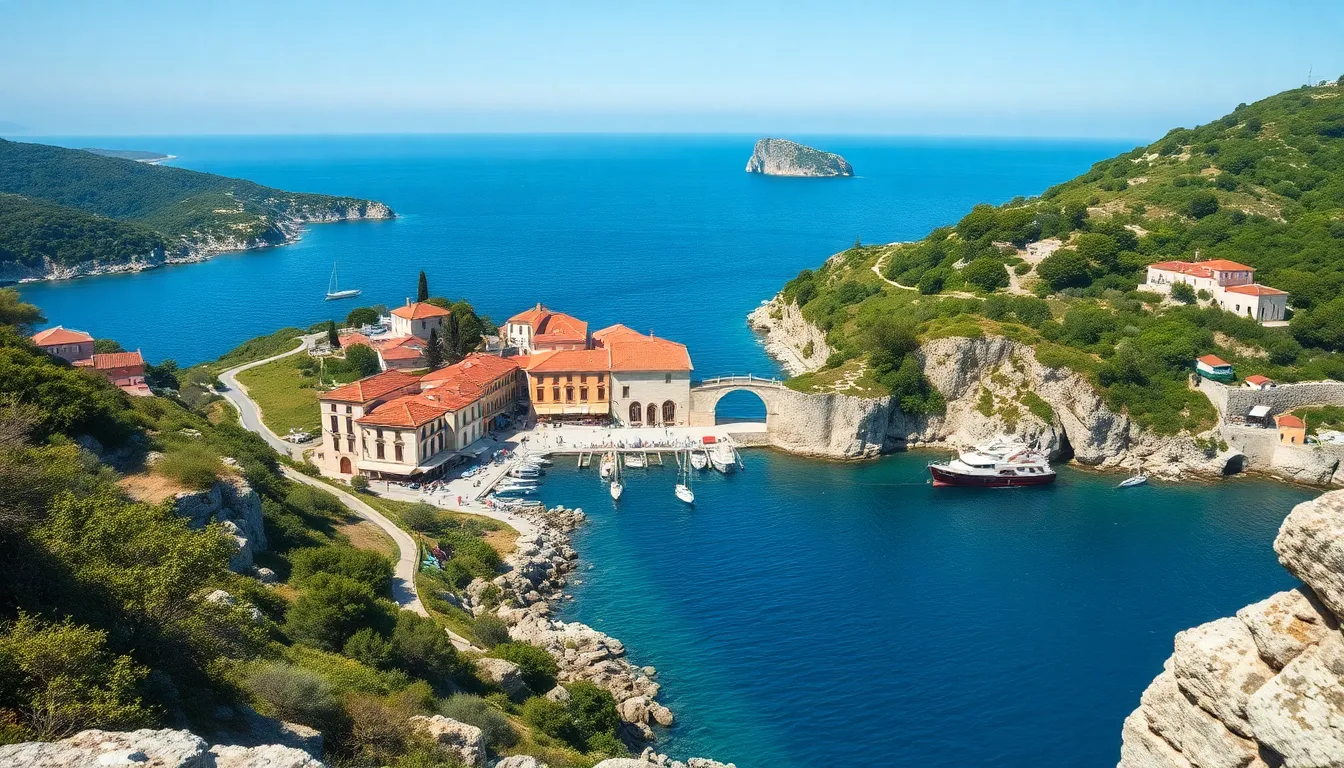
Next, cross to Korčula for several days of swimming, quiet coves, and small coastal settlements. It is a good middle point between busy mainland cities and the deep-south atmosphere of Dubrovnik. Travelers who prefer livelier nightlife can choose Hvar instead. Those who want less bustle should stay with Korčula; it feels a little more unhurried.
Finish in Dubrovnik with two or three days. Save time for the old town, the city walls, and viewpoints above the harbor. Ending here gives the journey a strong final chapter, rather than leaving the most famous historic city somewhere in the middle. A one-way trip also avoids turning the last days into a long return drive.
- Rovinj: two days for Istrian streets, coastal views, and local food
- Plitvice Lakes: two days for lakes, forest trails, and waterfalls
- Split: one to two days for Roman history and the central Dalmatian coast
- Korčula or Hvar: about three days for beaches and island life
- Dubrovnik: two to three days for its walls, old town, and sea views
Allow at least two weeks for the full route. With only seven days, remove Istria and Plitvice and focus on Split, one island, and Dubrovnik. That shorter version sacrifices variety, but it keeps the trip enjoyable instead of turning every morning into a checkout race.
Rovinj and the Istrian Coast
Rovinj is the ideal first stop for travelers who want Croatia to begin with charm rather than speed. The old town sits on a small peninsula, with narrow lanes rising toward the Church of St. Euphemia. Along the waterfront, fishing boats, cafés, and open sea views create an easy first day.
Spend time beyond the postcard center. The Golden Cape Forest Park starts just south of town and offers shaded paths, rocky swimming spots, and quiet cycling routes. Early morning is best for walking, while late afternoon brings softer light over the Adriatic. Rovinj’s coast is more about smooth rocks and clear water than long sandy beaches, so water shoes are useful.
Istria also gives the route its strongest food identity. Look for fuži pasta with truffles, wild asparagus in spring, local olive oil, and seafood from the northern Adriatic. The hill towns inland add another layer. Motovun is the classic detour, with vineyards, forested valleys, and broad views across the Mirna Valley. Grožnjan offers a smaller, art-focused stop and works well when you prefer quiet lanes over busy viewpoints.
Plan the Istrian section around short excursions, not a packed checklist. A practical two-day pattern looks like this:
- Day one: Explore Rovinj’s old town, walk along the harbor, and swim near the Golden Cape.
- Day two: Visit Motovun or Grožnjan, then return to the coast for an Istrian dinner.
Before leaving, fill the car and check the next accommodation details. Rural roads can be narrow, and inland villages often have limited late-day services. This small bit of planning keeps the journey smooth as the landscape changes from coastal towns to the wooded interior.
Recommended Stops and Travel Times on a Croatia Route
| Destination | Recommended Stay | Main Highlights | Best For | Route Role |
|---|---|---|---|---|
| Rovinj | 2 days | Old town, Golden Cape Forest Park, Istrian cuisine, Motovun | Food, coastal scenery, charming historic towns | Relaxed starting point in northern Croatia |
| Plitvice Lakes | 2 days | Turquoise lakes, wooden walkways, forests, waterfalls | Nature, hiking, photography | Inland contrast between Istria and Dalmatia |
| Split | 1–2 days | Diocletian’s Palace, Riva promenade, Marjan Hill, Trogir | Roman history, urban culture, coastal excursions | Central base for the Dalmatian coast |
| Korčula | 3 days | Medieval town, vineyards, coves, swimming spots | Quiet island life, wine, beaches | Relaxed island stop before Dubrovnik |
| Hvar | 3 days | Fortress views, nightlife, restaurants, Pakleni Islands | Nightlife, boating, lively coastal atmosphere | Busier alternative to Korčula |
| Dubrovnik | 2–3 days | Old Town, city walls, Fort Lovrijenac, harbor views | History, architecture, panoramic scenery | Grand final destination in southern Croatia |
Plitvice Lakes: Croatia’s Waterfall Wonderland
Plitvice Lakes National Park is the inland highlight of a Croatia travel route. Its sixteen connected lakes form a chain of emerald pools, small cascades, and tall waterfalls shaped by natural limestone barriers. The water can look blue, green, or almost silver, depending on the light and mineral content. No two viewpoints feel quite the same.
Plan your visit around the park’s walking trails. Wooden footbridges cross shallow sections of the lakes, while forest paths lead to wider panoramas and quieter corners. The lower lakes are often the most dramatic, especially near the Great Waterfall. The upper lakes feel wilder, with dense woodland and a softer, more secluded mood.
A full day is possible, but two days create a better experience. You can walk without racing the clock, choose a longer trail, and return to the water at a different time of day. Start early, particularly between June and August. The first hours are cooler and usually calmer, which makes the narrow boardwalks easier to enjoy.
- Wear shoes with firm grip; wet timber and uneven ground can be slippery.
- Bring water and a small snack, as services inside the park are limited on some trails.
- Stay on marked paths and never swim in the lakes.
- Check the official Plitvice Lakes National Park website for current entrance rules, trail access, and opening times.
Choose a park entrance that matches your route and accommodation. Entrance 1 gives quick access to the lower lakes and the Great Waterfall. Entrance 2 is useful for routes through the upper lakes and for visitors staying near the central park area. Travel times between the two entrances are short on a map, yet queues and walking distances can add up, so decide before arrival.
Plitvice is not a quick roadside break. Treat it as a landscape day, leave the timetable loose, and let the sound of falling water shape the pause between coastal stops.
Split and the Dalmatian Coast
Split is the cultural hinge of the route, where Roman history meets the lively rhythm of the Adriatic. Its old center grew inside and around Diocletian’s Palace, built in the early fourth century. Rather than standing apart as a single monument, the palace forms the city’s living core: homes, cafés, shops, courtyards, and stone alleys occupy its former rooms.
Start near the Peristyle, the palace’s grand central square, then explore the underground cellars, the Cathedral of Saint Domnius, and the narrow lanes of the old quarter. Climb the bell tower only if conditions are comfortable; the steps are tight, but the harbor view is worth the effort. Later, walk along the Riva, Split’s seafront promenade, when the heat begins to fade.
For a different view of the city, follow the paths through Marjan Hill. The wooded peninsula rises west of the center and offers shaded walks, small chapels, rocky swimming areas, and broad views toward the nearby islands. It is a useful escape from busy streets, especially during the middle of the day.
Split also works as a base for short coastal detours. Trogir, a compact UNESCO-listed town west of the city, is easy to pair with a half-day outing. Its medieval lanes, waterfront, and stone buildings provide a quieter contrast to Split’s urban energy. To the south, the beaches and pine-backed coves around Omiš add a more active option, with river scenery and opportunities for kayaking or rafting on the Cetina.
- Morning: explore Diocletian’s Palace before the busiest hours.
- Afternoon: walk or swim around Marjan Hill.
- Evening: dine in the old center or along the Riva.
- Extra day: choose Trogir for history or Omiš for outdoor activities.
One night is enough for the essential sights, but two nights make Split far less hurried. Keep the city walk flexible: summer stone reflects heat strongly, and a long lunch can be a very sensible part of the itinerary.
For travelers using buses, Split is one of the easiest places on the route to navigate. The main bus terminal sits close to the ferry port and the historic center, making onward travel to coastal towns and island connections relatively simple. Check departure times shortly before travel, since seasonal schedules can change.
Korčula, Hvar, and Island Hopping
Korčula is the best island choice for travelers who want a calm mix of stone villages, clear water, and local character. Its main town has a compact medieval center, while the wider island is known for vineyards, pine-covered bays, and small fishing communities. Stay for three nights to enjoy the island without turning every swim into a timetable problem.
Explore Korčula Town early in the day, when the narrow lanes are cool and quiet. The old streets were laid out in a herringbone pattern, which helped air move through the town and reduced exposure to strong coastal winds. Later, travel west toward Vela Luka or stop at one of the island’s sheltered coves. Local white wine made from the Pošip grape is a natural match for grilled fish and shellfish.
Hvar offers a different mood. Its harbor town has polished restaurants, late-night bars, and a busy social scene, while the island interior feels far more rural. Walk up to the fortress above Hvar Town for a wide view over the Pakleni Islands, then take a water taxi to a quieter swimming spot. Hvar suits travelers who want more nightlife and day-trip energy; Korčula suits those who prefer a slower rhythm.
Island hopping sounds simple, but ferry planning needs care. Car ferries and passenger-only catamarans use different ports and schedules. A rental car may not be useful on every island, especially when parking is scarce in historic centers. For a smoother route, keep the vehicle on the mainland when possible and use passenger ferries between islands.
- Choose Korčula for wine, old-town atmosphere, coves, and a relaxed pace.
- Choose Hvar for nightlife, stylish dining, viewpoints, and easier access from Split.
- Add Brač for the famous Zlatni Rat beach and a short island break.
- Add Vis for a more remote feel, dramatic coves, and fewer large-scale resorts.
- Use Mljet instead when forests, saltwater lakes, and quiet nature matter more than nightlife.
Do not change hotels every night. Two islands can work in a longer itinerary, but one well-chosen base usually delivers more sea time and less luggage shuffling. Book the first ferry connection early in high season, allow space for weather changes, and confirm the departure port before leaving your accommodation.
For the route toward Dubrovnik, passenger connections from Korčula can be especially convenient, while car transport requires more careful ferry and mainland planning. The island section should feel like a pause in the journey, not another logistical puzzle.
Dubrovnik’s Old Town and City Walls
Dubrovnik deserves a full final day because its historic center is compact, layered, and easy to explore on foot. Enter through the Pile Gate, then follow the Stradun from west to east. Baroque façades, polished limestone, and small side alleys lead to the Franciscan Monastery, Rector’s Palace, and the Cathedral Treasury.
Walk the city walls early in the morning or near sunset. The complete circuit is about 2 kilometers and usually takes one to two hours, depending on stops. From the fortifications, you can see the red roofs, the open Adriatic, Lokrum Island, and the steep hills behind the city. Bring water: much of the route is exposed, and the stone holds heat.
History is visible in the city’s defensive design. Fort Lovrijenac stands outside the western walls, while Minčeta Tower rises above the northern side. The old harbor and Pile Gate reveal how Dubrovnik once controlled movement by land and sea. Look closely at the masonry; the walls are not simply a scenic walkway, but a layered system of towers, gates, and fortified angles.
Use the cable car only when the summit is clear. Its upper viewpoint gives the broadest view of the entire walled city, yet haze can reduce the reward on humid days. A quieter alternative is to walk along the eastern harbor and watch boats leave for nearby islands.
- Buy wall access from the official Dubrovnik City Walls website and check current opening hours.
- Wear closed shoes with good grip; the old paving becomes slick after rain.
- Visit major churches and palaces outside peak midday hours.
- Stay inside the marked visitor routes and respect residential entrances.
Dubrovnik has become very busy on cruise-ship days. Check the Port of Dubrovnik schedule before choosing your walking time. If several large ships are in port, begin at the walls shortly after opening and explore museums later. This simple switch can change the whole experience from crowded to surprisingly calm.
One-Week Croatia Route: Split, One Island, and Dubrovnik
A one-week Croatia route works best when it stays focused. Base the trip in Split, choose one island, and finish in Dubrovnik. This plan gives you historic streets, open-water views, swimming time, and a clear route south without squeezing in distant northern stops.
Use the following structure for seven nights:
- Days 1–2: Split — Arrive, settle in, and explore the historic center at an easy pace.
- Days 3–5: Korčula or Hvar — Move to one island and keep the same base for three nights.
- Days 6–7: Dubrovnik — Continue south, then reserve the final day for the city’s major sights.
Korčula is the better fit for a quieter holiday. Choose it for village walks, wine tasting, sheltered bays, and relaxed evenings. Hvar suits travelers who want a busier harbor, more nightlife, and a wider choice of restaurants. Picking one is important: adding both islands usually costs more time than it seems, especially when ferry departures do not line up neatly.
Keep the first day light. After arrival, walk the harbor area, eat near the center, and save the longer sightseeing loop for the following morning. On the transfer to the island, carry only what you need for three nights if possible. Historic ports have steps, uneven paving, and limited car access, so a small bag is a surprisingly good idea.
The island stay should include one planned outing and one open day. Take a boat to a nearby cove, visit a village inland, or book a sea-kayaking trip. Then leave the next day loose. Weather, ferry changes, or simply a beautiful swimming spot can alter the plan—and that is not a travel failure.
Travel onward to Dubrovnik with enough daylight left for your arrival. The final city days work best when you divide them between the main historic center and one slower activity, such as a harbor walk or a short boat trip. Avoid scheduling a same-day international flight after an island connection. A spare night protects the itinerary from rough seas, delays, and general Adriatic mischief.
This compact route is ideal for first-time visitors with limited leave. It does not cover every celebrated destination, but it delivers the strongest southern combination without making the holiday feel like a suitcase relay.
How to Adapt the Route for Less Than Two Weeks
With fewer than two weeks, keep the route on the Dalmatian coast. Remove regions before removing recovery time: a shorter itinerary feels far better when you visit fewer bases and leave room for ferry delays, hot afternoons, and unplanned swims.
For 10–13 days, start in Split, continue to one island, and end in Dubrovnik. Add a coastal stop such as Makarska, Šibenik, or Ston only if it fits naturally between overnight stays. These places work best as brief breaks, not as extra hotel changes.
For 8–9 days, use Split as the arrival point, spend three nights on Korčula or Hvar, and reserve two or three nights for Dubrovnik. A final night near the departure airport is wise if your flight leaves early. It may feel slightly unglamorous, but it prevents one delayed ferry from wrecking the trip.
For five to seven days, choose the route by travel style:
- Culture first: Split and Dubrovnik, with only a short island stay.
- Sea and relaxation: Split, Korčula, and Dubrovnik with fewer planned sights.
- Nightlife and activity: Split, Hvar, and Dubrovnik.
- Nature first: Split, a coastal escape, and Mljet instead of a busier island.
Skip Plitvice, Istria, and northern detours on a compressed schedule. They are excellent destinations, but adding them creates long transfers and weakens the coastal rhythm. The same applies to multi-island hopping: every ferry crossing includes loading time, port transfers, and the risk of a seasonal timetable change.
Use a simple decision test before adding a stop: does it offer something your current route lacks? If not, keep the day open. A shorter Croatia itinerary succeeds through contrast—one historic city, one island, and one relaxed coastal stretch—not through collecting as many pins as possible.
Open-Jaw Flights and Road Trip Transport
An open-jaw flight is the cleanest way to handle a north-to-south Croatia route. Fly into Zagreb, collect a car, and return it before flying home from Dubrovnik. You avoid repeating the same roads and keep the final days close to the departure airport.
Check the rental contract before booking. One-way fees, cross-border permission, ferry use, insurance excess, and the permitted drop-off location can change the real cost. If the route includes Slovenia, confirm that the vehicle may cross the border and ask whether the required vignette is covered. Never assume it is.
A small car is usually the most practical choice. It handles narrow old-town access roads, rural lanes, and limited parking better than a large SUV. Photograph the vehicle at collection, check the fuel policy, and inspect the tyres, windscreen, mirrors, and spare-wheel equipment before leaving the depot.
The car is most useful on the mainland. Once islands enter the plan, compare the value of taking it on a ferry with leaving it parked. Car-ferry prices, port queues, and scarce island parking can outweigh the freedom of having your own vehicle. Passenger ferries often make a simpler choice for island stays.
Public transport can replace a car on a shorter route. Intercity buses connect major coastal towns, while ferries link mainland ports with many islands. This option works well when the itinerary uses one base per region. It works less well for remote beaches, inland villages, or several small stops in one day.
- Reserve ferry space for a vehicle well ahead during the busiest summer weeks.
- Arrive at the port early, since boarding order and queues can affect departure.
- Keep passports or identity documents ready for international travel and border crossings.
- Use official ferry and airport websites for current timetables, as seasonal services change.
- Allow extra time around Dubrovnik for traffic near the city and airport.
If you choose a round trip instead, the extra driving is the main trade-off. It can suit travelers who want flexible stops in northern Croatia, but it usually removes time from the islands and southern coast. For the route’s strongest version, match the arrival airport to the first region and the departure airport to the last one.
Optional Extension: Lake Bled, the Julian Alps, and Ljubljana
Adding Slovenia works best as a northern extension before the Croatian route begins. Allow two to four extra days for Lake Bled, the Julian Alps, and Ljubljana. This detour changes the journey from a coastal road trip into a broader Alpine-to-Adriatic route, with mountain scenery arriving before the sea.
Lake Bled is the easiest first stop. Walk the lakeside path, visit Bled Castle for its elevated view, and take a traditional wooden boat to the island church if the weather is calm. The full lakeside circuit is roughly 6 kilometers, so it fits well into one relaxed day. Start early in summer; the shoreline and parking areas become busy later.
Use the Julian Alps for a sharper outdoor contrast. The Vršič Pass offers a scenic mountain drive with hairpin bends, while the Soča Valley is better for clear rivers, footpaths, and rafting. Conditions can change quickly at higher elevations. Check road notices before setting out, and do not plan a high mountain walk with coastal-weather assumptions.
Ljubljana deserves at least one night if you enjoy cafés, museums, and compact historic streets. Walk along the Ljubljanica River, visit the central market, and take the funicular to Ljubljana Castle. The city is small enough to explore without a car, which makes it a useful pause before continuing toward Istria.
- One extra day: choose Lake Bled only.
- Two extra days: combine Bled with Ljubljana.
- Three or four extra days: add the Soča Valley or a Julian Alps drive.
- Outdoor focus: base yourself near Kranjska Gora rather than adding many city stops.
Slovenia uses the euro, but motorway travel requires a digital vignette for eligible vehicles. Buy it through the official DARS e-vignette website before using Slovenian motorways, and enter the registration number carefully. Keep the purchase confirmation available during the drive.
For the smoothest continuation, finish the Slovenian section in Ljubljana or near the western border, then enter Croatia through Istria. May and September usually offer a better balance of walking weather and visitor levels than the height of summer, though mountain conditions remain changeable even then.
Travel Timing, Roads, and Border Tips
Timing can shape this route as much as the destinations. May, June, September, and early October usually offer a useful balance of warm days, open services, and easier travel than the busiest summer weeks. July and August bring the warmest sea temperatures, but also heavier traffic, fuller ferries, and higher demand for rooms.
Start driving early on long transfer days. Coastal roads may look short on a map, yet bends, cyclists, photo stops, and local traffic slow the journey. The main motorway is faster for inland sections, while the Adriatic road offers better views but demands more concentration. Never plan a tight ferry connection after a scenic coastal drive.
Mountain weather can differ sharply from the coast. Rain may make forest paths slick, while strong sun and exposed rock create heat stress near the sea. Check forecasts for each region, not only for your overnight town. A flexible plan is especially useful in spring and autumn, when weather can shift within hours.
Border planning matters on the southern coast. The road between Split and Dubrovnik passes near, and in some routes briefly through, Bosnia and Herzegovina. Carry a valid passport or national identity card, and confirm entry rules for every traveler before departure. Rental drivers should also carry written permission for cross-border travel if the contract requires it.
Although Croatia and Slovenia are both in the Schengen Area, border checks can still occur. Keep documents accessible rather than packed in the trunk. Delays are more likely during summer weekends, public holidays, and major events, so add a generous buffer to airport or ferry plans.
- Use the official Croatian Auto Club traffic service for road conditions, closures, and congestion reports.
- Check ferry and traffic notices before leaving for a port.
- Keep fuel above half a tank in remote inland areas and on smaller islands.
- Park only in marked spaces; historic centers often restrict vehicle access.
- Slow down on narrow roads, especially near villages, cliffs, and unlit bends.
Treat ferry days and border crossings as travel days, not sightseeing days. This keeps the itinerary realistic and leaves room for the moments that appear between the planned stops.
Conclusion: Choose Your Route by Travel Time and Focus on the Highlights
The best Croatia route is not the one with the most pins on a map. It is the one that matches your available days and leaves enough space to enjoy each place. Use the northern route for variety, or stay in Dalmatia when time is tight.
- Seven days: keep the plan to Split, one island, and Dubrovnik.
- Ten to thirteen days: add selected coastal stops, but avoid adding another island base.
- Fourteen days or more: include Istria, Plitvice, Dalmatia, and one island area.
- Extra time: consider Slovenia before entering northern Croatia.
Before booking, rank your three non-negotiable experiences. They might be a waterfall walk, an island swim, and a historic city evening. Build the route around those priorities, then treat everything else as optional. This method protects the trip when ferries sell out, weather changes, or a beautiful village deserves an unexpected extra hour.
Use accommodation location as part of the plan. A room inside a historic center saves evening transport, while a place near a ferry port can make an early departure easier. On islands, a waterfront location may be convenient but noisy; a village slightly inland can offer better sleep and lower prices.
Most travelers will enjoy Croatia more by choosing depth over coverage. The country’s strongest moments are sensory: warm stone underfoot, pine scent above a cove, fresh seafood at a small table, and water changing color in the afternoon. A route that leaves room for these details is the ultimate route in practice.
Check current opening hours, ferry timetables, park access, and entry requirements on the official websites linked above before departure. Transport and visitor rules change by season, so treat this route as a reliable framework rather than a fixed script.
Frequently Asked Questions About Traveling Through Croatia
What is the best route for a Croatia road trip?
A well-balanced route runs from Rovinj through Plitvice Lakes National Park and Split to Korčula or Hvar, ending in Dubrovnik. This route combines Istrian towns, waterfalls, Roman history, island scenery, and the historic Dalmatian coast.
How many days are needed for a Croatia travel route?
At least two weeks are recommended for the complete route from Istria to Dubrovnik, including Plitvice Lakes and an island stay. With one week, focus on Split, one island such as Korčula or Hvar, and Dubrovnik.
Which Croatian islands are best for a road trip?
Korčula is a good choice for a relaxed atmosphere, vineyards, coves, and historic villages. Hvar is better suited to travelers seeking nightlife, stylish restaurants, and a lively harbor. Mljet and Vis are alternatives for nature and a quieter island experience.
Is a rental car necessary for traveling through Croatia?
A rental car provides flexibility for connecting Istria, Plitvice Lakes, coastal towns, and rural areas. Public buses and ferries are practical for shorter routes focused on Split, one island, and Dubrovnik. Cars are often less convenient on islands because of ferry costs and limited parking.
What is the best time of year to visit Croatia?
May, June, September, and early October generally offer a good balance of pleasant weather and fewer visitors. July and August are ideal for warm sea temperatures but usually bring busier roads, fuller ferries, and higher accommodation demand.