
Table of Contents:
Croatia Holiday Cost: What Affordable Luxury Includes
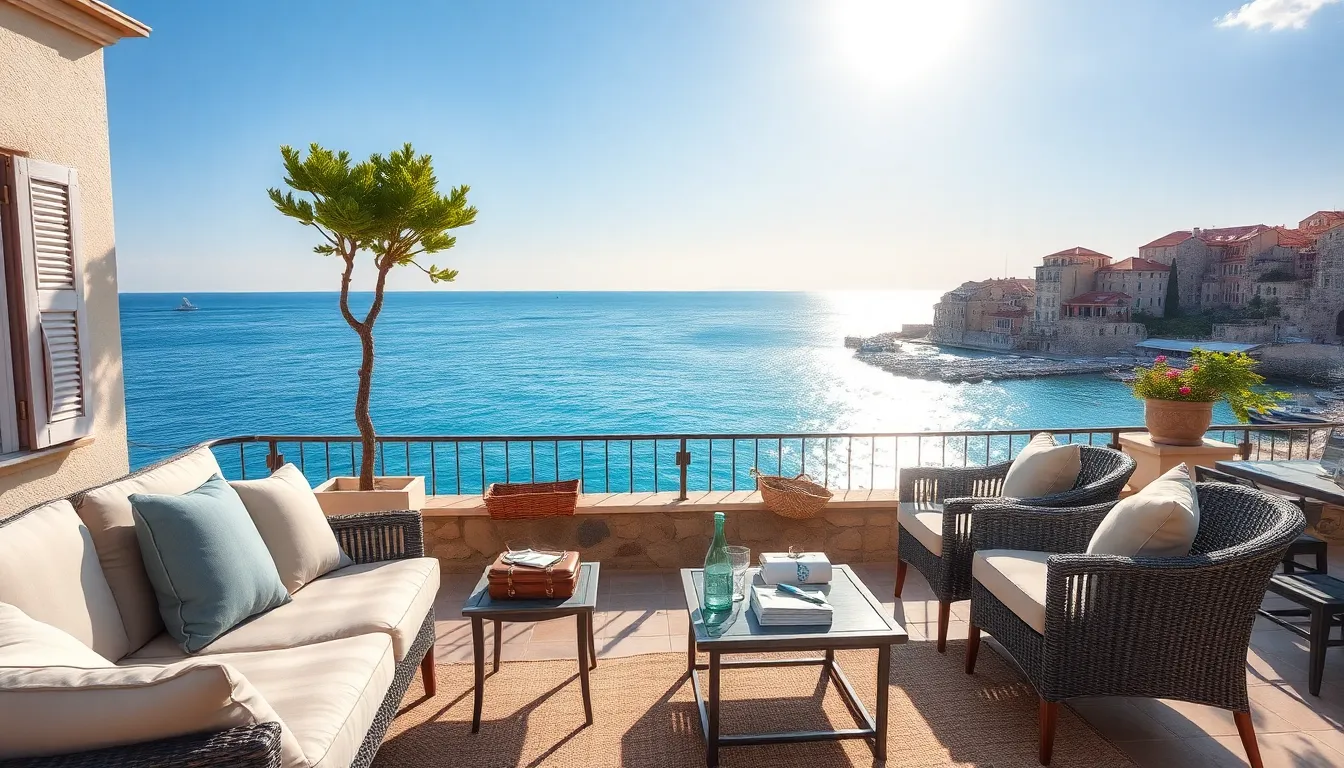
Affordable luxury in Croatia means paying for comfort where it matters, without turning every travel choice into a five-star splurge. A private room with a sea view, a well-located boutique stay, fresh local food, and a smooth island transfer can create a rich holiday experience at a lower price than many classic Mediterranean destinations.
The key is balance. A smart croatia travel budget does not treat luxury as an all-or-nothing package. Instead, it protects the moments that shape the trip: restful accommodation, easy transport, memorable meals, and time in beautiful places.
For many travelers, affordable luxury includes:
- A stylish guesthouse or small hotel rather than a large resort
- A private bathroom, reliable air conditioning, and a central or coastal location
- One or two special dinners balanced with simple local meals
- Boat trips, wine tasting, or guided heritage tours chosen with care
- Comfortable transfers that reduce long waits and unnecessary changes
Location has the greatest effect on croatia holiday cost. A room in a quiet coastal village may offer more space and better views for the same price as a basic room in a famous old town. The difference is often only a short bus ride or ferry connection. Dubrovnik’s historic center, for example, can carry a steep location premium, while nearby districts may provide better value without cutting off access to the city’s landmarks.
Travelers asking how much does a vacation to croatia cost should separate the headline rate from the useful value of a booking. A cheaper room far from restaurants may lead to extra taxi fares. A slightly higher rate that includes breakfast, a kitchenette, or a walkable location can reduce the daily total. Private apartments can work well for couples or families because a kitchen, laundry facilities, and extra living space may offset the higher nightly price. For a short break, however, a centrally placed boutique room may offer better value than an apartment with added cleaning or service fees.
A useful rule is to spend more on the first and last night, when convenience matters most, and choose a simpler base during longer stays. Luxury also depends on timing: a terrace in May or September can feel more exclusive than a crowded beachfront hotel in August. Shoulder-season travel usually gives visitors more choice, calmer streets, and a better chance of finding upgraded rooms. Prices still change by island, event calendar, and booking demand, so flexible dates are worth real money.
The strongest Croatia budget plan is therefore not the cheapest one. It is the plan that removes friction while keeping room for memorable experiences. Choose comfort deliberately, check the full booking price, and reserve the biggest share of spending for the parts of the journey you will still talk about years later.
How Much Does a Vacation to Croatia Cost by Region?
The answer depends less on the country as a whole than on the exact coast, island, and travel dates. For a useful croatia travel budget, compare the price of the whole stay: room, local transport, meals, and paid access to popular sites.
As a planning guide for 2026, a comfortable two-person holiday often falls into these ranges, excluding international flights:
- Inland Croatia: about €85–€150 per person per day
- Istria: about €110–€210 per person per day
- North and central Dalmatia: about €120–€230 per person per day
- Southern Dalmatia: about €150–€300 per person per day
- Popular islands: about €140–€280 per person per day, depending on ferry use and room location
These figures describe an affordable-luxury style of travel. They assume a private room or apartment, several restaurant meals, local sightseeing, and some paid experiences. August can push the same plan much higher. Treat the figures as working ranges, not fixed quotes.
Zagreb and inland Croatia usually offer the strongest value for travelers who want comfort, culture, and good dining without a coastal premium. In Zagreb, a stylish central room may cost roughly €90–€170 per night outside peak event periods. A two-course meal in a well-rated restaurant often sits around €18–€35 per person, while museums and city attractions commonly add €5–€15 per visit.
Nearby inland areas can be cheaper still. Karlovac, Varaždin, and parts of Slavonia suit travelers who prefer larger rooms, slower days, and regional food. The trade-off is simple: beaches and island ferries are not close by, so a car or longer bus journey may become part of the calculation.
Istria has a different price pattern. Rovinj and the old town of Poreč command high rates in summer, especially for rooms with balconies or direct sea access. A private room may range from €120 to €260 per night in July or August. Smaller inland villages, including those near Motovun or Grožnjan, can offer better space and a quieter setting, although a rental car is often useful.
Istria rewards a selective splurge. Spend on a truffle-focused meal, a vineyard visit, or a polished stone-house stay, then keep other days simple. This approach can lower the overall croatia holiday cost without making the trip feel austere.
Zadar, Šibenik, and the central Dalmatian coast sit in the middle of the regional price scale, but the gap between a historic center and a nearby residential district can be substantial. A comfortable double room often costs about €100–€220 per night in the main season. Restaurants near waterfront promenades tend to charge more than places a few streets inland.
For couples, Zadar can be a useful base for day trips. Šibenik may suit visitors seeking heritage and national-park access. Trogir is convenient for airport connections, yet its compact historic core fills quickly in summer. The best value often comes from booking just outside the old town while staying within a short walk of the center.
Split carries a strong convenience premium. It is a transport hub, a major cultural stop, and a departure point for many excursions. Central rooms can exceed €250 per night during July and August, while a good apartment a few neighborhoods away may offer more space at a lower total price. Dining, tours, and taxis can also add up quickly because visitors tend to pack many activities into a short stay.
Dubrovnik and the far south are often the costliest mainland areas. Historic-center accommodation is limited, and rooms with views or easy access to the old walls can command a notable premium. A comfortable double room may range from €150 to €350 per night in high season, with luxury properties rising far beyond that level.
Nearby areas such as Lapad, Gruž, and Cavtat can change the equation. They may reduce room costs and provide more space, but check the time and price of local buses, boat transfers, or taxis before booking. A lower nightly rate is not always a lower holiday total.
The islands need their own calculation. Hvar Town, Vis, Korčula Town, and Brač do not share one price level. Ferry tickets, car transport, luggage, and limited room supply all influence the final bill. A stylish apartment in a quieter village may cost less than a basic room beside a famous harbor, but reaching beaches and restaurants could require transport.
Island stays work best when travelers remain in one place for several nights. Moving every day adds ferry fares and wastes valuable time. For an affordable-luxury plan, choose one island with the right mood rather than trying to collect several in a rushed route.
For a seven-night trip for two, excluding flights, a realistic total is often:
- Inland Croatia: €1,200–€2,100
- Istria: €1,550–€2,950
- Central Dalmatia: €1,700–€3,200
- Dubrovnik and southern Dalmatia: €2,100–€4,200
- High-demand islands: €2,000–€4,000
For a sharper estimate, multiply the nightly room rate by the number of nights, then add roughly €35–€75 per person per day for food and €10–€35 for local movement and small activities. Add ferry or excursion costs separately. This method exposes the true regional price quickly and prevents a charming low room rate from hiding an expensive itinerary.
Affordable Luxury Croatia Vacation Costs by Travel Style
| Travel Style | Daily Cost per Person | Typical Accommodation | What Is Included | Best For |
|---|---|---|---|---|
| Value Comfort | €45–€75, excluding accommodation | Simple private room or apartment | Local breakfasts, casual meals, public transport, and low-cost attractions | Budget-conscious travelers who still want privacy |
| Affordable Luxury | €80–€145, excluding accommodation | Boutique hotel or stylish guesthouse | Quality meals, comfortable transfers, selected tours, and central or coastal locations | Couples and travelers seeking comfort without five-star prices |
| High Comfort | €150–€280 or more, excluding accommodation | Premium hotel, sea-view room, or luxury apartment | Frequent fine dining, private transfers, premium excursions, and upgraded rooms | Travelers prioritizing convenience and upscale experiences |
| Inland Croatia | €85–€150 total daily estimate | Central hotel or apartment | Culture, dining, museums, and lower-cost local transport | Visitors seeking strong value and city experiences |
| Istria | €110–€210 total daily estimate | Coastal boutique stay or countryside villa | Wine tasting, truffle dining, historic towns, and rental-car travel | Food and wine travelers |
| Southern Dalmatia | €150–€300 total daily estimate | Sea-view room or apartment near Dubrovnik | Historic sites, coastal dining, boat trips, and convenient transfers | Travelers focused on iconic coastal destinations |
| Popular Islands | €140–€280 total daily estimate | Harbor hotel or village apartment | Ferry travel, beaches, island dining, and selected water-based activities | Visitors wanting a slower island-focused holiday |
Croatia Travel Budget: Daily Price Guide
A practical croatia travel budget should be set per person and per day, then adjusted for travel style. The ranges below cover local spending after arrival. International flights are not included, and accommodation is shown separately because room choice changes the final total more than most other items.
- Value travel: €45–€75 per person daily, excluding accommodation
- Affordable luxury: €80–€145 per person daily, excluding accommodation
- High-comfort travel: €150–€280 or more per person daily, excluding accommodation
The affordable-luxury range usually allows a quality breakfast, a relaxed lunch, one memorable dinner, coffee or drinks, local movement, and one paid experience. It does not assume a private boat charter, premium wine pairing, or daily taxi use. Those extras can change the croatia holiday cost very quickly.
Use this daily breakdown to build a more precise estimate:
- Breakfast: €6–€14 per person
- Lunch: €10–€22 per person
- Dinner: €22–€55 per person
- Coffee, gelato, or drinks: €4–€15 per person
- Urban transport: €3–€12 per person
- Small admissions and local activities: €5–€30 per person
These figures work best for planning, not for predicting every receipt. A seafood dinner, a beach club, or a last-minute excursion may sit well above the daily average. On the other hand, a bakery breakfast and a casual konoba meal can leave useful room for a better experience later.
For travelers who want a clear answer to how much does a vacation to croatia cost, these sample budgets show the effect of different choices:
- Couple, seven days, comfortable style: €1,120–€2,030 for local spending and accommodation, before international flights
- Family of four, seven days: €2,000–€3,800, depending on room capacity, attractions, and transport
- Solo traveler, seven days: €750–€1,500, since single rooms and transfers are less easy to share
Families should watch attraction pricing. Some museums and boat trips charge per person, while apartments and car rentals may spread their cost across four travelers. A couple can often benefit from shared transfers, but a solo traveler may find a central location financially sensible because it reduces repeated taxi fares.
Keep a separate allowance for irregular costs. Set aside around €15–€35 per person per day for a flexible reserve if your route includes islands, guided visits, or evening dining. This cushion covers small surprises such as luggage storage, a pier transfer, a reservation fee, or a weather-related change of plan.
For a reliable total, use this simple formula:
Daily food and activity budget × number of travelers × number of days + accommodation + intercity transport + reserve = estimated trip cost.
Check whether a quoted room price is per room or per guest, and confirm cleaning fees, tourist tax, breakfast, and transfer charges before comparing offers. A low nightly figure can look attractive until compulsory extras appear at checkout.
The best croatia travel budget is flexible by day. Protect money for experiences that matter to you, keep routine meals simple when needed, and avoid treating the highest-cost day as the normal one. That approach gives a clearer picture of the real croatia holiday cost while preserving the sense of ease that makes affordable luxury worthwhile.
Accommodation Prices in Zagreb, Split, Dubrovnik, and the Islands
Accommodation usually shapes the largest part of a croatia travel budget. The room rate is only one piece of the puzzle. Location, room size, cancellation terms, cleaning charges, breakfast, and the need for local transport can alter the real croatia holiday cost by a surprising amount.
For 2026 planning, the following nightly ranges suit two travelers seeking private accommodation with solid comfort. They are broad estimates, not guaranteed rates:
- Zagreb: €75–€180 for a private double room or compact apartment
- Split: €110–€280, with central historic-area rooms often at the upper end
- Dubrovnik: €140–€360, especially for rooms near the old city or with a view
- Popular islands: €120–€320, depending on the island, harbor, and season
Zagreb offers the broadest choice. Design hotels, serviced apartments, and renovated historic flats compete with larger international properties. A room near the main square may cost more than one near a tram line a few stops away, even when the quality is similar. For longer stays, compare apartment rates with hotel rates after adding cleaning charges and local taxes.
Split has a sharper divide between the old center and outer neighborhoods. Rooms inside or beside Diocletian’s Palace are convenient, but historic buildings may have narrow stairs, limited sound insulation, and no lift. A modern room in Meje, Žnjan, or another well-connected area may deliver more comfort for the same price. Check the route to the ferry port before choosing a distant apartment.
Dubrovnik often carries the highest accommodation premium. Properties within the walls are limited, and their charm comes with practical compromises: steps, small rooms, and restricted vehicle access. Lapad and Gruž can provide better room sizes and easier arrivals. However, calculate the daily bus or taxi cost before deciding that a cheaper listing is genuinely cheaper.
Island accommodation varies more than mainland accommodation. Hvar Town and Korčula Town can command high rates, while villages away from the main harbor may offer larger terraces and kitchens. On smaller islands, supply is limited, so a modest room can become expensive during peak weeks. Confirm whether the host provides towels, air conditioning, Wi-Fi, and a simple arrival plan before paying a deposit.
For travelers asking how much does a vacation to croatia cost, room capacity matters as much as the destination. A family apartment may cost more per night than a double room but reduce the need for two rooms. A couple may prefer a hotel because breakfast, reception support, and daily cleaning are included. Solo travelers should compare the full single-occupancy price rather than dividing a double-room rate by two.
Before booking, check these details:
- Whether the displayed price includes tourist tax and VAT
- Final cleaning, service, and platform charges
- Air conditioning in every sleeping area, not only the living room
- Lift access and stair requirements in older buildings
- Distance to the nearest beach, ferry terminal, or bus stop
- Refund rules and payment deadlines
- Noise exposure from nightlife, traffic, or waterfront restaurants
Seasonality is especially strong in coastal accommodation. July and August can produce the widest price gap, while May, early June, late September, and October may offer better room choice. Yet lower demand does not remove the need to check heating, pool opening dates, or reduced ferry schedules.
The best accommodation decision is not always the room with the lowest nightly rate. It is the option that matches the route, room needs, and daily habits. Paying slightly more for a walkable base can protect both time and energy, while a kitchen or washing machine may create real value during a longer stay.
Transport Costs for Buses, Ferries, Flights, and Trains
Transport can quietly reshape a croatia travel budget. The ticket itself is only part of the cost. Add airport transfers, port connections, luggage, vehicle space on ferries, and time lost between places. A cheap route is not always the most economical route if it forces an extra night or a costly taxi.
Buses are the main choice for many mainland journeys. Intercity fares often fall between €8 and €35, depending on distance, booking time, and season. Zagreb–Zadar or Zagreb–Split routes may cost more on busy departures. Some operators charge separately for large luggage, usually a few euros. Keep small cash or a card ready at the station, because rules can vary by carrier.
Long-distance buses are useful, but schedules may be less frequent on Sundays and outside summer. A departure listed as direct can still include several stops. Allow extra time when connecting with a flight or ferry; road traffic near Split and coastal resorts can be stubborn, especially in July and August.
Ferries are essential for island travel. Passenger-only catamarans are often faster, while car ferries usually take longer and may cost more when a vehicle is included. A passenger ticket commonly ranges from €5 to €25 each way. Popular summer sailings can sell out, particularly on routes serving Hvar, Brač, Vis, and Korčula.
Vehicle reservations deserve special attention. The final ferry price may combine the driver, passengers, and car length. Arrive early for busy car-ferry departures, but do not assume an early arrival guarantees a place if the service operates on a first-come basis. Always check the operator’s current sailing calendar before building a tight itinerary.
Domestic flights can save a full day on longer routes, although the headline fare may exclude baggage and airport transfers. A short flight between Zagreb and Dubrovnik can be useful when time is limited. Compare the full door-to-door price with a bus or train journey, not only the airfare.
Trains are most useful around Zagreb and on selected inland routes. They can be comfortable for slower sightseeing, but Croatia’s rail network does not serve every coastal destination efficiently. For some journeys, a train plus a local bus costs more and takes longer than one direct coach. The train becomes a good choice when comfort, scenery, or a relaxed departure matters more than speed.
Reserve a separate transport allowance:
- Short city break: €20–€60 per person for local and airport transport
- Mainland route: €60–€150 per person for several intercity journeys
- Island itinerary: €90–€220 per person when ferries and port transfers are included
- Rental-car route: €250–€650 per week before fuel, tolls, parking, and ferry charges
Rental cars offer freedom, but the total can rise through automatic-transmission premiums, insurance excess, parking, fuel, and restricted access in historic centers. A car is most useful for rural Istria, inland villages, or a route with several remote beaches. It is often less attractive for a short stay based in a city with strong bus and ferry links.
Use this planning sequence:
- Map the arrival airport, accommodation, ferry port, and first activity.
- Price the complete route, including luggage and transfers.
- Check whether a car is needed for every day or only part of the trip.
- Leave a buffer for traffic, weather, and missed connections.
- Book scarce summer ferry or flight seats before arranging non-refundable rooms.
Transport is where a little route discipline pays off. Fewer bases, sensible connections, and one well-chosen transfer can protect the croatia holiday cost without making the journey feel restricted.
Food and Drink Prices: City Meals to Coastal Dining
Food can make or break a croatia travel budget, especially when a trip includes several coastal towns. The biggest difference is not always the dish itself. It is the setting, the view, the harbor location, and the service style around it. A meal on a busy waterfront may cost far more than the same type of food on a nearby side street.
As a practical 2026 guide, typical prices per person may look like this:
- Bakery breakfast or quick snack: €3–€8
- Casual lunch: €9–€18
- Mid-range dinner: €20–€45
- Fresh fish or premium seafood: €30–€70
- Specialty coffee: €2–€4
- Gelato: €2–€4
- House wine: €4–€8 per glass
- Local beer: €3–€6
Inland cities usually provide the widest choice at moderate prices. Zagreb has bakeries, market stalls, bistros, and modern restaurants, so travelers can change their spending level from one meal to the next. A simple breakfast may cost only a few euros, while a tasting menu or craft cocktail evening can raise the daily total sharply.
Coastal dining follows a different rhythm. Seafood, olive oil, seasonal vegetables, and grilled meat are common menu features. Restaurants beside marinas and historic squares often add a location premium. The food may still be excellent, but a table with an uninterrupted view can quietly increase the bill through higher dish prices, cover charges, or larger drink markups.
Drink prices deserve their own line in the calculation. Two coffees, bottled water, an aperitif, and wine with dinner can add €15–€35 per person in one day. Travelers who enjoy long evenings by the sea should allow for this rather than treating drinks as a minor detail.
Local markets can offer good ingredients for picnics or apartment meals, but market prices are not automatically low. Fresh fish, truffles, premium cheese, and imported products may cost as much as restaurant food. Seasonal fruit, bread, yogurt, vegetables, and local pastries are usually easier on the wallet and travel well.
These habits help control the croatia holiday cost without reducing the quality of the experience:
- Read the menu outside before sitting down.
- Check whether bread, cutlery, service, or a cover charge is added.
- Order local fish by weight only after confirming the price per kilogram.
- Choose a house wine or local lager instead of imported brands.
- Eat the main meal at lunch when set menus are available.
- Book popular restaurants directly and confirm the reservation policy.
Portion size also matters. A shared starter, one main course each, and a local dessert may offer a better experience than ordering several large dishes. In seafood restaurants, ask whether the listed price refers to a whole fish, a portion, or a market-weight price.
A comfortable food allowance for affordable luxury is about €45–€85 per person per day. That amount can cover breakfast, a relaxed lunch, dinner in a good restaurant, and a few drinks. Serious seafood dining, wine tours, or high-end tasting menus require a separate allowance of €40–€120 or more for the event.
The most useful approach is to mix dining styles. Pair one carefully chosen coastal dinner with a market breakfast, a family-run lunch, or a simple bakery stop. The result feels generous rather than restrictive, and it keeps the croatia travel budget under control while leaving space for the dishes that make the journey memorable.
A Realistic One-Month Croatia Budget Example
A one-month stay needs a different budget model from a short beach break. Fixed costs are spread across more nights, while repeated transfers, laundry, phone data, insurance, and occasional replacement items become more visible. For a solo traveler choosing private rooms, local transport, regular restaurant meals, and several paid experiences, a realistic croatia travel budget is around €2,900–€4,800, excluding international flights.
The lower end assumes careful route planning and moderate comfort. The upper end allows more private accommodation, frequent dining out, guided activities, and a larger contingency reserve. Peak summer can exceed these figures, especially when the itinerary includes several popular islands.
- Accommodation: €1,350–€2,150
- Food and drinks: €850–€1,350
- Domestic transport: €300–€650
- Activities and admissions: €250–€550
- Laundry, mobile data, insurance, and small purchases: €120–€250
- Contingency reserve: €250–€450
This produces an average of roughly €97–€160 per day. A couple sharing a room and selected transfers may spend less per person, even if the total household bill is higher. A solo traveler cannot divide many fixed costs, so the nightly room rate has a stronger effect.
Here is a workable month-long structure:
- Week one: a city base, two cultural excursions, and moderate dining
- Week two: a coastal base with one island outing
- Week three: a longer island stay with fewer transfers
- Week four: a slower inland or coastal base before departure
This arrangement reduces the hidden cost of constant movement. Every additional change of base may create a new transfer, a luggage fee, a partial day, and a higher chance of paying for convenience. Staying four to seven nights in one place gives the budget some breathing room and makes longer-term accommodation easier to negotiate.
For travelers wondering how much does a vacation to croatia cost over one month, the main distinction is between a travel month and a temporary living month. A travel month includes more tickets, attractions, and restaurant meals. A temporary living month uses fewer bases, shops locally, does laundry less expensively, and may qualify for weekly or monthly rates.
Allow a separate reserve for costs that are easy to overlook:
- Tourist tax charged per person and night
- Apartment cleaning or linen fees
- ATM or foreign-exchange charges
- Pharmacy items and basic health products
- Extra baggage after buying food, gifts, or beach equipment
- Replacement chargers, adapters, or travel essentials
A monthly budget should also reflect cash-flow timing. Accommodation deposits may be due before arrival, while ferry tickets and activity bookings are paid at different points. Keep at least €300–€500 available for irregular payments rather than allocating every euro to daily spending.
The most useful test is to create two totals: a planned total and a protected total. The planned total covers the expected month. The protected total adds the reserve needed if weather changes a route, a connection is missed, or a preferred room costs more than expected. This method gives a more honest view of the croatia holiday cost than multiplying a short-trip average by thirty.
A one-month stay can feel luxurious without being extravagant. The winning formula is simple: fewer relocations, stable accommodation, deliberate splurges, and enough cash for the unglamorous surprises.
How to Save on Croatia Vacation Prices Without Losing Comfort
Saving money in Croatia does not mean choosing the bare minimum. The smarter approach is to remove waste from the booking process and spend more on comfort that you will actually use. A careful croatia travel budget can protect sleep, privacy, and convenience while cutting avoidable charges.
Book flexible rates only when flexibility has value. A refundable room may cost more, but it can be worthwhile during uncertain travel periods. Once your dates and route are firm, compare the non-refundable rate. Check the total price, not only the first nightly figure, because taxes, cleaning charges, and platform fees can change the result.
Use a split-stay strategy. Choose one or two nights in a premium location, then move to a quieter base for the rest of the visit. This preserves the special experience without paying a top location premium every night. Keep the transfer simple; a saving disappears quickly if it requires repeated taxis or private drivers.
Travel with a smaller packing plan. Checked baggage, porters, and extra luggage fees can inflate a low-cost itinerary. A compact bag also makes stairs, buses, and ferries easier. For longer stays, use a laundrette or accommodation laundry service instead of packing for every possible weather change.
Buy experiences directly from established providers. Online resellers may add a commission without improving the tour. Before paying, confirm what is included: entry tickets, equipment, meals, insurance, transfers, and cancellation terms. A low headline price can become poor value when basic elements are excluded.
- Compare the complete cost for two travelers, not just the price per person.
- Ask whether a private transfer is necessary or merely convenient.
- Check official attraction websites for current opening times and ticket rules.
- Reserve popular activities early, but avoid paying for several non-refundable tours at once.
- Keep one free day after a major excursion to avoid buying an expensive replacement plan if weather changes.
Choose comfort features with a high daily payoff. Air conditioning, a quiet room, a good mattress, and reliable Wi-Fi usually matter more than a decorative lobby. A balcony may be worth the extra cost if you will use it every morning, but a premium view is less useful when the room is only used for sleeping.
Payment method and currency conversion also matter. Pay in euros when the card terminal offers a choice between euros and your home currency, unless your bank gives a clearly better arrangement. Decline dynamic currency conversion when its exchange rate is unclear. Review card fees before departure and keep a small emergency reserve separate from daily spending.
Build comfort into the route, not just the room. Avoid an arrival after the last ferry, a departure that requires a dawn taxi, or a same-day chain of tight connections. A slightly higher fare for a direct service can be a bargain when it prevents a missed booking or an extra night.
Families can save without making the holiday feel sparse by choosing accommodation with a proper kitchen, shaded outdoor space, and a washing machine. Couples may gain more from a central room and fewer transfers. Solo travelers should prioritize walkability because frequent taxis can outweigh the cost of a better-located room.
Use a simple three-part budget:
- Essential: accommodation, confirmed transport, food, and insurance
- Enjoyment: selected dinners, tours, beach services, and cultural visits
- Protection: a reserve for delays, medical needs, price changes, or route changes
This structure makes the real croatia holiday cost easier to control. Cut from the enjoyment category only when necessary; protect essentials and the reserve first. Affordable luxury is not about chasing the lowest price. It is about paying for fewer, better choices and avoiding the small leaks that quietly drain a holiday budget.
United Croatia Vacation Packages and Newark Flight Options
Travelers who want a simpler booking process can compare Croatia stays and flights through United Packages. Package reservations are handled through Priceline.com, allowing travelers to review flight and accommodation details in one booking flow. This can make the total croatia holiday cost easier to assess before payment, especially when separate reservations show different taxes, baggage rules, or cancellation terms.
Flight options from Newark to Croatia are also available for eligible travel dates. Check the arrival airport carefully before choosing a package. Zagreb, Split, and Dubrovnik create very different starting points, and the cost of reaching the first hotel can affect the overall croatia travel budget.
United Packages may be useful for travelers comparing several trip styles:
- Family holidays with room for shared accommodation and flexible activities
- Last-minute offers for travelers who can adjust dates or destinations
- Beach packages focused on coastal stays
- Ski packages for winter travel in suitable mountain areas
- Other Croatia offers that combine flights and accommodation
Before booking, compare the package total with separate flight and hotel prices. Look at baggage allowances, airport taxes, resort or city charges, transfer conditions, and cancellation deadlines. A package is most useful when its combined price and terms fit the trip; a lower headline rate may not be better if it excludes essential services.
Travelers who need assistance can contact United Packages at 1-833-901-4500. For “Find My Trip” support or booking help, call 1-866-263-7950. Confirm opening hours and available services before calling, as support details can change.
Save the final package confirmation and check every included item. Keep flight, room, transfer, and baggage costs together. This creates a clearer trip total and makes it easier to decide whether the booking leaves enough money for dining, activities, and unexpected changes.
Review the package’s frequently asked questions, accessibility information, legal terms, and privacy policy before completing payment. Travelers using MileagePlus should also check the current rules for account credit, eligibility, and registration.
Choosing Family, Last-Minute, Ski, and Beach Packages
Different package types solve different planning problems. The right choice depends on group size, flexibility, season, and the experiences that matter most. Comparing the complete package price is essential when estimating your croatia travel budget.
Family packages work best when room capacity and practical services are clear from the start. Check whether children’s meals, baggage, airport transfers, adjoining rooms, and activity tickets are included. A package with a slightly higher price may offer better value if it avoids buying separate seats, transfers, or attraction passes later.
- Confirm the maximum number of guests per room.
- Check child age limits and any child-rate conditions.
- Review stroller access, lifts, pools, and accessible paths.
- Look for breakfast times that suit young children.
- Check whether cancellation terms apply separately to each traveler.
Last-minute packages suit travelers who can accept a fixed hotel, airport, or departure time. They may work well outside peak demand, but choice can be limited during school holidays and major events. Before booking, compare the total price with a flexible alternative and check the distance from the airport to the property.
Last-minute value is not measured by the discount alone. A lower rate may come with a basic room, restricted baggage, a late arrival, or no change option. Ask what happens if a flight schedule changes. This detail can have a major effect on the final croatia holiday cost.
Ski packages serve a smaller winter market than Croatia’s coastal holidays. Resorts such as Sljeme near Zagreb offer access to winter sports, while other mountain areas may suit travelers seeking snow, hiking, or a quiet retreat rather than a large alpine resort. Check snow conditions, lift access, equipment hire, shuttle schedules, and the distance between lodging and slopes.
For ski travel, package value depends heavily on what is included. A package with lift passes and equipment may be more useful than a cheaper room-only offer. Also check whether lessons, helmet hire, insurance, and local transfers are separate charges. Winter weather can affect roads, so a reliable transfer may be worth more than a small room discount.
Beach packages are often the simplest option for travelers who want a predictable coastal stay. Review the exact beach access, not only the word “beach” in the offer. Some properties are beside a public pebble beach, while others require a shuttle, stairs, or a boat trip. Pool access, sun loungers, towels, and watersports may also carry separate fees.
Compare packages using the same checklist:
- Total price for every traveler
- Flight baggage and seat conditions
- Room type and occupancy rules
- Airport transfer and local transport
- Meals, drinks, and resort charges
- Cancellation, amendment, and refund terms
- Accessibility features and special assistance
Families generally benefit from certainty, last-minute travelers from flexibility, ski guests from bundled equipment or passes, and beach travelers from a well-located property. None is automatically the cheapest. The strongest choice is the package whose included services match the trip, because unused extras can inflate the budget while missing essentials create new costs.
Before paying, read the frequently asked questions, accessibility information, legal terms, and privacy policy attached to the booking. Keep the confirmation, payment record, and emergency contact details together.
Booking Help, Trip Support, and Key United Contacts
Clear support can protect a croatia travel budget when a booking question involves names, dates, payment, or travel documents. Before contacting support, keep the reservation number, passenger names exactly as entered, departure details, and the email used for booking ready. This helps the agent identify the correct itinerary faster.
For United Packages assistance, call 1-833-901-4500. Use this line for package-related questions, including reservation details, changes, and available travel support. For “Find My Trip” or general trip assistance, call 1-866-263-7950.
Support is most useful when the request is specific. State whether you need help with a flight, hotel, package payment, passenger detail, cancellation, or accessibility request. Ask the representative to explain any fee, deadline, or restriction before approving a change.
- Have the confirmation number available.
- Verify the spelling of every passenger name.
- Ask whether the change affects the flight and hotel separately.
- Request the total additional charge in writing.
- Save the agent’s instructions and any new confirmation email.
Confirm what happens if a booking is changed. A rebooking fee, fare difference, hotel penalty, or missed-transfer charge may apply under separate terms. Do not assume that changing one part of a package automatically changes the others.
For accessibility support, describe the exact assistance needed rather than using a broad label. Useful details may include wheelchair handling, step-free boarding, visual or hearing support, dietary needs, or assistance at the hotel. Submit requests as early as possible and confirm them again after any itinerary change.
Review the package frequently asked questions, accessibility information, legal notices, and business terms before final payment. The privacy policy explains how booking information is handled. Travelers who use MileagePlus should separately review current account and enrollment conditions instead of assuming that every package earns credit.
Keep three records until the trip ends:
- The original booking confirmation
- Receipts for payments and approved changes
- Emergency and after-hours support details
This small filing habit makes support easier and reduces uncertainty around the final croatia holiday cost. If a problem occurs, accurate records are far more useful than screenshots of a promotional price or an informal message.
Conclusion: Plan Your Croatia Travel Budget for Affordable Luxury
A successful croatia travel budget is not a hunt for the lowest possible number. It is a clear spending plan that matches your priorities, travel dates, and tolerance for uncertainty. Set the total first, then divide it into committed costs, flexible enjoyment, and a reserve that remains untouched unless plans change.
To estimate how much does a vacation to croatia cost, calculate the full trip rather than comparing isolated prices. Include international travel, package charges, accommodation, meals, activities, transfers, taxes, baggage, and payment fees. This gives a more honest view of the final croatia holiday cost and prevents a low headline rate from misleading you.
Affordable luxury works best when comfort is intentional. Pay for the features that improve every day, such as restful sleep, dependable air conditioning, easy arrival, and enough space. Treat premium dinners, private excursions, and special views as selected highlights instead of automatic daily expenses.
Before confirming a reservation, write down three figures:
- Expected total: the amount needed for the planned itinerary
- Maximum total: the highest amount you are willing to spend
- Emergency reserve: money kept separate for disruption or urgent needs
This simple test reveals whether a package or independent booking truly fits. It also makes trade-offs easier. You can upgrade one important night, add a memorable experience, or choose a more convenient transfer without losing control of the entire plan.
Prices change with demand, so treat all estimates as planning ranges rather than promises. Confirm final terms, inclusions, cancellation rules, accessibility details, and payment deadlines directly before purchase. Keep written records of confirmations and changes.
The strongest Croatia holiday is not necessarily the most expensive or the most economical. It is the one where the money supports the experience you actually want: calm mornings, good food, comfortable movement, and a few moments that feel genuinely special. Plan with precision, leave breathing room, and let affordable luxury remain enjoyable rather than stressful.
Frequently Asked Questions About Croatia Vacation Prices
How much does an affordable luxury vacation in Croatia cost?
An affordable luxury vacation in Croatia generally costs about €80–€145 per person per day, excluding accommodation. Including a private room or stylish apartment, a seven-night trip for two often ranges from approximately €1,550 in inland areas to €4,200 in Dubrovnik or southern Dalmatia, excluding international flights.
Which Croatian destinations offer the best value for luxury travelers?
Zagreb and inland Croatia usually offer the strongest value for comfortable accommodation, dining, and cultural activities. Istria and central Dalmatia can also provide good value when travelers stay outside the most popular coastal centers. Dubrovnik, Split, and high-demand islands are generally more expensive.
When is the best time to reduce Croatia holiday costs?
May, early June, late September, and October often offer better prices than July and August. Traveling during these shoulder-season months can provide more affordable accommodation, calmer attractions, and greater availability of upgraded rooms while maintaining pleasant conditions in many destinations.
What is usually included in an affordable luxury Croatia vacation budget?
An affordable luxury budget typically includes private accommodation, quality meals, local transport, selected cultural attractions, and experiences such as wine tasting, boat trips, or guided tours. Travelers should budget separately for international flights, ferry tickets, baggage, tourist taxes, transfers, and a contingency reserve.
How can travelers enjoy luxury in Croatia without overspending?
Travelers can control their Croatia travel budget by visiting in the shoulder season, choosing accommodation outside the busiest historic centers, staying several nights in one location, combining special meals with casual local dining, and comparing complete booking costs. Paying selectively for comfort, convenient transport, and memorable experiences usually offers better value than upgrading every part of the trip.