
Table of Contents:
Easy Travel to Croatia’s Adriatic Highlights
Getting to Croatia’s Adriatic coast is often simple, especially for travellers from nearby European countries. Direct flights serve coastal gateways such as Split, Dubrovnik, Zadar, and Pula during the main season. Zagreb is also useful when you want to begin inland and continue by road or rail.
Travel times vary by route and season. A short flight can place you near the coast in a few hours, but airport transfers and ferry connections still need planning. Hvar, Brač, and Vis do not have the same access options, so check the final boat departure before booking a late arrival. Missing the last ferry is a small mistake with a very un-small effect.
Split works well as a starting point for central Dalmatia. From there, catamarans and ferries connect with several islands. Dubrovnik suits travellers who want to focus on the far south, while Pula opens the door to Istria and its coastal towns. Zadar is a practical base for northern island routes and nearby excursions.
For a smoother journey, keep these points in mind:
- Book airport transfers early in July and August, when road traffic can be heavy.
- Leave extra time between a flight and a ferry, since schedules may change with weather.
- Carry light luggage if you plan to use catamarans, where storage space can be limited.
- Check whether your accommodation includes a port transfer, especially on smaller islands.
- Use official ferry operators and transport websites for current timetables and ticket rules.
Croatia also benefits from its compact shape. A traveller can combine a coastal stay with a short inland visit instead of spending the whole holiday in transit. That makes the country a smart choice when you want several distinct experiences without a complicated route.
Crystal-Clear Beaches and Hidden Coastal Coves
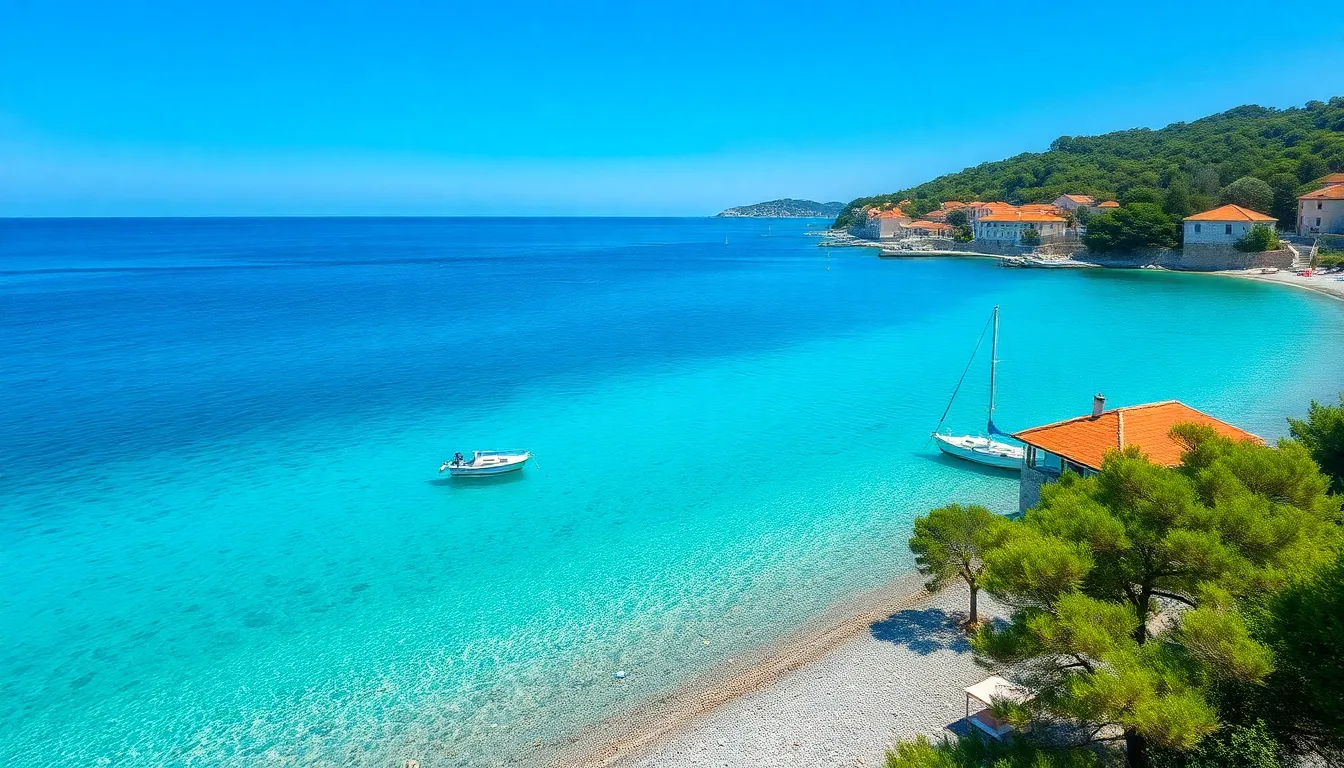
Croatia’s beaches reward travellers who look beyond the obvious waterfront. Along the Adriatic, a bright mix of pebbles, pale rock, pine shade, and deep blue water creates a coastline that feels different from one bay to the next. The sea is often calm enough for a gentle swim, while offshore rocks and reefs invite careful exploration with a mask and snorkel.
Zlatni Rat on Brač is one of the coast’s most recognisable sights. Its narrow spit reaches into the sea and can shift its tip with changing winds and currents. The beach is attractive, but the wider scene matters too: Mount Vidova Gora rises behind it, giving visitors a rare view from high ground down to the shore.
For a more secluded experience, Stiniva Beach on Vis is enclosed by steep cliffs. Its narrow entrance makes the cove feel almost secret when approached from the water. The shore is small, so arrive early, bring drinking water, and avoid leaving rubbish behind. Access by foot involves a steep, rough path; a boat trip is easier for many visitors, though landing conditions depend on the sea.
Other coastal areas suit different kinds of beach days. Rab has several sandy stretches, while the Makarska Riviera combines clear swimming spots with dramatic mountain views. On quieter islands, small coves may have no changing rooms, cafés, or shade. That is part of their charm, but it also means you should carry sun protection, suitable footwear, and a charged phone.
- Wear water shoes on sharp pebbles and rocky entries.
- Check wind and wave conditions before visiting a remote cove.
- Use reef-safe sun protection and never touch marine life.
- Keep children close near sudden drop-offs and unguarded rocks.
- Choose early morning or late afternoon for softer light and fewer visitors.
The best Croatian beach is not always the largest one. Sometimes it is a small inlet reached after a walk, where the only soundtrack is cicadas and water against stone. That quiet, almost cinematic feeling is the real magic of the Adriatic coast.
Why Croatia Works So Well for Different Types of Holidays
| Holiday Experience | Best Destinations | Highlights | Things to Consider |
|---|---|---|---|
| Beach and swimming | Brač, Vis, Makarska Riviera | Clear Adriatic water, pebble beaches, secluded coves, and dramatic coastal scenery | Some beaches are rocky and offer little shade; water shoes and sun protection are useful |
| Island hopping | Hvar, Korčula, Vis, Krk, Cres | Frequent summer ferries, historic harbour towns, quiet villages, and varied island landscapes | Ferry schedules can change because of weather, and late connections may be limited |
| History and culture | Dubrovnik, Split, Zadar, Šibenik, Zagreb | Roman ruins, medieval walls, Venetian architecture, museums, and Game of Thrones locations | Historic centres can become crowded during July and August |
| Nature and outdoor activities | Plitvice Lakes, Krka, Paklenica, Kornati, Mljet | Waterfalls, forests, canyons, hiking trails, saltwater lakes, and boat excursions | Trails may be exposed, slippery, or demanding; check park notices and weather forecasts |
| Sailing | Central Dalmatia and the Kornati Islands | Quiet bays, open-water views, swimming stops, and access to places unreachable by road | Strong winds such as the bura can disrupt routes; licensed skippers and safety planning are essential |
| Food and wine | Istria and Pelješac | Fresh seafood, oysters, olive oil, truffles, Malvazija Istarska, and Plavac Mali wines | Seafood prices may be charged by weight, so confirm the cost before ordering |
| Festivals and nightlife | Split, Hvar, Pag, Zagreb, Dubrovnik | Electronic music festivals, fortress clubs, waterfront bars, concerts, and late-night dining | Peak-season events can mean higher prices, long queues, and limited transport after midnight |
| Best travel periods | Nationwide | May and September offer warm conditions, fewer crowds, and a more relaxed atmosphere | Some seasonal ferry routes and businesses operate less frequently outside the summer peak |
Historic Cities, Culture, and Game of Thrones Locations
Croatia’s historic cities turn a beach holiday into a journey through Roman, medieval, Venetian, and Austro-Hungarian history. Their old centres are compact, so you can see major landmarks on foot and still have time for a slow coffee in a shaded square.
Dubrovnik is the most famous example. Its Old Town, protected by massive stone fortifications, preserves churches, palaces, narrow lanes, and polished limestone streets. The city’s walls became a key filming location for Game of Thrones, where Dubrovnik stood in for King’s Landing. Fans may recognise Pile Gate, the Jesuit Staircase, and the harbour area used in several scenes. Visit early in the day to enjoy the setting before the streets become busy.
Just outside Split, Klis Fortress rises above the surrounding valleys. Its walls served as Meereen in the series, but the site has a much older story. Illyrian tribes, Roman forces, medieval rulers, and Ottoman armies all shaped its past. The elevated position also explains its importance: from here, defenders could watch routes leading towards the coast.
The Arboretum Trsteno, about 15 kilometres northwest of Dubrovnik, offers a gentler film setting. Its Renaissance garden, old trees, stone aqueduct, and sea views created the gardens of King’s Landing. The 15th-century summer residence nearby adds another layer of history. Allow at least an hour for the grounds; the atmosphere is leafy, quiet, and wonderfully unhurried.
Other cities add different chapters to Croatia’s cultural story. In Split, the historic core grew inside the 4th-century Palace of Diocletian. Zadar is known for Roman remains, medieval churches, and its Sea Organ, which turns waves into low, haunting music. Šibenik contains the UNESCO-listed Cathedral of St. James, built entirely from stone without traditional mortar.
- Wear comfortable shoes on uneven limestone streets and fortress steps.
- Book popular film-location tours only after checking the meeting point and duration.
- Respect residents in old towns, where historic buildings are still private homes.
- Carry a light layer for fortress visits, as exposed walls can feel windy.
- Use official heritage sites for opening hours, access rules, and admission details.
These places work best when viewed as living heritage, not just television backdrops. The series may draw you in, but Croatia’s layered history is what makes the visit stay with you.
Croatia’s Islands: The Perfect Setting for Island Hopping
Island hopping in Croatia works because each island has its own rhythm. Some feel lively and social, others remain quiet, rural, or almost dreamlike. Instead of treating the islands as interchangeable stops, build a route around their differences.
Hvar suits travellers who want attractive harbours, evening dining, and easy access to smaller islets. Korčula offers a more intimate town setting, with stone lanes and a strong maritime character. Vis feels more remote and rewards visitors who enjoy unhurried days. In the north, Krk and Cres combine coastal villages with hiking areas and a less polished, more rugged atmosphere.
Ferry planning matters more than it first appears. Some routes run all year, while others become frequent only in summer. Car ferries allow greater freedom, but a vehicle can also make a short island break slower and more expensive. On compact islands, buses, taxis, bicycles, or scooters may be enough. Check licence rules and insurance before renting a scooter; the roads can be narrow, steep, and surprisingly bendy.
- Choose two or three islands for a one-week trip instead of chasing a long list.
- Stay at least two nights per island to avoid spending the holiday in transit.
- Use car ferries when exploring rural areas that have limited public transport.
- Keep a flexible plan for windy days, when crossings may be delayed.
- Reserve accommodation near the port if you arrive late or travel with children.
A thoughtful route might pair lively Hvar with quieter Vis, then continue towards Korčula. Northern routes feel different and often suit travellers who prefer villages, cycling, and open landscapes. The point is not to collect islands like stamps. It is to notice how quickly the mood changes once the mainland fades behind you.
National Parks, Waterfalls, and Wild Landscapes
Croatia’s national parks show a wilder side of the country, far from busy resorts and built-up waterfronts. Across eight parks, rivers cut through limestone, forests shelter rare species, and karst landscapes create scenes that look almost unreal.
Plitvice Lakes National Park is the best-known example. Sixteen linked lakes spill into one another through a chain of waterfalls and travertine barriers. Wooden paths cross the water and lead through beech and fir forests. Swimming is not allowed, which helps protect this fragile system. Plan several hours for the main trails and use the park’s official entrances to check seasonal routes and ticket rules.
At Krka National Park, the river forms a sequence of broad cascades, pools, and channels. The Skradinski buk area is especially impressive, while quieter sections reveal old watermills and river scenery. Rules on swimming can change by location and season, so check current notices before entering the water.
Kornati National Park offers a stark contrast. Its island landscape is shaped by pale cliffs, dry stone walls, sparse vegetation, and open sea. The archipelago is best explored by boat, but visits require planning because services are limited. Bring water, sun protection, and sturdy footwear. There is little shade, and summer heat can feel intense on exposed rock.
Nature lovers should also consider Paklenica, where deep canyons cut into the Velebit range. Its marked trails suit both relaxed walkers and experienced climbers. Risnjak protects dense mountain forests, while Mljet combines woodland, saltwater lakes, and peaceful paths. Each park offers a different pace, so choosing one based on your activity level makes the day far more enjoyable.
- Wear shoes with firm grip on wet boards, loose gravel, and uneven rock.
- Start early to avoid heat, parking pressure, and crowded trail sections.
- Stay on marked paths and never climb around waterfalls or barriers.
- Carry reusable water bottles and take all waste back with you.
- Check park alerts after heavy rain, storms, or strong winds.
The real appeal of Croatia’s protected landscapes lies in their variety. One day may bring roaring water and deep woodland; another reveals silent islands and wind-shaped stone. That change of scenery gives a Croatian holiday its untamed edge.
Sailing Adventures Across the Adriatic Sea
Sailing across the Adriatic reveals a side of Croatia that roads cannot reach. From the deck, the coastline becomes a shifting pattern of pine-covered slopes, pale cliffs, quiet harbours, and open blue water. A private yacht, a bareboat charter, or a small vessel with a skipper can suit very different travel styles.
First-time sailors often choose a route through the central Dalmatian islands. The distances between many anchorages are manageable, which leaves time for swimming, shore visits, and relaxed evenings on board. Experienced crews may prefer exposed passages around outer islands, but local knowledge is valuable because winds can strengthen quickly near headlands.
The maestral, a daytime north-westerly wind, often creates pleasant sailing conditions in summer. The bura is different: this powerful, dry wind can arrive suddenly from the northeast and produce rough seas. Weather forecasts, harbour notices, and advice from the charter company should shape every departure. A sunny morning is not a guarantee of a calm afternoon.
Good seamanship also protects the places that make the voyage special. Anchor only where permitted, avoid damaging seagrass, and use designated moorings in sensitive bays. Many ports have limited space, so arriving before late afternoon can make mooring less stressful. In remote areas, stock enough water, food, fuel, and basic medicine before leaving a larger harbour.
- Check the skipper’s licence requirements before booking a bareboat charter.
- Confirm what the rental price includes, such as fuel, cleaning, linens, and harbour fees.
- Keep a paper chart or offline navigation backup in case mobile coverage drops.
- Use a tender and life jackets carefully when going ashore from an anchorage.
- Respect quiet hours near villages and follow local waste-water rules.
For travellers who prefer comfort without sailing the boat themselves, a crewed charter offers an easy middle ground. The skipper handles navigation and local conditions, while guests can focus on the horizon, a swim off the stern, or dinner beneath a sky full of stars. It is, honestly, hard to beat.
Local Wines from Istria and Pelješac
Wine in Croatia is strongly shaped by place. In Istria, the northern peninsula’s rolling inland hills and red, iron-rich soils help create fresh, aromatic wines. The region is best known for Malvazija Istarska, a dry white with citrus, apple, and subtle herbal notes. It works beautifully with oysters, grilled fish, and light local dishes. Istria also produces elegant red wines from Teran, often marked by bright acidity and a slightly earthy character.
Pelješac, in southern Dalmatia, offers a bolder style. Its steep vineyards face the sea, and the peninsula’s sunny, dry conditions suit Plavac Mali. This red grape produces full-bodied wines with ripe dark fruit, firm tannins, and noticeable alcohol. Two celebrated areas are Dingač and Postup, where vines grow on difficult slopes and harvesting by hand is common. The landscape is dramatic, but the wine is the main event.
Wine visits are most rewarding when you focus on small details rather than rushing through several tastings. Ask how the grapes are grown, whether the wine was aged in steel or oak, and which local food best matches the bottle. Some family cellars welcome guests by appointment only, so contacting them before driving out is wise.
- Choose Istria for crisp whites, cellar visits, and relaxed countryside routes.
- Choose Pelješac for powerful reds and steep coastal vineyards.
- Drink slowly and arrange a designated driver for rural tastings.
- Carry a cool bag if you buy bottles during a hot afternoon.
- Look for protected-origin labels and the producer’s harvest information.
The contrast between the two regions makes Croatia especially interesting for wine travellers. Istria feels bright, savoury, and green; Pelješac feels sun-soaked, mineral, and intense. Together, they offer a compact lesson in how soil, exposure, grape variety, and local tradition can change what ends up in the glass.
Fresh Seafood and the Flavours of Croatian Cuisine
Croatian cuisine is shaped by the sea, the mountains, and centuries of contact with nearby food cultures. A meal can move from delicate shellfish to slow-cooked meat, then finish with olive oil, herbs, or a simple pastry. It is not one single style; it changes noticeably from coast to coast.
Along the Adriatic, look for grilled brancin (sea bass), orada (gilthead bream), squid, and octopus. The finest dishes are often restrained: good fish, local olive oil, lemon, garlic, and a hot grill. In coastal towns, black risotto gets its dark colour and deep, briny taste from cuttlefish ink. Octopus may appear under a slow-roasted bell, while brodet combines several types of fish in a gently spiced stew.
Shellfish lovers should seek oysters from the Mali Ston Bay, where clean, nutrient-rich waters support a long farming tradition. Eat them raw with a little lemon, or ask for the local preparation of the day. Quality varies by season and supplier, so a busy specialist restaurant with clear sourcing is usually a safer choice than a tourist menu with vague descriptions.
Inland and northern regions bring different flavours. Istria is famous for white truffles, fuži pasta, wild asparagus, and earthy mushroom dishes. Dalmatian cooking often uses grilled vegetables, chickpeas, beans, and aromatic herbs. Try pašticada, a rich beef dish slowly cooked with wine, vegetables, and dried fruit, usually served with gnocchi.
- Ask whether seafood is wild-caught or farmed, and where it comes from.
- Order fish by weight only after confirming the price per kilogram.
- Try a local olive oil with bread before choosing a bottle to take home.
- Look for seasonal menus rather than restaurants offering every cuisine at once.
- Tell staff about allergies, especially when ordering shellfish or truffle dishes.
Food markets offer another way to understand the country. Buy ripe figs, Pag cheese, olive oil, or freshly baked bread for a simple picnic. The best Croatian meal may not arrive with ceremony. Sometimes it is grilled fish, warm bread, and a view that does most of the talking.
Festivals, Nightlife, and Memorable Summer Evenings
Croatia’s summer social scene reaches far beyond large club nights. Music festivals, open-air stages, harbour bars, and late dinners create many ways to enjoy an evening, whether you want to dance until sunrise or simply listen to live music with a cold drink.
Ultra Europe brings major electronic acts to Split and other Dalmatian venues, while Sonus turns the island of Pag into a multi-day destination for house and techno fans. Zagreb’s INmusic Festival offers a broader line-up in a city-park setting. Smaller events, including the forest-based Stereo Forest, can feel more relaxed and local. Dates, venues, and programmes change, so check each organiser’s official channels before booking travel.
Nightlife in Croatia is not limited to festivals. In Dubrovnik, Club Revelin occupies a historic fortress and combines electronic music with an unusual architectural setting. Split’s waterfront and old-town lanes offer cocktail bars, live music, and late-night cafés. Hvar Town tends to attract a polished, international crowd, while Zagreb provides year-round concerts, alternative clubs, and a strong student scene.
Festival planning needs a little common sense. Tickets may cover the main programme but not transport, lockers, drinks, or boat transfers. Summer events can also mean long queues and intense heat. A light bag, refillable bottle where permitted, ear protection, and a clear meeting point can save the night when phone batteries begin to give up.
- Buy tickets through the official event website or authorised seller.
- Check age limits, entry times, prohibited items, and refund rules.
- Arrange a licensed taxi or approved shuttle after late events.
- Keep valuables secure in crowded streets and packed venues.
- Respect noise limits and local residents, especially near smaller communities.
The most memorable evenings often happen between headline events: a sunset concert, a quiet drink in a stone courtyard, or music drifting across a harbour. Croatia’s nightlife has energy, yes, but it also knows how to slow down.
The Museum of Broken Relationships in Zagreb
The Museum of Broken Relationships in Zagreb offers a deeply personal view of love, loss, and change. Instead of displaying famous paintings or royal objects, it presents donated belongings linked to ended relationships. A dress, letter, key, toy, or household item can carry more emotional weight than its appearance suggests.
Each object is paired with a short story from its donor. Some accounts are tender, others funny, bitter, or quietly devastating. The museum does not present one simple version of heartbreak. It shows how people remember, cope, and sometimes laugh at experiences that once felt impossible to survive.
The collection began as a temporary artistic project by Olinka Vištica and Dražen Grubišić before finding a permanent home in Zagreb’s Upper Town. Its unusual format invites visitors to become reflective rather than passive. You do not need specialist knowledge, and there is no correct way to read the exhibits. One small object might remind you of a place, a person, or a chapter you had nearly forgotten.
Allow around one to two hours for a thoughtful visit. The museum is compact, but the stories deserve time. Some displays are emotionally intense, so families may wish to review the content before bringing younger children. A small shop also sells books and keepsakes connected to the museum’s theme, though the exhibits themselves remain the main experience.
- Visit when you have enough quiet time, rather than rushing between major sights.
- Read the stories at your own pace; the emotional impact varies from room to room.
- Check current opening hours and accessibility details before travelling to the Upper Town.
- Respect the privacy behind each donation and avoid treating the objects as jokes.
- Consider combining the visit with Zagreb’s nearby cafés, galleries, and historic streets.
This museum stands out because it turns ordinary possessions into emotional records. It is intimate, curious, and sometimes unexpectedly witty. For many visitors, that human scale becomes one of the most memorable cultural experiences in Zagreb.
The Best Time to Visit Croatia
May and September are usually the most balanced months for a Croatia holiday. Days are often warm enough for outdoor plans, while popular towns and transport hubs feel less pressured than during the peak summer weeks. The best choice still depends on your priorities: swimming, hiking, sailing, festivals, or lower prices.
May brings fresh green landscapes and pleasant conditions for walking, cycling, and sightseeing. Sea temperatures can feel cool early in the month, but they usually improve as June approaches. Some seasonal restaurants, boat routes, and attractions may operate on reduced timetables, so check local schedules before building a tightly packed itinerary.
June to August is the main summer period. Sea temperatures are at their most inviting, and the calendar is full of concerts and outdoor events. July and August also bring the highest demand. Accommodation prices rise, parking becomes harder in coastal towns, and midday sun can be intense. Families may prefer late June or the final weeks of August, when the pace is often a little easier.
September offers warm water, softer light, and a calmer mood after the busiest holiday period. It is a strong month for long dinners, coastal walks, and countryside visits. By late September, some island services and seasonal businesses begin to reduce their hours, so confirm return connections if you stay in a remote area.
October to April suits travellers seeking culture, local life, and lower visitor numbers. Coastal weather can be mild, but rain and strong winds may interrupt plans. Zagreb and other inland cities have a more regular year-round rhythm, while small seaside resorts may feel very quiet. Winter visitors should expect limited opening hours and fewer direct transport connections.
- Choose May for green scenery, walking, and lighter visitor levels.
- Choose June for warm weather before the busiest peak.
- Choose July or August for reliable beach conditions and major events.
- Choose September for warm sea temperatures with a gentler atmosphere.
- Choose the cooler months for museums, urban breaks, and uncrowded streets.
Always check regional forecasts rather than relying on one national average. Croatia stretches from exposed islands to sheltered inland valleys, and conditions can differ sharply on the same day. A flexible plan, breathable clothing, a light rain layer, and early bookings for peak dates will keep the trip comfortable.
Conclusion: Plan a Balanced Croatian Holiday in May or September
A balanced Croatian holiday is less about seeing everything and more about giving each region enough time. In May or September, plan a route with clear priorities: a few nights on the coast, one island stay, one inland nature stop, and space for unplanned discoveries. That rhythm feels relaxed, not rushed.
Keep travel days light. A useful rule is to avoid scheduling a major transfer after a late arrival or before an early departure. Leave room for ferry delays, weather changes, and the occasional long lunch. Your itinerary should have structure, but not be so tight that one missed connection spoils the whole trip.
Choose accommodation by function, not only by appearance. A central base helps with short city visits, while a quieter village may suit travellers who want rest. Families should check shade, kitchen access, stairs, and swimming conditions. Couples may prefer a small property with a terrace, whereas active travellers benefit from secure bicycle or equipment storage.
Before departure, prepare a simple travel file with booking details, emergency contacts, insurance information, and offline maps. Croatia uses the euro, and cards are widely accepted, but small cafés, markets, and rural businesses may still prefer cash. Keep a little money available for practical surprises.
- Plan one flexible day for weather, rest, or a spontaneous detour.
- Reserve popular accommodation well ahead for July and August travel.
- Check cancellation terms before booking ferries, tours, or non-refundable rooms.
- Pack a small medical kit, reusable bottle, hat, and light rain jacket.
- Save the emergency number 112 for police, fire, and medical assistance.
May suits travellers who value fresh landscapes and active days. September is ideal for warm-water swims and a calmer end-of-summer mood. Whichever month you choose, combine coast, culture, nature, and local food without trying to conquer the whole country. That is how Croatia becomes more than a list of sights: it becomes a holiday with a natural flow.
For current opening hours, transport changes, park notices, and entry requirements, verify details with official Croatian tourism, transport, and heritage websites before departure. Conditions can change, and a few minutes of planning can prevent a very avoidable headache.
Frequently Asked Questions About Holidays in Croatia
What are the best places to visit in Croatia?
Popular destinations include Dubrovnik, Split, Hvar, Brač, Korčula, Vis, Zagreb, Istria, and the Pelješac Peninsula. Together, they offer historic towns, beaches, islands, national parks, wine regions, and excellent local cuisine.
When is the best time to visit Croatia?
May and September are generally ideal for a balanced trip, with warm weather, fewer visitors, and a more relaxed atmosphere. July and August are best for peak beach conditions and major festivals but are also the busiest months.
What activities can travellers enjoy in Croatia?
Travellers can enjoy swimming, snorkelling, sailing, island hopping, hiking, cycling, visiting historic sites, exploring national parks, attending festivals, and discovering local food and wine.
Which Croatian national parks are worth visiting?
Plitvice Lakes, Krka, Kornati, Paklenica, Risnjak, and Mljet are among the most notable parks. They offer waterfalls, forests, canyons, saltwater lakes, hiking trails, and dramatic island landscapes.
What food and wine should visitors try in Croatia?
Recommended specialities include fresh Adriatic fish, oysters from Mali Ston Bay, black risotto, octopus, brodet, Istrian truffles, fuži pasta, Pag cheese, and pašticada. Wine lovers should explore Malvazija Istarska from Istria and Plavac Mali from Pelješac.