Table of Contents:
Regional Diversity in Croatian Cuisine: Coast vs. Continental
Croatia's culinary landscape is defined by one of the most pronounced regional divides in European gastronomy. The country's geography — a narrow Adriatic coastline stretching over 1,800 kilometers, separated from the interior by the Dinaric Alps — has produced two fundamentally distinct food cultures that share a national identity but almost nothing on the plate. Understanding this divide is the single most important piece of knowledge any serious food traveler can carry before arriving in Croatia.
The Dalmatian and Istrian Coast: Mediterranean Minimalism
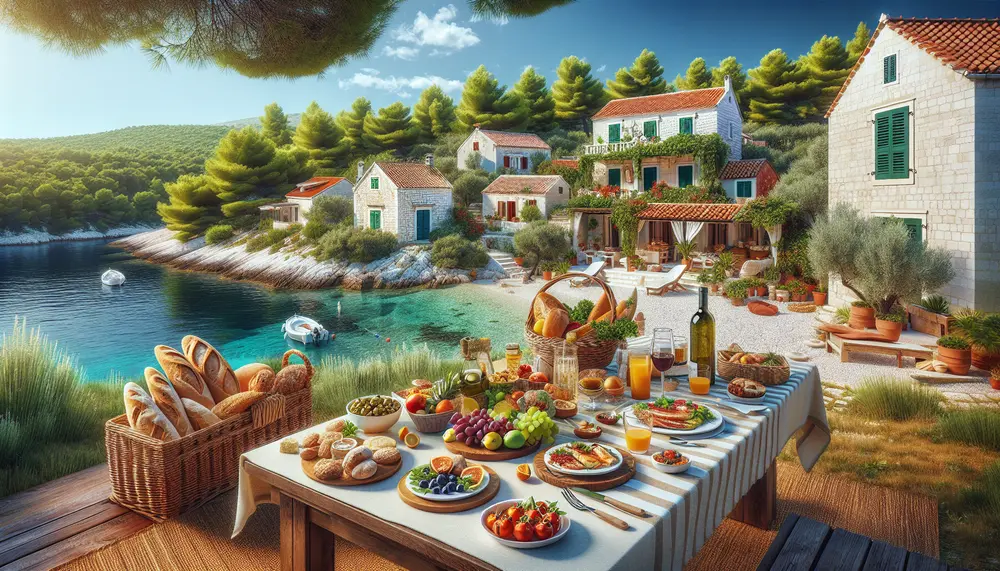
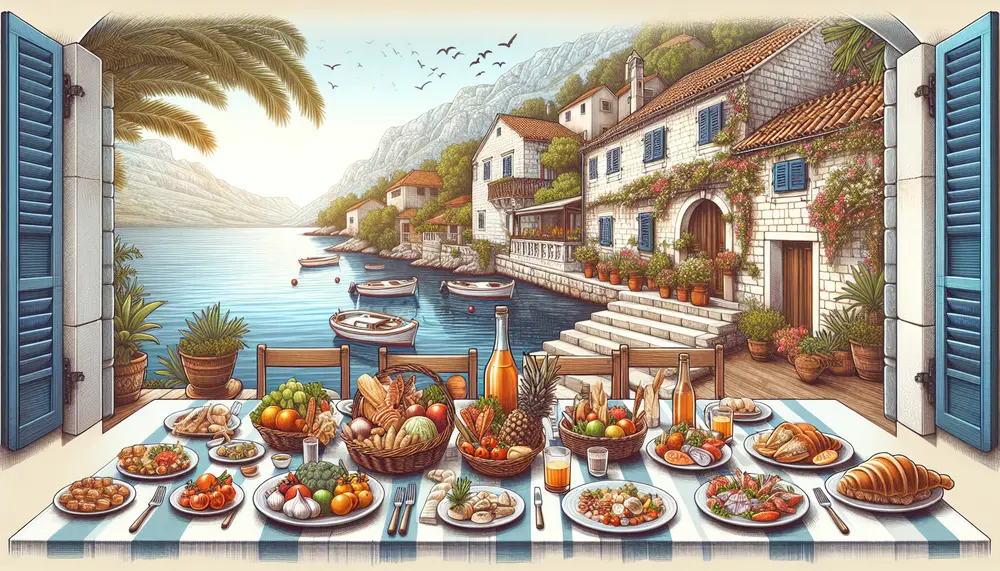
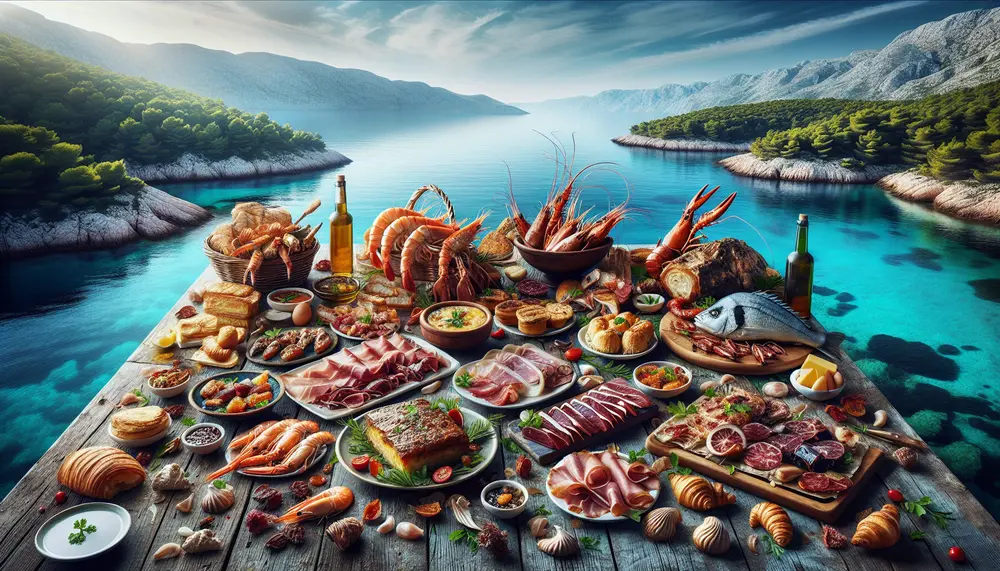
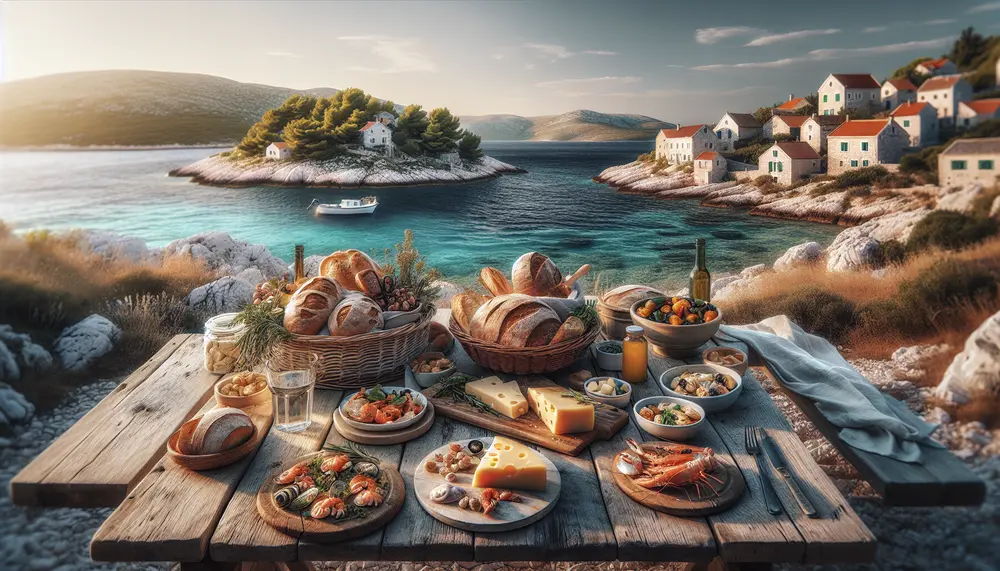
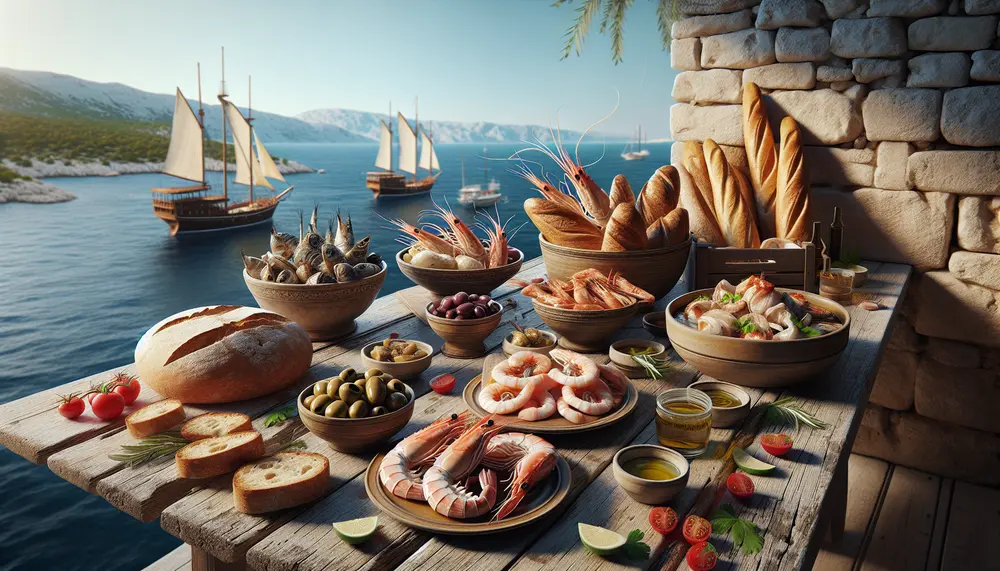
Coastal Croatian cuisine operates on a philosophy of restraint: exceptional raw ingredients prepared with as little intervention as possible. Olive oil — particularly the increasingly award-winning varieties from the Istrian peninsula, where producers like Chiavalon and Ipša regularly appear in top-100 global rankings — functions as the primary cooking fat and flavor base. Peka, the slow-cooking technique using a bell-shaped lid covered with embers, produces lamb and octopus dishes that have been prepared identically for centuries. If you want to understand what distinguishes this region's approach to food, diving into the traditions and rituals around how Croatians eat reveals that mealtimes on the coast are structured around seasonal availability in ways that continental cuisine rarely matches.
The Dalmatian coast leans heavily on a short list of elite ingredients:
- Pag lamb — grazed on salt-wind-exposed terrain, producing meat with a naturally mineral flavor profile
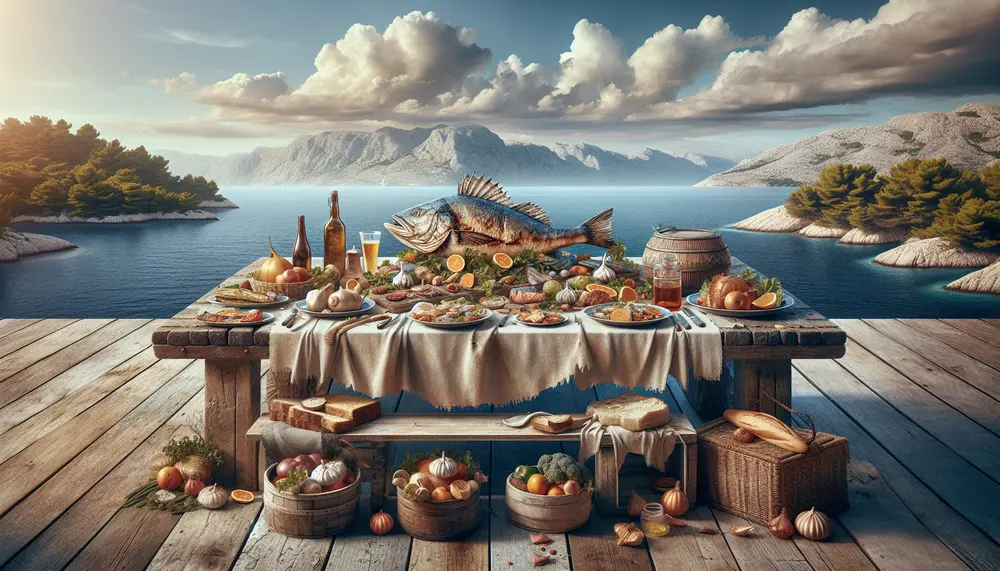
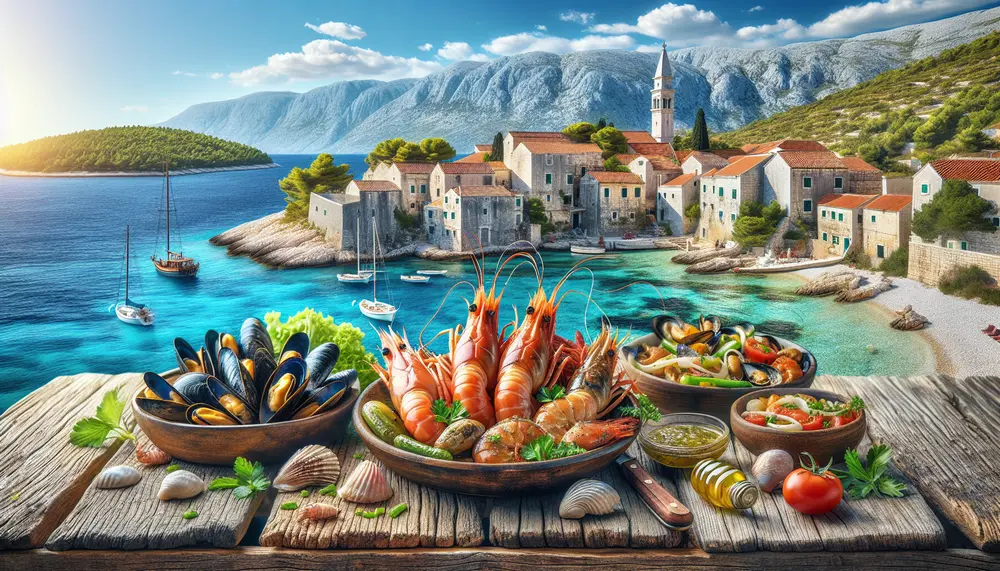
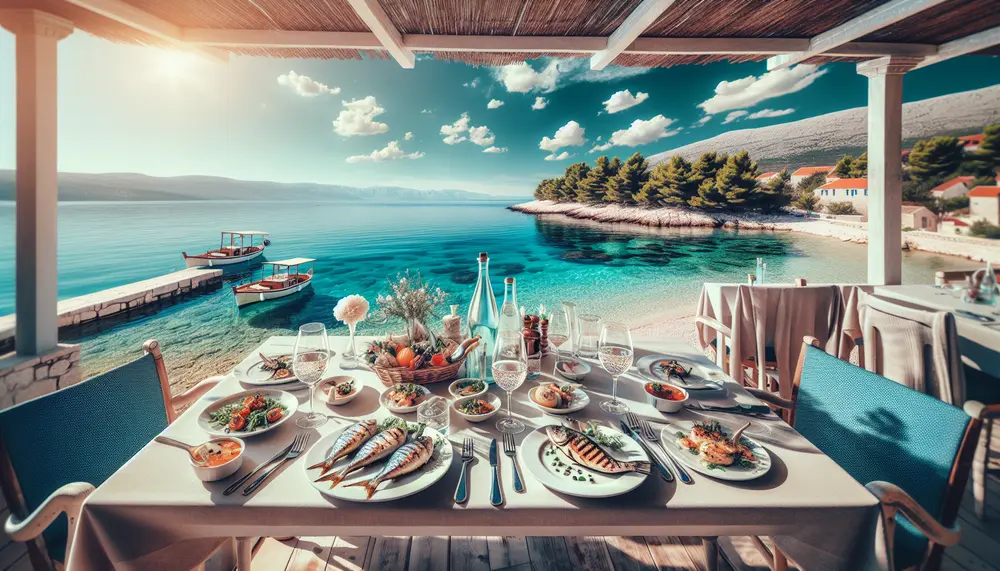
- Adriatic fish — branzino, dentex, and red mullet dominate, typically grilled over wood with olive oil and herbs
- Dalmatian prosciutto (pršut) — air-dried for 12–18 months, noticeably drier and more intense than its Italian counterpart
- Truffles from Istria — the Motovun Forest produces both black and white truffles, the latter rivaling Alba's output in quality
Continental Croatia: Central European Depth and Hearty Tradition
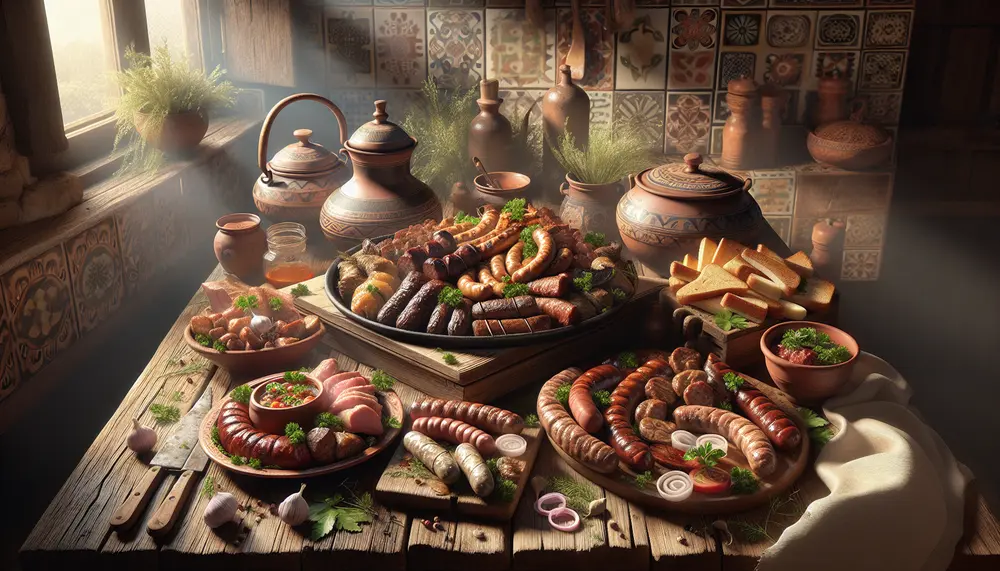
Inland Croatia — primarily Slavonia, Zagorje, and the areas surrounding Zagreb — tells a completely different culinary story shaped by Hungarian, Austrian, and Ottoman influence accumulated over centuries of shifting borders. Paprika is the defining spice here, appearing in kulen (a spiced pork sausage from Slavonia that carries a PDO designation), stews, and meat preparations across the region. Portions are substantially larger, cooking fats shift to lard and butter, and the cuisine centers on pork, freshwater fish from the Drava and Sava rivers, and slow-cooked bean dishes. For travelers planning to eat their way through both regions, a structured overview of what to eat and where helps set practical expectations before arrival.
Zagorje, the hilly region north of Zagreb, operates almost as its own culinary microculture. Štrukli — dough parcels filled with cottage cheese, either baked or boiled — became so culturally significant that they were added to Croatia's intangible cultural heritage list. The region's cuisine shares more with Austrian Styria than with Split or Dubrovnik. Those looking to explore the full spectrum of the dishes that define Croatian identity will find the continental interior consistently underrepresented in mainstream travel coverage despite offering some of the country's most technically complex cooking.
The practical implication for any serious food itinerary: treat coastal and continental Croatia as two separate destinations with distinct dining logic. Expecting Mediterranean lightness in Osijek, or finding rich paprika-laced stews in Hvar, will result in disappointment. The full range of Croatian food and drink only becomes visible when both regions receive equal attention — which most visitors, fixated on the Adriatic, never manage to give.
Iconic Croatian Dishes and the Techniques Behind Them
Croatian cooking is defined not just by ingredients but by methods passed down through generations with near-obsessive precision. Understanding these techniques separates a tourist's impression from a cook's genuine comprehension of what makes this cuisine work. The same lamb shoulder tastes entirely different depending on whether it came from a Dalmatian konoba or a Zagreb household kitchen — and that difference almost always comes down to method, not seasoning.
Slow Fire, Buried Heat: The Peka Tradition
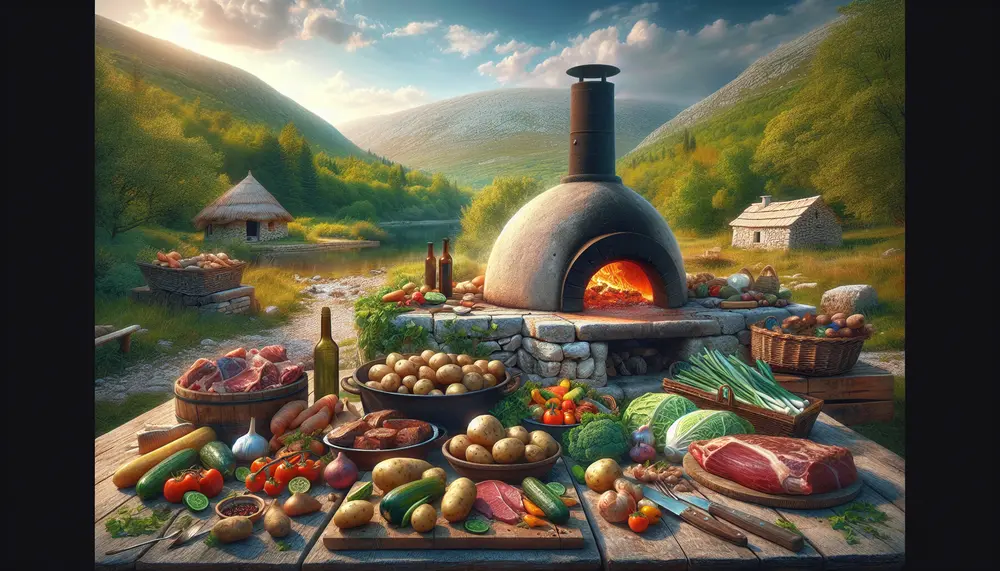
No technique is more emblematic of Croatian cooking than the peka, a cast-iron or terracotta bell-shaped lid used to slow-cook meat and vegetables beneath glowing embers. The process typically runs 90 minutes to 3 hours depending on the protein — octopus needs roughly 90 minutes, while lamb or veal can demand upward of 2.5 hours. What makes it exceptional is the sealed environment: juices recirculate continuously, basting the meat without any manual intervention. The result is a texture that no oven can replicate. If you want to understand what authentic cooking under the bell actually demands in terms of coal management and timing, the regional variations alone could fill an entire chapter. Professionals in Dalmatia often place a thin layer of root vegetables — potato, carrot, onion — directly beneath the meat to act as both flavor base and heat buffer.
The Layered Logic of Croatian Pastry and Meat Dishes
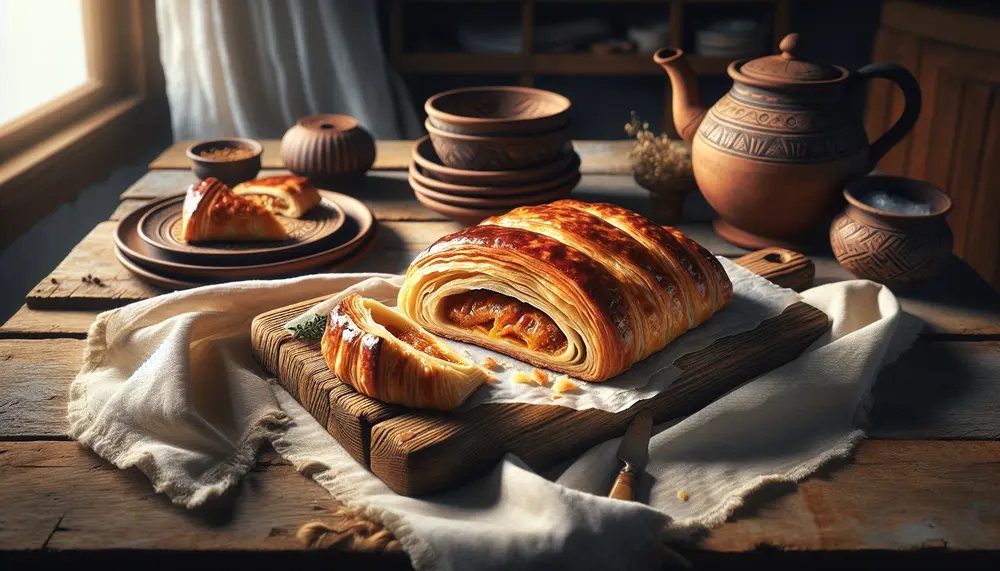
Burek occupies a fascinating middle ground in Croatian food culture — technically an Ottoman inheritance, but so thoroughly absorbed into the daily rhythm of coastal and inland towns that debating its origins feels beside the point. The technique requires working with phyllo-thin yufka dough under constant tension, achieving layers that shatter when fresh but turn leathery within hours if stored improperly. Bosnia-style burek uses minced meat only, while Croatian variants often incorporate cheese or potato. For a detailed breakdown of dough hydration ratios and filling proportions that actually produce a crisp result, the regional approach to burek preparation reveals just how much method variation exists across a relatively small geography.
Croatia's carnivorous tradition runs deep, particularly inland in Slavonia and the Lika region. Kulen, the paprika-heavy cured sausage from Slavonia, ferments for a minimum of 3 months and depends on a precise fat-to-meat ratio of roughly 70/30 to prevent case hardening. Janjetina s ražnja — spit-roasted lamb — requires a pit fire maintained between 180–220°C with steady rotation, ideally over oak or cherry wood for aromatic penetration. For anyone looking to explore the full range of Croatian meat preparation traditions, the contrast between coastal and continental techniques is striking: coast favors simplicity and single-ingredient purity, while inland cooking layers smoke, fat, and spice with considerably more aggression.
Across all of these dishes, the underlying principle is identical: respect the ingredient's natural structure and apply time rather than complexity. Croatian cooks rarely reach for more than 5–6 ingredients in a single preparation. If you want to work directly with original recipes that maintain these traditional ratios and methods, sourcing lard-rendered bases instead of olive oil substitutes will immediately shift the flavor profile closer to the authentic baseline. That single swap alone changes the character of everything from bean stews to roasted meats.
Pros and Cons of Exploring Croatian Cuisine
| Pros | Cons |
|---|---|
| Diverse culinary traditions from coastal and inland regions | Language barriers in rural areas may complicate dining experiences |
| Rich heritage with unique local ingredients | Limited vegetarian and vegan options in traditional menus |
| Affordable dining in local konobas and markets | Tourist restaurants can be overpriced |
| World-class products like truffles and Pag cheese | Inconsistent food safety standards in smaller establishments |
| Emphasis on fresh, seasonal ingredients | Variety in food culture between different regions can be confusing |
Croatian Food Culture: Gastronomy, History, and Local Identity
Croatian food culture is not a monolith — it is a mosaic shaped by centuries of Venetian, Austro-Hungarian, Ottoman, and Byzantine influence, layered over an indigenous Slavic base. This culinary geography divides the country into two fundamentally distinct worlds: the Mediterranean Dalmatian coast with its olive oils, fresh seafood, and slow-braised meats, and the continental interior — Slavonia, Zagorje, and the Lika region — where pork fat, paprika, and hearty stews dominate the table. Understanding this divide is the starting point for anyone serious about Croatian gastronomy.
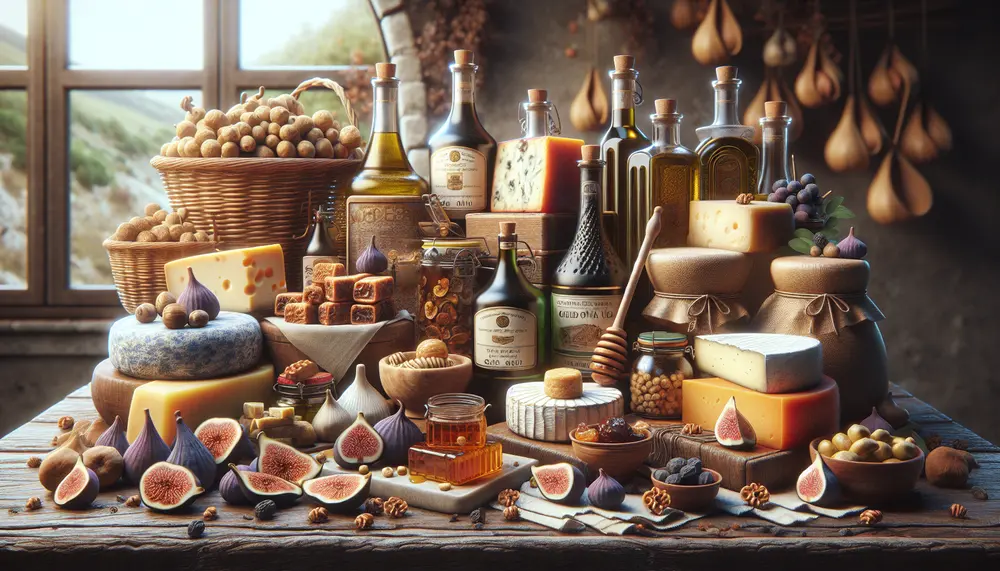
Food in Croatia has always been a statement of local identity. Villages across the country maintain specific recipes as a form of cultural heritage — the Pag island cheese (Paški sir) produced by sheep grazing on wind-salted herbs, the Istrian white truffle harvested near Buzet and Motovun, or the Slavonian kulen, a spiced paprika sausage with Protected Designation of Origin status since 2012. These are not tourist props. They are products embedded in local economy, ritual, and pride. Croatia currently holds over 20 EU quality-labeled food products, a number that has grown significantly over the past decade as regional producers gain formal recognition. To understand how the country's best producers bring these traditions to modern markets, exploring the networks linking Croatian farms to international tables reveals the full scope of this food economy.
The Role of History in Shaping Croatian Menus
The Habsburg period left a deep imprint on northern Croatia — štrukli (cheese-filled pastry), kremšnita (custard cream cake), and the culture of coffee house dining all trace their roots to Vienna. Meanwhile, the Dalmatian coast absorbed centuries of Venetian mercantile culture: the preference for quality olive oil over lard, the use of prstaci (date mussels, now protected), and the tradition of pairing wine with every meal are all Mediterranean inheritances. The Ottoman presence, though shorter-lived in Croatia than in Bosnia, introduced burek variations and the widespread use of lamb, particularly in the hinterland. These layers are not just historical footnotes — they actively define what locals eat today and how they distinguish themselves from neighboring cuisines.
Gastronomy as Living Culture
Croatian gastronomy is increasingly self-aware. Cities like Split have developed vibrant dining ecosystems that balance heritage recipes with contemporary technique — Split's evolving restaurant scene is one of the clearest examples of how a Croatian city is reinterpreting its culinary identity without abandoning its roots. Food festivals such as Marunada (chestnut festival in Lovran) and Dani Sira (cheese days in Pag) draw tens of thousands of visitors annually, functioning as both tourism drivers and community rituals. The deeper you go into this cuisine, the more it rewards — navigating Croatia's full gastronomic landscape requires moving beyond the coastline and into the inland markets, konobas, and family-run agritourism estates where the real culinary character lives.
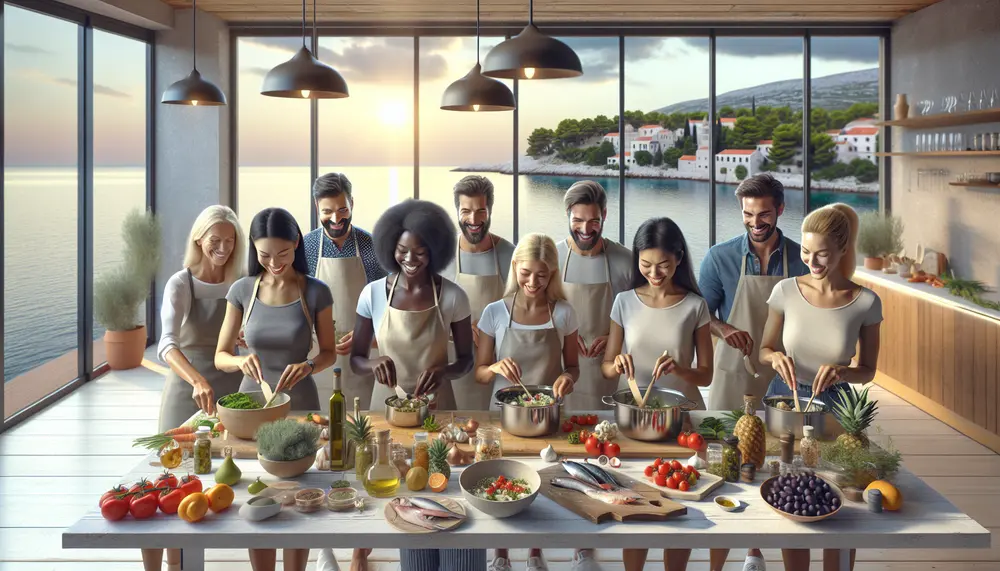
For those who want more than a consumer's experience, Croatia's culinary education infrastructure has grown substantially. Formal programs now exist that teach traditional techniques alongside modern methods — enrolling in a structured cooking program in Croatia gives professional and amateur cooks alike access to regional expertise that cookbooks simply cannot transmit. The hands-on dimension — sourcing ingredients at local markets, working with seasonal produce, learning from chefs rooted in specific regional traditions — turns knowledge into genuine competence.
Food Prices in Croatia: What Travelers and Expats Actually Pay
Croatia's food pricing landscape has shifted significantly since euro adoption in January 2023, and many visitors are caught off guard by costs that now rival parts of Italy or Slovenia — particularly along the Dalmatian coast. The honest picture is more nuanced than most travel blogs suggest: eating well here is absolutely possible without breaking the bank, but only if you understand where the tourist markup ends and real local pricing begins.
Restaurant Prices: The Coastal vs. Inland Divide
In Split or Dubrovnik's old town, a sit-down lunch at a mid-range konoba runs €15–25 per person including a glass of wine. The same meal in Zagreb's Gornji Grad neighborhood or in a village inland near Sinj costs €8–14. This isn't perception — it's a documented pricing tier that locals navigate instinctively. Seafood restaurants on Hvar or Korčula regularly charge €30–50 per person for a full dinner, with grilled fish priced by the kilogram at €35–55/kg for quality species like sea bass or dentex. If you're mapping out your meal budget before arriving, this coastal premium deserves serious attention in your calculations.
Budget eating is genuinely possible through pekara (bakeries) and market stalls. A burek from a local bakery costs €1.20–2.00, a generous portion of roasted chicken from a rotisserie (pečenjarnica) runs €4–6, and a bowl of pašticada at a workers' canteen (kantina) typically falls under €7. These aren't compromises — they're where Croatian food culture actually lives.
Supermarkets, Markets, and Self-Catering Costs
For expats or long-stay travelers cooking at home, Croatian supermarket prices sit roughly 15–25% below German or Austrian equivalents. Konzum and Lidl Croatia are the dominant chains; a weekly shop for two covering basics — olive oil, vegetables, cheese, fish, bread, wine — realistically costs €60–90 in Zagreb, rising to €80–110 in coastal tourist zones during summer. Olive oil, arguably Croatia's finest pantry staple, costs €8–14 for a 750ml bottle of quality Istrian cold-press at source, compared to €18+ in export markets.
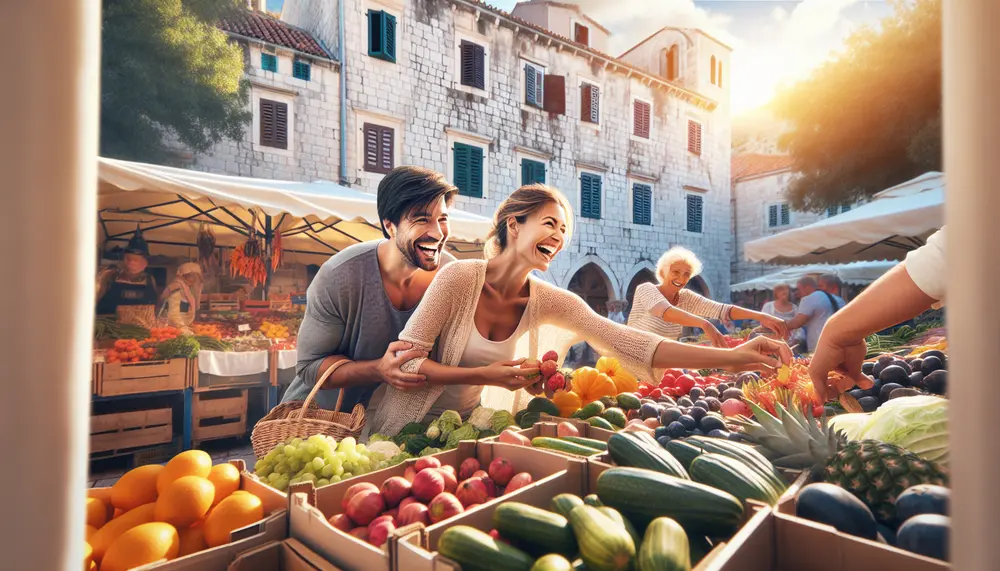
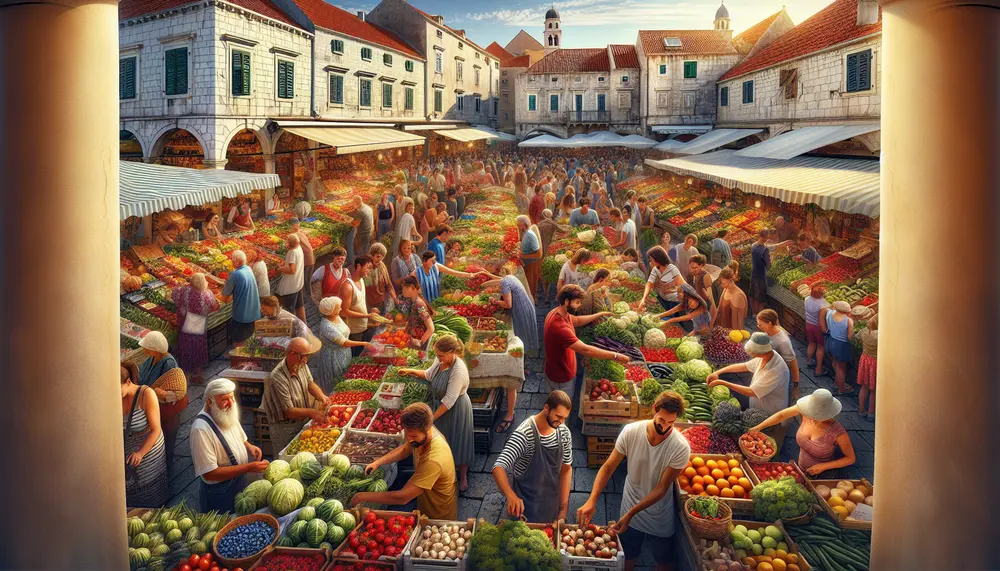
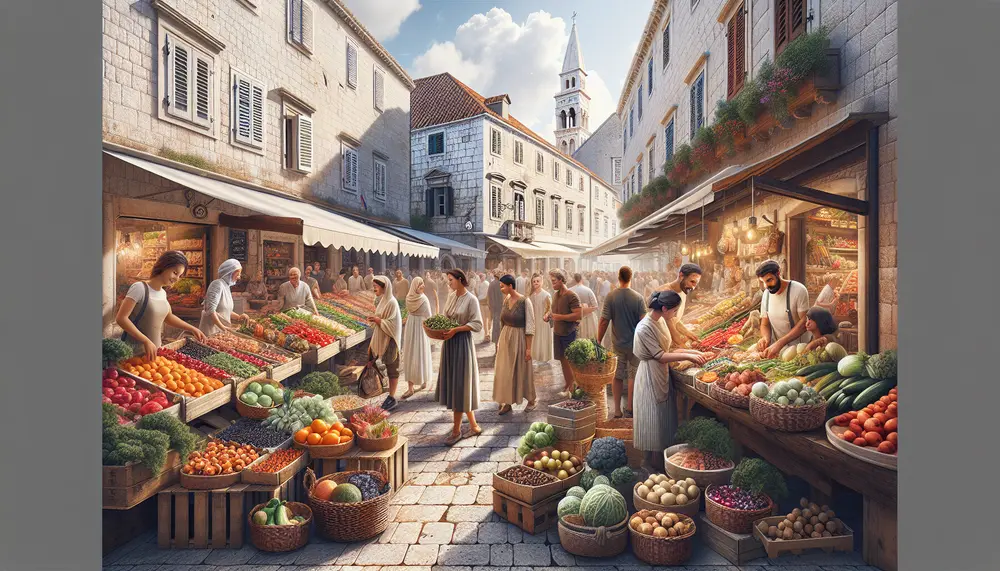
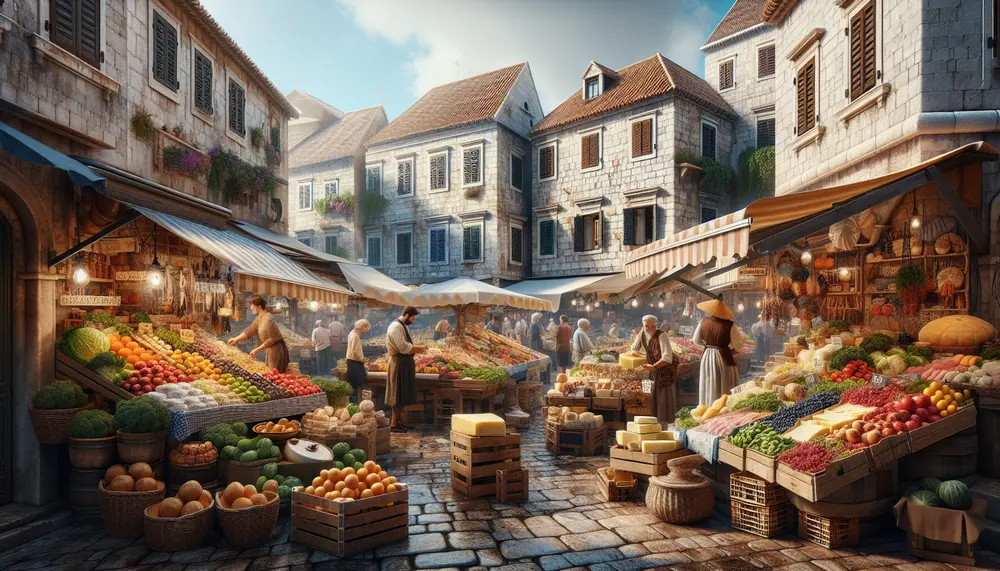
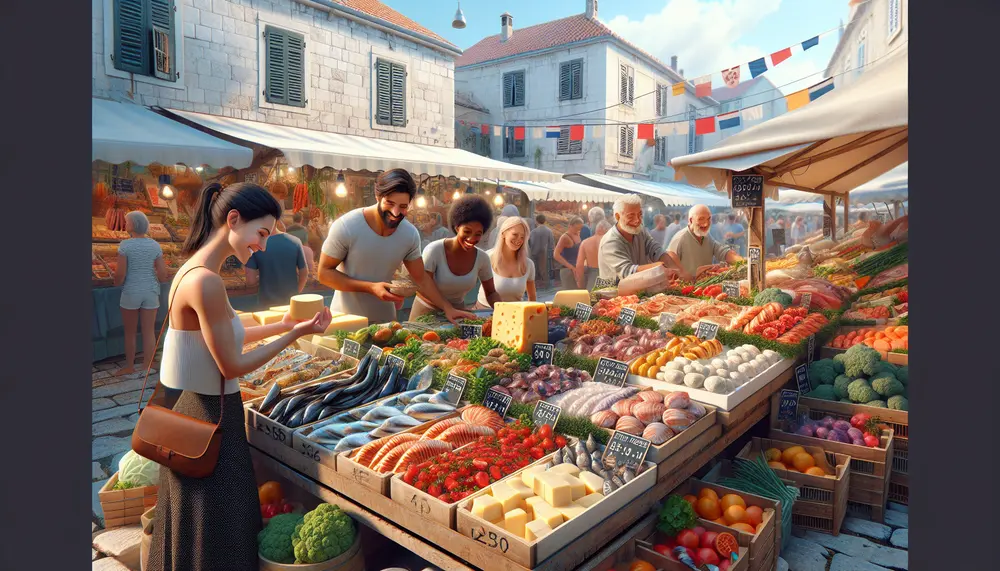
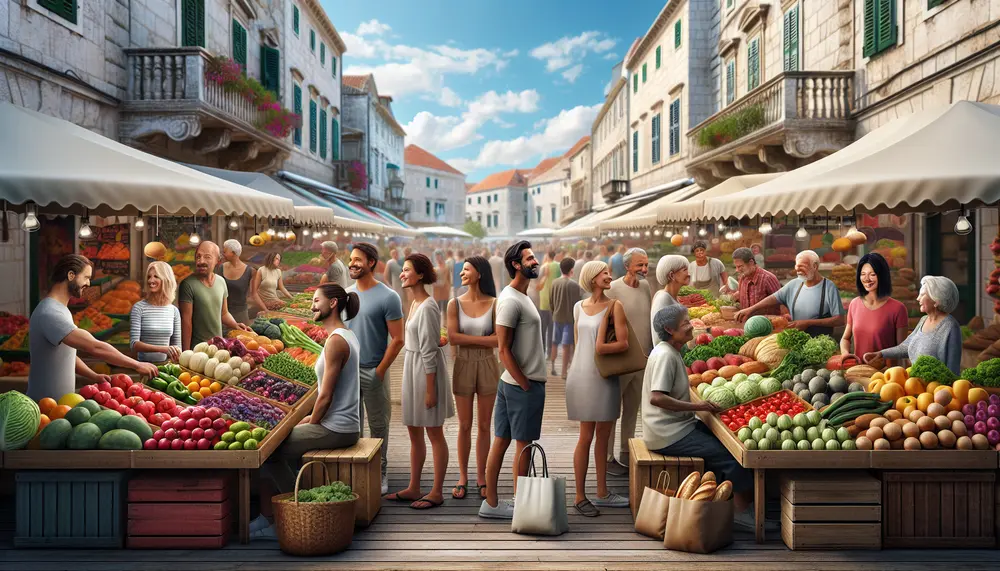
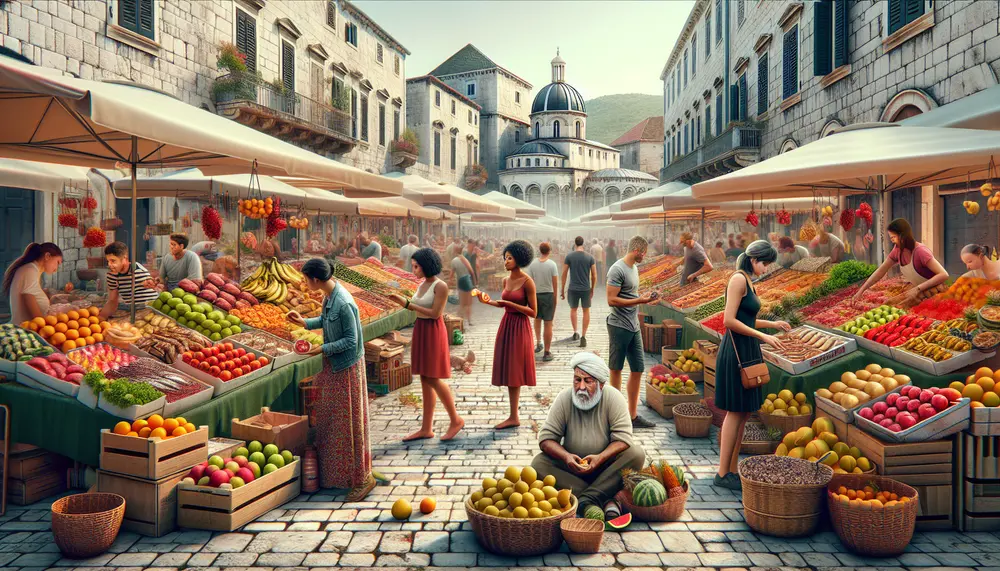
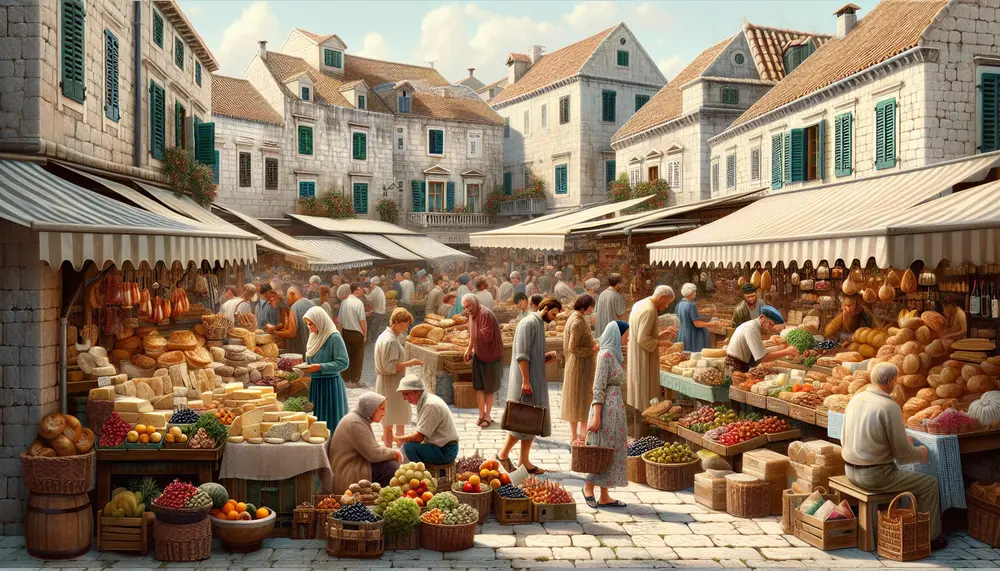
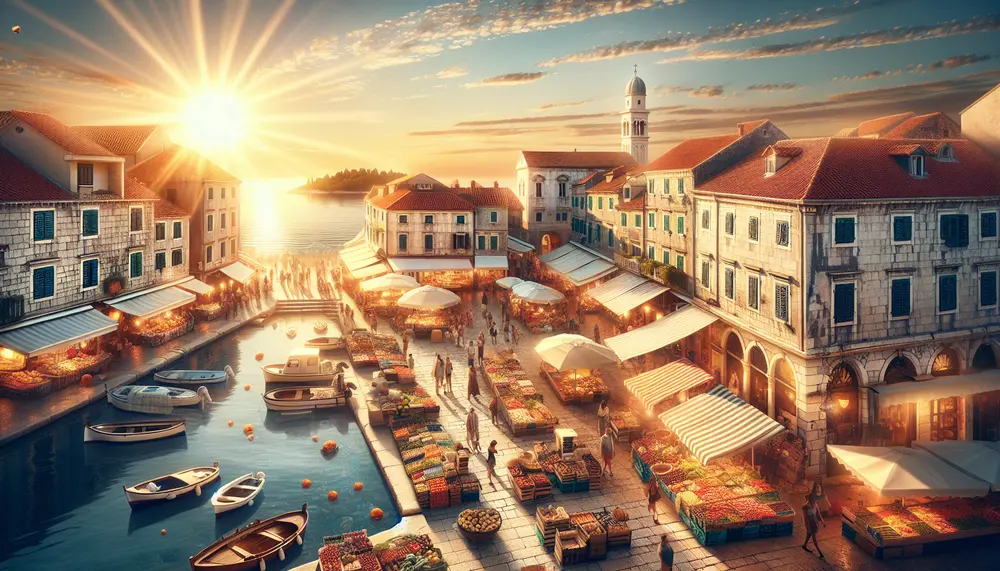
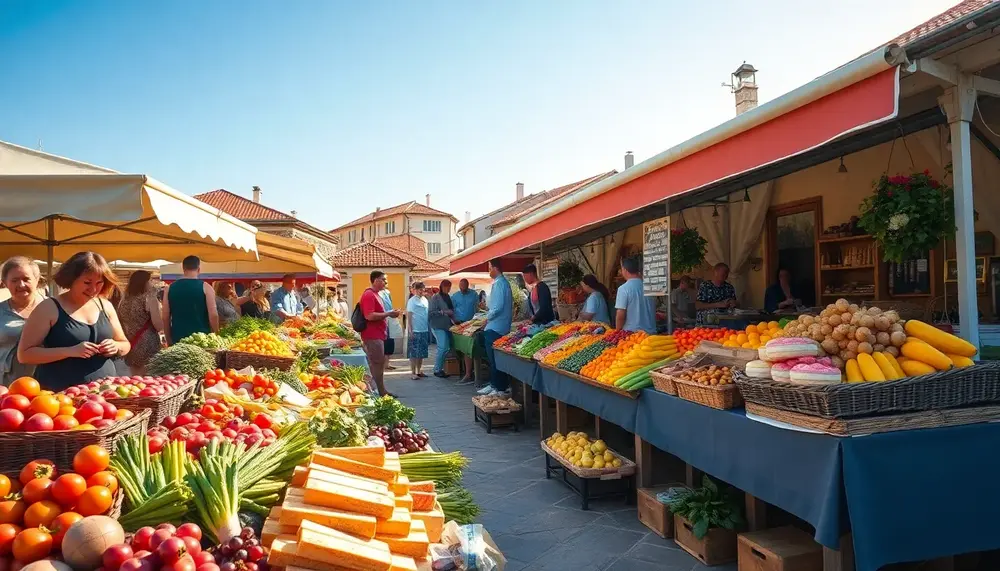
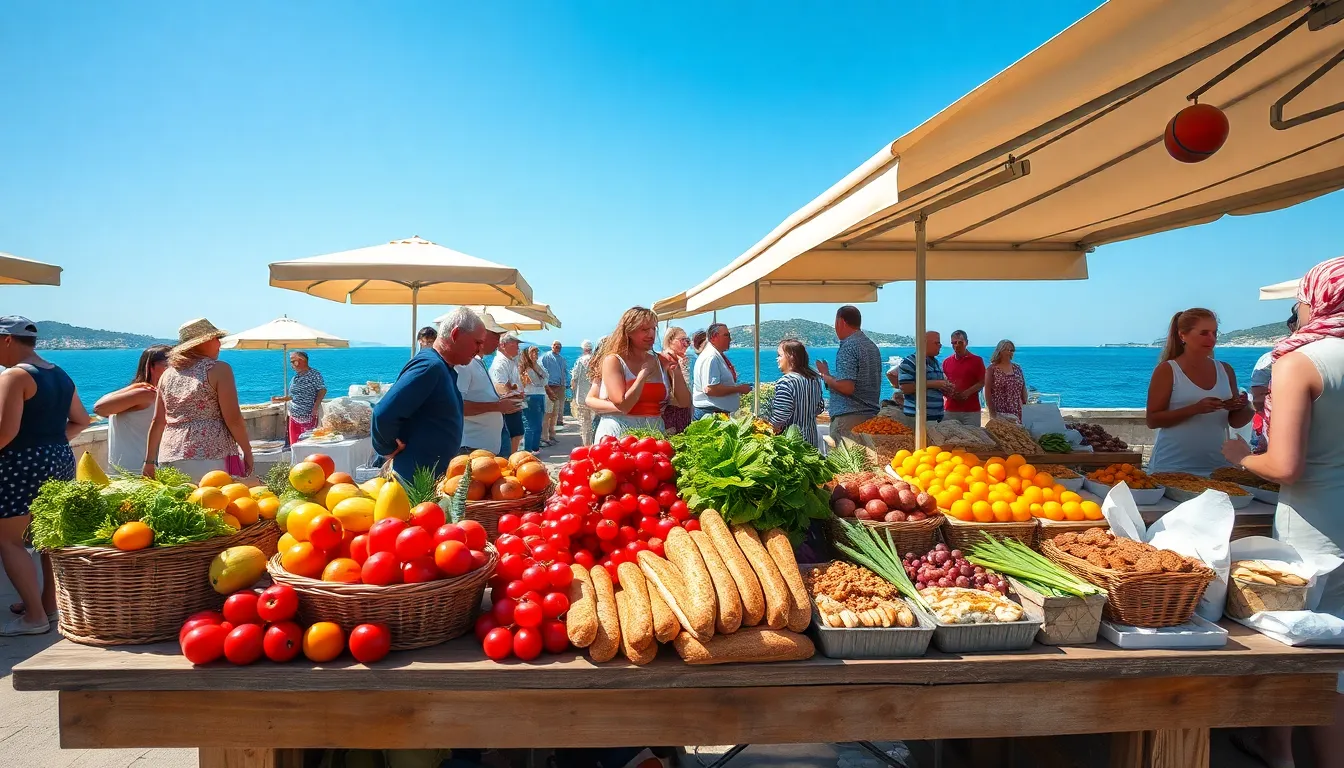
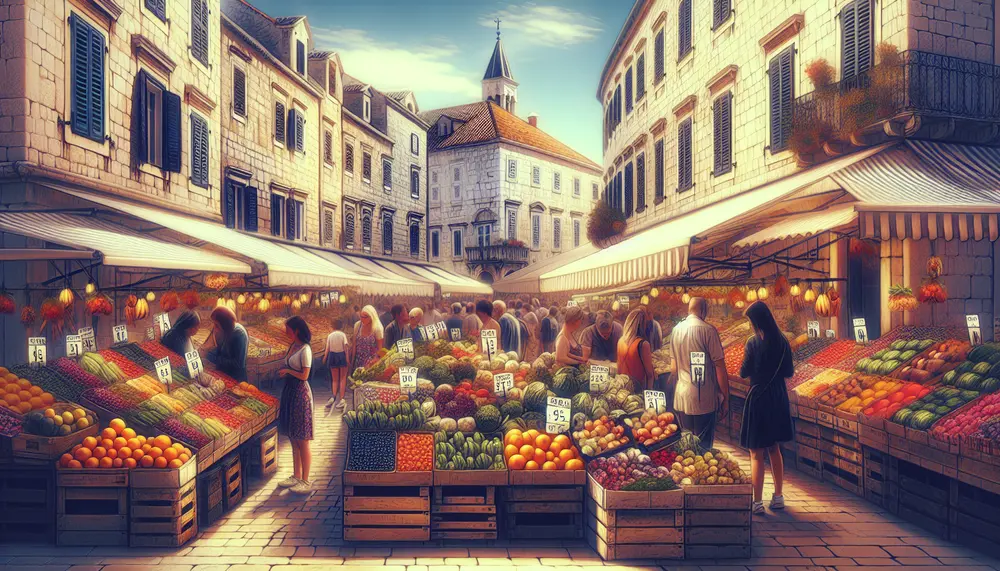
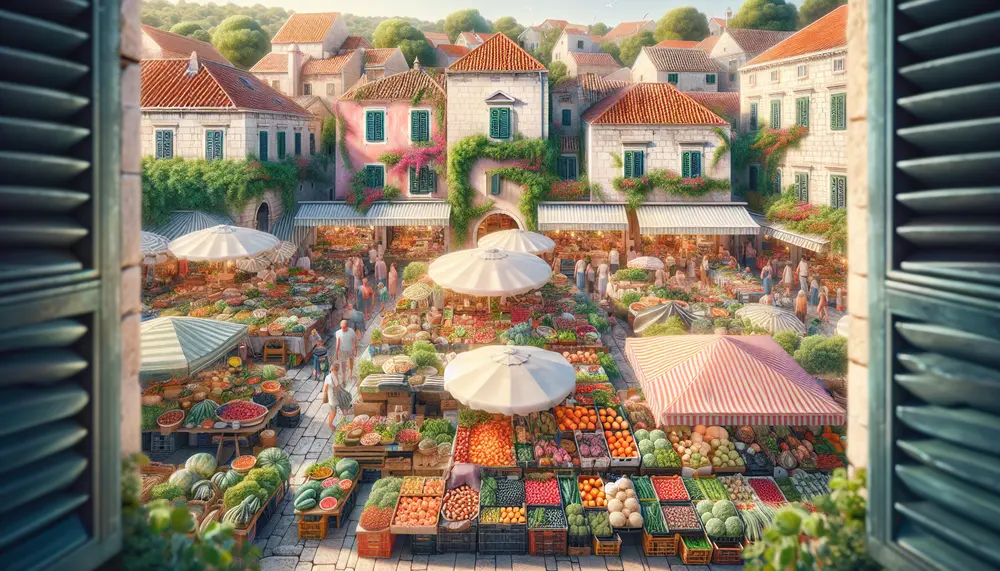
Fresh produce at open-air markets (tržnice) offers the best value and quality simultaneously. Tomatoes in August run €0.80–1.20/kg, figs €1.50–2.50/kg, and local sheep's cheese (paški sir) averages €15–20/kg directly from producers on Pag island. Anyone serious about keeping food costs manageable while eating authentically should prioritize market shopping over supermarket convenience.
Wine pricing deserves special mention. A decent bottle of Plavac Mali or Malvazija from a reputable producer costs €6–12 at a wine shop or directly from the winery — yet the same bottle appears on restaurant menus at €25–45. House wine (vino točeno) served by the deciliter remains the insider move: €1.50–2.50 per 2dl glass at most konobas, often better quality than the bottled tourist options. For a comprehensive breakdown of what drinks actually cost across different settings, the full pricing guide covering beverages and dining covers the specific numbers in detail.
The single most important variable in Croatian food costs isn't the season or the region — it's whether you're eating where Croatians eat. Restaurants with multilingual menus displayed outside and photos on the menu card operate on a different economic model than the unmarked konoba down a side street. Realistic expense planning for a Croatian food trip should allocate €25–35 per person daily for a genuine mix of market snacks, one sit-down meal, and drinks — achievable without sacrificing quality if you follow local logic rather than tourist infrastructure.
Budget Eating Strategies: Konobas, Markets, and Local Hacks
Croatia's reputation as an expensive Mediterranean destination obscures a practical truth: eating well on a tight budget here is entirely achievable, provided you know where to look and when to sit down. The tourist-facing restaurants along Dubrovnik's Stradun or Split's Riva promenade will drain your wallet fast — a grilled fish plate can hit 180 HRK (approximately €24) without wine. Step two streets inland, and the economics shift dramatically.
The Konoba Principle: Eating Where Locals Actually Eat
Konobas — traditional Croatian taverns, typically family-run — are the cornerstone of affordable, authentic eating. Unlike tourist restaurants with laminated menus and photos of every dish, a genuine konoba often has a handwritten board, a single daily special (dnevni ručak), and no English-speaking host waiting at the door. This daily lunch menu is your primary weapon: in most konobas across Dalmatia and Istria, a two-course lunch including soup, a meat or fish main, bread, and sometimes a small salad runs between 60–90 HRK (€8–12). Split's Varoš neighborhood, Šibenik's old town backstreets, and Rovinj's upper quarter all harbor these gems. Those exploring the most rewarding low-cost meals in the country consistently report that konobas outside the main tourist drag deliver the best value-to-quality ratio across the board.
Timing matters as much as location. Croatians eat lunch between 12:00 and 14:00 — arrive outside this window and the daily menu disappears. Order pljukanci (hand-rolled Istrian pasta) or pašticada (Dalmatian slow-braised beef) from the à la carte menu and you'll pay 30–50% more for essentially the same kitchen.
Markets, Supermarkets, and Self-Catering Intelligence
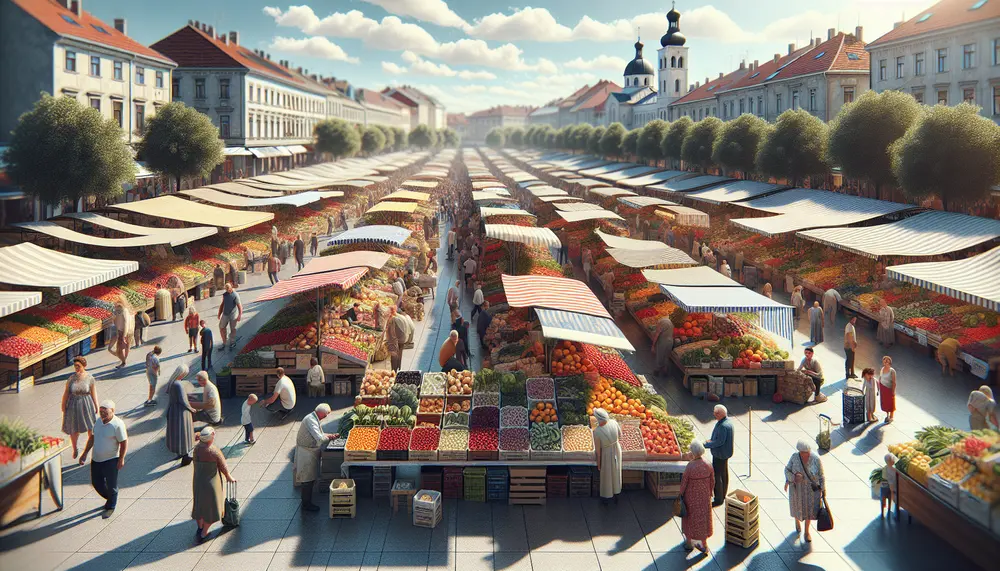
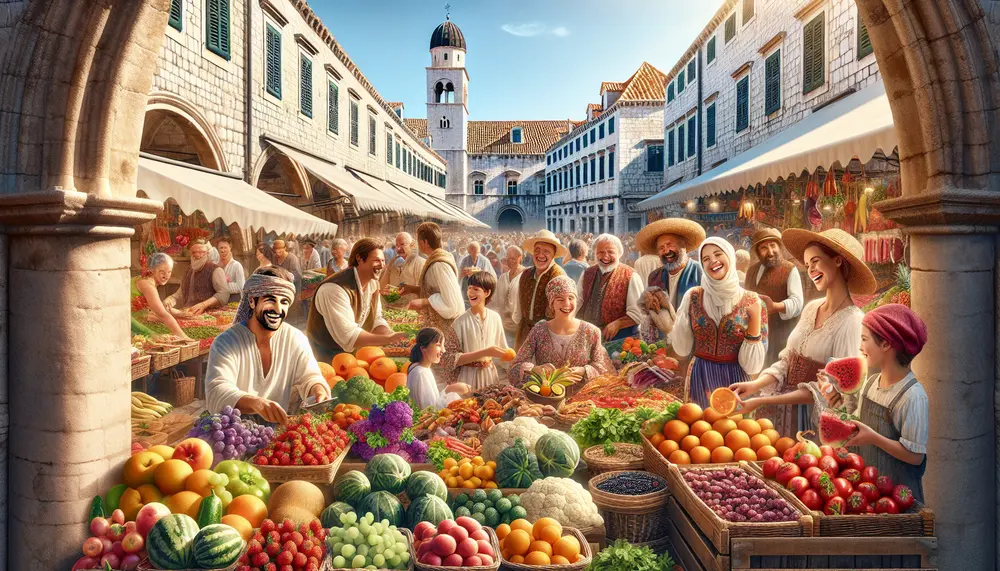
Croatia's open-air markets (tržnice) are not just picturesque — they're functionally cheaper than any supermarket for fresh produce, cheese, and cured meats. Zagreb's Dolac market, operating since 1930, sells locally grown tomatoes, figs, and pršut (Dalmatian prosciutto) directly from producers. Arriving 30 minutes before closing at 13:00 typically yields informal price reductions. For a broader look at navigating Croatian retail food culture, the retail landscape here rewards those who understand the difference between supermarket chains: Lidl and Kaufland consistently undercut Konzum and Tommy on packaged goods by 15–25%.
Self-catering strategies that actually work in Croatia:
- Buy sir i vrhnje (fresh cottage cheese with cream) at markets for under 15 HRK — a complete breakfast with bread
- Island ferries often have on-board cantinas selling cheap grilled sandwiches; skip the overpriced port-side cafés
- Bakeries (pekare) sell burek, sirnica, and zeljanica for 8–15 HRK — a filling meal at any time of day
- Konoba house wine (vino otvoreno) poured by the carafe costs a fraction of bottled options
Understanding how to manage your overall food spending across a Croatian trip requires planning around regional price differences — Istria runs roughly 20% cheaper than Dubrovnik for equivalent meals. Those who want to go deeper into sourcing quality local ingredients independently will find that knowing where to shop for artisan and regional Croatian products opens up an entirely different tier of affordable eating that most tourists never discover.
Dietary Requirements and Food Safety Across Croatia
Croatia's food scene has evolved significantly over the past decade, but it remains fundamentally rooted in meat-heavy Dalmatian and continental traditions. Travelers with specific dietary needs will find that major tourist hubs like Dubrovnik, Split, and Zagreb have adapted reasonably well to international expectations, while rural areas and smaller islands still present real challenges. Understanding the landscape before you arrive saves frustration and ensures you eat well throughout your trip.
Navigating Special Diets in a Traditional Food Culture
Vegetarians and vegans face the steepest climb. Croatian menus typically treat meat as the default, with vegetables appearing primarily as sides or within stews like maneštra. In Zagreb, neighborhoods like Gornji Grad now host dedicated vegan restaurants, and coastal cities increasingly offer plant-based adaptations of traditional dishes. Budget roughly 20–30% more time when scanning menus and always ask directly — the phrase "bez mesa" (without meat) gets results faster than "vegetarijansko."
Celiac travelers and those avoiding gluten face a specific risk with Croatian cuisine: peka and many broths use flour-based thickeners, and štruklji (dough dumplings) appear across both coastal and inland menus without obvious labeling. Dedicated gluten-free bakeries have opened in Split and Rovinj, and supermarket chains like Konzum stock certified gluten-free pasta and bread. For a thorough breakdown of safe options and ingredient landmines, the comprehensive overview of gluten-free dining across Croatian regions covers specific restaurants, products, and seasonal availability in practical detail.
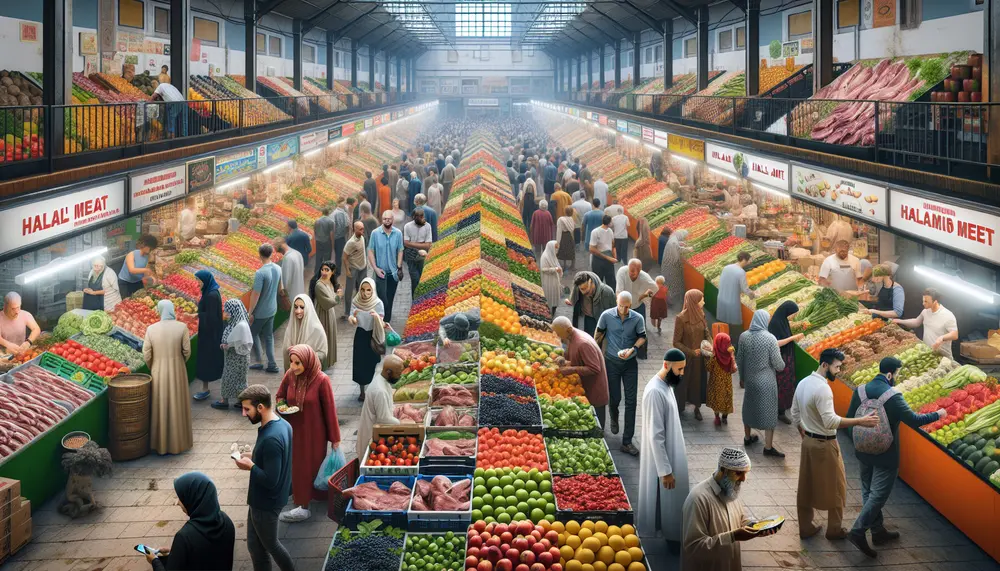
Muslim travelers will find the situation more nuanced than in Western European capitals. Halal-certified restaurants are concentrated in Zagreb, with a smaller but growing presence in Split and coastal resort towns. Lamb and veal dishes prepared in the traditional Croatian way are frequently acceptable in practice, but certification is inconsistent. The dedicated resource on halal-compliant eating throughout Croatia maps certified establishments and identifies which traditional dishes align with halal standards by default.
Allergen Awareness and Food Safety Standards
Croatia operates under EU allergen labeling regulations (Regulation EU 1169/2011), meaning the 14 major allergens must be declared on packaged foods and available upon request at restaurants. In practice, staff training varies widely — upscale restaurants in tourist centers generally handle allergen queries professionally, while smaller konobas may lack written documentation. Always ask for written allergen information rather than relying on verbal assurances, particularly for shellfish and tree nuts, which appear unexpectedly in Dalmatian sauces. Anyone managing multiple food allergies should review the practical strategies for handling allergies across different Croatian dining contexts, which addresses language barriers, cross-contamination risks, and how to communicate needs clearly in Croatian.
Tap water is safe to drink in virtually all Croatian municipalities — Zagreb's water consistently ranks among Europe's cleanest by WHO metrics. Coastal restaurant hygiene standards are enforced by the Croatian Food Agency (HAPIH), though inspections intensify during summer season. Raw shellfish like kamenice (oysters) from the Ston region are a particular area of attention; they're genuinely exceptional, but only consume them from reputable establishments that source certified stock. For travelers wanting a complete picture of standards, inspection frequency, and what to watch for across different establishment types, the detailed guide to food safety practices and risks in Croatia provides concrete benchmarks and red flags worth knowing before you sit down to eat.
- Pork derivatives appear in unexpected places — lard (mast) is a traditional cooking fat in Slavonia and Zagorje
- Seasonal fish menus change daily; always ask what arrived that morning rather than trusting printed cards
- Wild foraged ingredients (mushrooms, herbs) are common in autumn menus — sourcing quality varies by restaurant
- Dairy is embedded in most pastries, sauces, and many risotto preparations even when not listed prominently
FAQ about Croatian Cuisine
What are the main regional cuisines in Croatia?
Croatian cuisine is primarily divided into two regions: the coastal Mediterranean cuisine characterized by olive oil, fresh seafood, and lighter dishes, and the inland continental cuisine, which features hearty stews, paprika, and lard-based cooking.
What iconic dishes should I try in Croatia?
Must-try dishes include "pašticada" (slow-braised beef), "burek" (savory pastry), "kulen" (spiced sausage), "štrukli" (cheese-filled pastry), and fresh Adriatic fish grilled with herbs.
Is Croatian cuisine suitable for vegetarians and vegans?
While traditional Croatian cuisine is heavily meat-based, larger cities offer more vegetarian and vegan options. However, it may require more effort to find suitable dishes in rural areas.
What factors influence food prices in Croatia?
Food prices can vary significantly based on location, with coastal areas being generally more expensive than inland regions. Local markets offer better value and are preferred for fresh produce and traditional foods.
What is the significance of food in Croatian culture?
Food in Croatia is deeply tied to local identity and heritage, with specific dishes representing regional pride. Traditional recipes are preserved as a means of showcasing cultural history and community values.