
Table of Contents:
Why Busabout Makes Sailing Croatia Easy
Busabout makes sailing Croatia easy by removing much of the planning work before you reach the coast. You do not need to build a route between islands, compare marina transfers, or work out how to meet other travellers. The organised sailing format brings transport, accommodation, and a ready-made social setting together in one booking.
This matters in Croatia because the islands are close on a map but less simple to connect in practice. Public ferries follow fixed timetables, smaller bays have no regular service, and summer demand can make last-minute rooms expensive. With an organised sailing trip, the boat becomes your moving base. You unpack once, wake near a new island, and spend less time solving logistics.
The schedule also gives each day a useful rhythm. Sailing usually takes place during daylight, while evenings are reserved for time ashore or on board. That balance lets you see more of the Adriatic without turning the trip into a rushed checklist. Plans may change with weather, port access, or local conditions, but the crew can adjust the route faster than an individual traveller managing several separate bookings.
There is another practical advantage: shared decision-making. Travellers can ask the crew about swimming conditions, local restaurants, shore excursions, and the best time to enter a port. First-time sailors get guidance without needing specialist nautical knowledge. You can simply enjoy the water, join the group, or take a quieter hour when you need it.
Busabout is especially useful for people who want independent travel with a safety net. The trip has a social structure, yet it does not require you to plan every dinner or activity with strangers. Join in when the mood strikes, keep your own pace when possible, and let the route handle the awkward bits. It is not completely effortless—boats have limited space, shared areas, and set departure times—but that small trade-off buys a smoother Croatian adventure.
What to Expect on a Busabout Croatia Sailing Trip
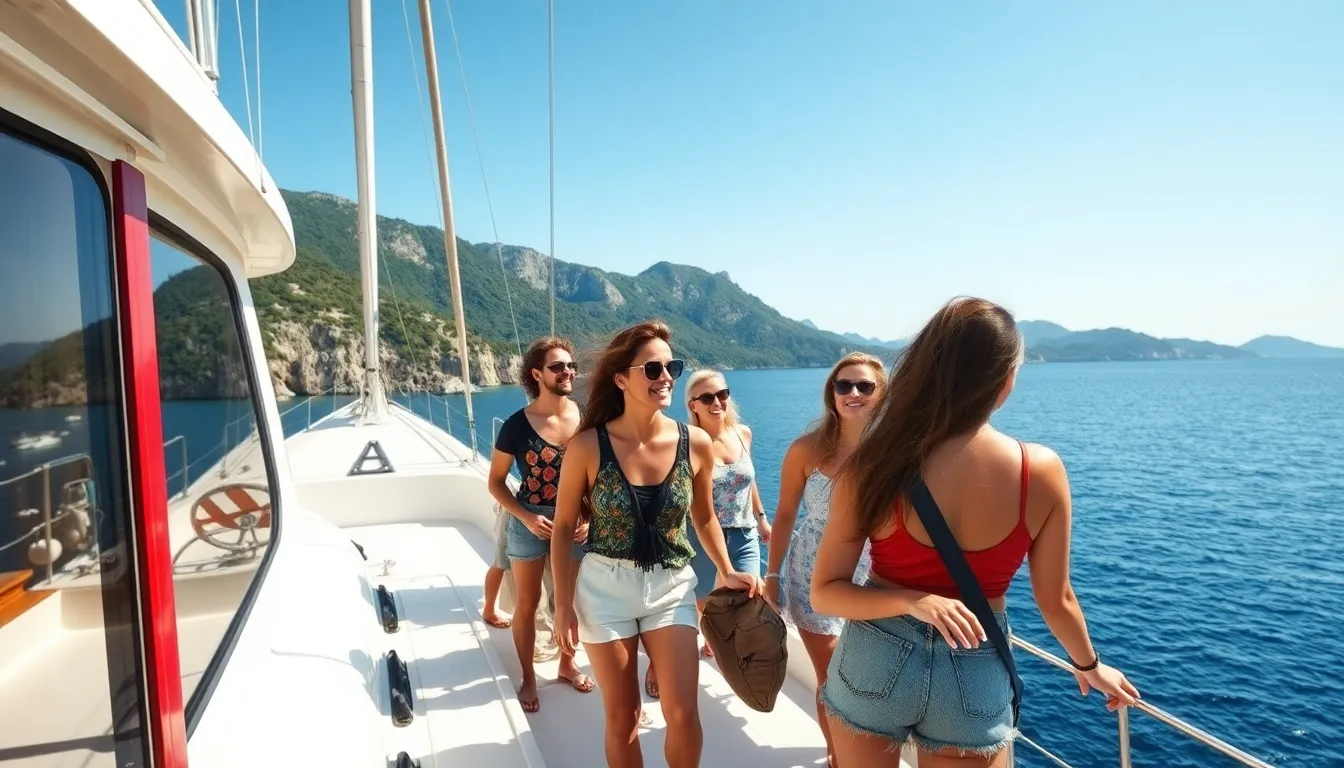
A Busabout Croatia sailing trip feels more like a moving holiday base than a standard cruise. You stay aboard a small sailing vessel, share common spaces with other travellers, and follow a set coastal plan shaped by the skipper and local conditions. Expect a relaxed routine, practical comfort, and plenty of time outdoors.
Your days normally begin with a briefing. The crew explains the plan, safety points, and any changes before the boat gets under way. You may help with simple onboard routines, such as keeping walkways clear or following quiet-hour rules. No sailing experience is needed, but flexibility is part of the deal.
Cabins are usually compact. Storage can be limited, and bathrooms are shared or smaller than those in a hotel. A soft travel bag works better than a hard suitcase because it can fit beneath a bunk. Bring quick-drying clothes, a refillable bottle, reef-safe sun protection, and a light layer for breezy evenings.
Meals depend on the specific trip and vessel. Some departures include selected meals, while others leave more room for independent dining in port. Check the current trip details before booking, especially if you have allergies, follow a special diet, or want to control your food budget. Local markets and small waterfront restaurants can add character, but opening hours may change outside peak summer.
Onboard etiquette makes a noticeable difference. Keep showers short, avoid blocking shared areas with wet towels, and respect sleeping passengers after late nights ashore. Sea legs can take a little time, too. If you feel uneasy, sit near the centre of the vessel, look toward the horizon, and follow the crew’s advice.
- Expect early briefings and occasional schedule changes.
- Pack light because cabin storage is limited.
- Bring motion-sickness tablets if you are unsure how you handle open water.
- Carry cash or a payment card for small shore purchases.
- Tell the crew about medical needs before departure.
The result is informal, close-knit travel with fewer hotel-style comforts. You wake to the sound of water, share the deck with people from different places, and experience the coast at a slower, saltier pace.
Busabout Croatia Sailing: Key Benefits and Considerations
| Aspect | Advantages | Considerations |
|---|---|---|
| Planning | Routes, accommodation, transport, and social activities are combined in one organised trip. | The itinerary is structured, so travellers have less control over the daily schedule. |
| Island hopping | The boat provides a moving base for visiting destinations such as Hvar, Brač, Vis, Šolta, and Korčula. | Stops and routes may change because of weather, port access, or local conditions. |
| Social experience | Shared cabins, deck time, and group activities make it easy for solo travellers to meet people. | Limited privacy and shared spaces may not suit travellers seeking a quiet or private holiday. |
| Swimming and outdoor activities | Travellers can access hidden bays, rocky coves, and clear Adriatic waters directly from the boat. | Swimming conditions depend on sea conditions, and many stops have no changing facilities or shops. |
| Onboard comfort | Guests wake near a new island and avoid repeatedly packing and unpacking hotel luggage. | Cabins are compact, storage is limited, and bathrooms may be shared or smaller than hotel facilities. |
| Nightlife | Routes can include lively destinations such as Hvar and Split, as well as relaxed island bars. | Cover charges, boat taxis, drinks, and popular venues can increase the overall budget. |
| Travel requirements | No sailing experience is required, and the crew provides briefings and practical guidance. | Guests must follow safety instructions, respect shared-space rules, and adapt to changing plans. |
| Best suited to | Solo travellers, couples, and friends who enjoy outdoor adventure, flexibility, and group travel. | Less suitable for travellers who prioritise luxury, complete privacy, or a fixed routine. |
The Best Croatian Islands on the Route
The route’s real appeal lies in its contrast. Each stop offers a different version of the Adriatic, from lively harbour towns to quiet coves and pine-covered hills. The exact island order can change, so treat the following places as route highlights rather than a fixed promise.
Hvar brings the most polished blend of history, views, and evening energy. Walk up to the Spanish Fortress for a wide look over the harbour, then explore the stone lanes around St Stephen’s Square. Hvar Town suits travellers who want atmosphere after sunset, while nearby bays offer a calmer daytime escape.
Brač is known for Zlatni Rat, the striking beach near Bol. Its narrow tip changes shape with wind and currents, making it one of the coast’s most recognisable sights. The island also has a strong stone-cutting tradition, and inland villages feel markedly quieter than the waterfront.
Vis rewards travellers who prefer a less polished mood. It was closed to foreign visitors for decades because of its military role, which helped preserve a slower character. Visit Komiža for a working-harbour feel, or explore the island’s coves and vineyards. Vis is also a common base for excursions toward the Blue Cave on nearby Biševo, although access depends on sea conditions and local rules.
Šolta offers a gentler stop close to Split. Olive groves, dry-stone walls, and small fishing villages replace the bustle of larger ports. It is a good place to notice everyday island life: local produce, quiet lanes, and swimming spots that do not need a grand introduction.
Korčula combines a handsome old town with a long wine-making tradition. Its narrow medieval streets were designed to improve airflow and reduce exposure to strong winds. In the wider island, vineyards and wooded roads create a greener landscape than many visitors expect from a Dalmatian itinerary.
- Choose Hvar for historic streets and a lively evening scene.
- Look to Brač for a famous beach and active coastal days.
- Pick Vis for rugged scenery, wine, and a slower pace.
- Use Šolta for a peaceful glimpse of local island life.
- Explore Korčula for architecture, food, and inland vineyards.
These islands work well together because they are not carbon copies. One gives you a lively square, another a quiet harbour, another a dramatic swim. That variety turns a short sailing route into a memorable slice of Croatia rather than one long beach day.
Life on Board: Cabins, Boats, and Daily Comfort
Life on board is compact, communal, and shaped by the boat itself. The vessel is not simply a place to sleep between island visits. It becomes your dining room, sun deck, lookout point, and social space, so small habits have a big effect on comfort.
Cabin layouts vary by departure. You may find twin, double, or bunk-style rooms, while some cabins have private bathrooms and others use shared facilities. Check the exact boat description before paying a deposit. A room near the bow can feel more movement at sea; cabins closer to the centre often feel steadier.
Ventilation matters during warm Croatian nights. Some rooms rely on air conditioning, while others use hatches or fans. Keep doors and windows secure when the boat is moving, and never leave wet swimwear on mattresses. A compact hanging organiser, a sleep mask, and earplugs can make a surprisingly large difference.
Water and electricity require sensible use. Fresh water tanks are limited, and long showers are not practical. Charging points may be shared, so a small power bank is useful. Avoid bringing high-energy appliances such as hairdryers unless the operator confirms they are allowed. Marine electrical systems are not built for every device.
Movement around the vessel also needs care. Wear shoes with clean, non-marking soles on deck, hold the rail when the boat is underway, and keep bags away from hatches and steps. A dry bag protects phones, passports, and cameras from spray—a tiny item, but a lifesaver when the sea gets playful.
- Confirm the cabin type, berth arrangement, and bathroom setup.
- Bring a soft bag rather than bulky luggage.
- Use a dry bag for valuables on deck.
- Pack a power bank and keep charging gear tidy.
- Choose non-slip footwear suitable for wet surfaces.
- Follow crew instructions around ropes, rails, and moving equipment.
Daily comfort comes less from luxury and more from preparation. Keep your sleeping area uncluttered, rinse salt from your skin, and let wet items dry in approved places. Once everyone treats the boat as shared territory, the limited space feels far less restrictive—and the deck becomes the best room on board.
Swimming Stops, Hidden Bays, and Island Adventures
Swimming stops are often the most memorable part of a Busabout Croatia sailing trip. Instead of using only crowded town beaches, the crew can anchor near quieter coves, rocky inlets, and clear stretches of open water. Conditions decide the final choice, but the aim is simple: step from the boat into clean Adriatic water with no long transfer involved.
Many swim locations have no changing rooms, shops, or paved paths. Bring your swimsuit under your clothes, keep sandals nearby, and use a dry bag for your phone. Entry may be from a swim platform, ladder, or low rock shelf. Check the depth before jumping, especially where the seabed is hard to see.
The sea looks calm, yet local details matter. Sea urchins often live on shallow rocks, so water shoes can protect your feet. Strong sun reflects from the surface, making shoulders and the back of the neck easy to miss. Reapply water-resistant sunscreen after swimming and drink regularly, even when the breeze feels cool.
Island adventures do not end at the waterline. Depending on the stop, you might paddle along a cliff, walk a coastal trail, cycle between villages, or explore a sea cave with a local guide. Some activities need advance booking, while others work best with no plan at all. Keep a little free time; the best detours are sometimes gloriously unorganised.
- Wear reef-safe sunscreen and protect sensitive skin with a light shirt.
- Use water shoes around rocky entries and shallow reefs.
- Never jump until the crew confirms the depth and landing area.
- Take all food packaging and personal items back to the boat.
- Respect nesting birds, marine life, and marked protected areas.
- Ask before using fins, masks, paddleboards, or other onboard gear.
Responsible swimming protects the very places that make these stops special. Do not touch coral-like formations, chase fish, or collect shells. Croatia’s coastal waters are part of a living ecosystem, not a private playground. A careful visitor leaves only small ripples behind.
Nightlife Highlights in Hvar, Split, and Beyond
Nightlife in Croatia changes character from port to port. Hvar offers polished evening venues, Split adds a larger city scene, and smaller islands bring low-key bars where the night may revolve around one waterfront table. Your Busabout trip can make it easy to sample all three moods without turning every evening into a major expedition.
In Hvar Town, begin around the harbour and central square before moving to a cocktail bar, wine lounge, or late venue. Carpe Diem Beach, on the Pakleni Islands, is a well-known seasonal option reached by boat taxi from Hvar. Check opening dates and return times before going, since summer schedules and admission policies can change. Smart-casual clothing works better here than beachwear after dark.
Split feels more varied. Start with a drink near the Riva, then explore the stone lanes around Diocletian’s Palace, where bars occupy spaces inside and beside the ancient complex. Bačvice is another popular evening area, especially for travellers who want music and a livelier crowd. Noise rules and venue hours can shift, so do not assume every place stays open until sunrise.
Smaller ports offer a different reward. A family-run konoba may serve local wine, while a harbour bar fills slowly with crew members, residents, and travellers. These evenings are less about headline venues and more about atmosphere: warm stone, sea air, and conversations that stretch longer than planned.
- Carry photo identification; venues may check age at the door.
- Use licensed taxis or official boat transfers after late nights.
- Keep your return time visible if the group leaves port early.
- Respect local noise rules, especially near homes and historic districts.
- Book popular clubs or beach venues in advance during July and August.
- Keep drinks supervised and agree on a meeting point with friends.
Budget for cover charges, boat taxis, and higher prices in famous harbour areas. A quieter bar away from the waterfront can offer better value and a more local feel. Choose one strong night, leave room for spontaneous stops, and protect your sleep when the next sailing starts early.
How Busabout Builds a Social Travel Experience
Busabout creates a social travel experience through shared time, not forced entertainment. Travellers spend several days in the same small group, so meeting people feels more natural than it does on a short excursion. Friendships often begin with simple moments: learning names, sharing music, or comparing plans for the next stop.
The crew helps the group connect without making every activity compulsory. They may suggest team games, local meet-ups, or casual group dinners, while leaving space for private time. That balance matters. Social travel works best when joining in feels easy and declining feels completely normal.
Different personalities usually find their place. Solo travellers can enter conversations quickly, couples can enjoy group activities without losing independence, and friends can meet people beyond their own circle. The shared setting also creates a useful rhythm: after a few days, asking “What are you doing later?” becomes effortless.
Good group culture depends on small choices. Include quieter guests, avoid taking over shared areas, and ask before adding music or changing plans. Respect for different ages, cultures, budgets, and energy levels keeps the atmosphere welcoming. Nobody needs to be the loudest person on the boat.
- Introduce yourself early and learn a few names.
- Invite others into conversations without pressuring them.
- Share costs clearly when arranging group activities.
- Respect different drinking choices and personal boundaries.
- Use group chats for practical updates, not constant messages.
- Speak to the crew if a social problem affects your comfort.
The strongest connections usually grow through repeated, ordinary moments rather than one big party. A shared joke, a thoughtful invitation, or help with a forgotten item can shape the whole trip. The group gives you an easy starting point, but the friendships remain yours to build.
A Sample Day on the Croatian Coast
A typical day on the Croatian coast follows the sun, the sea, and the next small discovery. Times vary with the route, weather, and port rules, but this sample shows how a sailing day can unfold without feeling rushed.
- 7:30–8:30 — Wake-up and breakfast: Start with water, fruit, bread, yoghurt, or another easy meal. Keep your morning routine short while others are still sleeping.
- 9:00 — Route update: The skipper explains the day’s sailing distance, expected arrival, and any safety limits. This is the moment to ask about shore access or planned activities.
- 10:00–12:30 — Morning passage: Find a comfortable place on deck, read, take photographs, or watch the coastline change. Keep valuables secure and avoid standing near working equipment.
- 13:00 — Lunch: Eat on board or in port, depending on the trip plan. A light meal often feels better than heavy food before the afternoon heat.
- 14:00–16:00 — Flexible afternoon: Use this window for a guided walk, a local museum, a short hike, or simple downtime. You do not need to fill every hour.
- 17:00 — Freshen up: Return to your cabin, organise your day bag, and check the evening meeting time. This small reset makes the night much easier.
- 19:00 onward — Dinner and local time: Try regional dishes, browse the harbour, or enjoy a relaxed meal with new friends. Keep your next departure time in mind before settling into the evening.
The best days leave room for delays and detours. A late arrival, a longer lunch, or a sudden change in wind can shift the plan. Rather than treating the schedule as a strict timetable, use it as a useful frame. The coast rewards travellers who notice the unplanned details: a fishing boat returning to harbour, a quiet bell from a hilltop church, or the first lights appearing across the water.
Keep three items close during the day: a small towel, drinking water, and a secure pouch for essentials. A lightweight day bag is enough for shore time. Before leaving the vessel, check your phone, wallet, room key, and meeting point. Tired travellers forget obvious things all the time.
By bedtime, the day should feel full rather than crammed. That is the sweet spot of a Croatian sailing itinerary: enough structure to keep moving, enough freedom to let the coast surprise you.
What to Pack for Your Busabout Sailing Adventure
Pack for heat, salt water, limited storage, and changing plans. A soft bag is more useful than a rigid case because it can fit into a small cabin. Keep the total load light enough to carry from a transfer vehicle to the marina without a struggle.
- Clothing: Choose quick-drying shirts, lightweight shorts, breathable trousers, underwear, swimwear, and one warmer layer for cool evenings. A simple outfit for restaurants or clubs is useful.
- Footwear: Bring sandals with a secure strap, clean deck shoes, and comfortable walking shoes for uneven streets or coastal paths. Avoid smooth soles.
- Health items: Add personal medication, basic pain relief, blister patches, antiseptic wipes, and motion-sickness treatment. Keep prescriptions in their original packaging.
- Sun protection: Pack sunglasses with a retaining cord, a broad-brimmed hat, lip balm with SPF, and a long-sleeved sun shirt. Sun exposure builds quickly on open water.
- Useful documents: Carry a passport or accepted identity document, travel insurance details, emergency contacts, and copies stored securely online. Check entry requirements before departure.
- Small practical items: Include laundry sheets, a compact clothesline, reusable earplugs, a headlamp, and a few sealable bags for damp clothing.
Leave valuable jewellery, bulky electronics, and unnecessary cotton clothing at home. Cotton stays wet for a long time and takes up precious room. Neutral colours are practical, while one bright item can help you spot your belongings in a busy cabin.
Pack a small personal pouch for anything needed during the first few hours: documents, medication, water, sunglasses, and a change of clothes. Your main bag may not be immediately accessible after arrival. Also check airline and operator limits for batteries, liquids, and sports equipment before travelling.
For environmental care, choose refillable containers and products with minimal packaging. Do not bring single-use glitter, disposable wipes, or items that could enter the sea. A thoughtful packing list saves space, protects the coast, and keeps your trip pleasantly uncomplicated.
Who Will Enjoy Sailing Croatia with Busabout?
Sailing Croatia with Busabout suits travellers who want an active group holiday without planning every detail alone. It is a strong match for solo travellers, friends, and couples who enjoy meeting people, moving between coastal destinations, and spending much of the day outdoors.
Solo travellers often benefit most from the format. The trip creates natural opportunities to meet others, so you do not need to arrive with an existing group. Still, independence matters: you should feel comfortable choosing a quiet afternoon, joining an optional activity, or exploring ashore on your own.
It also works well for friends who want a shared adventure rather than a resort stay. The sailing setting gives the group a clear base, while the changing islands keep the experience varied. Couples can enjoy the same route, but should be happy with limited private space and a lively group setting.
This style may not suit every traveller. Consider another holiday if you need a large private room, guaranteed silence, fixed luxury dining, or complete control over the daily schedule. People who dislike close quarters, shared facilities, or changes caused by wind may find the experience tiring.
Think about your travel priorities before booking:
- Choose it if you value variety, outdoor time, and easy social contact.
- Choose it if you enjoy informal travel and can adapt when plans shift.
- Think twice if privacy, high-end comfort, or strict routines matter most.
- Check first if you have mobility, dietary, or medical needs that require specific onboard facilities.
Age range, group size, and onboard style can differ by departure. Read the current trip description carefully, check the minimum age and inclusions, and contact the operator about access requirements before paying. The right traveller is someone who enjoys shared experiences, accepts a little unpredictability, and wants Croatia to feel close, lively, and real.
Fazit: Book Early and Get Ready for the Adventure
Book early if your dates are fixed, especially for July and August. Summer departures can fill quickly, and early planning gives you more choice of cabin type, departure date, and flight connections. Before paying, read the current inclusions, cancellation terms, port details, and insurance requirements.
Set aside a realistic budget for extras such as meals not included, shore activities, transfers, drinks, port fees, and evening entertainment. A clear spending plan prevents unpleasant surprises and lets you enjoy spontaneous choices without counting every coin.
Arrive in Croatia with a little breathing room. A night near the departure port can protect you from missed connections, delayed flights, or lost luggage. Keep booking details, emergency contacts, and travel documents available offline, since mobile coverage may be weak at sea.
- Confirm the departure marina and check-in time.
- Review the operator’s latest terms before booking.
- Buy travel insurance that covers sailing activities and medical care.
- Share your itinerary with someone at home.
- Allow extra time between your flight and embarkation.
Most importantly, arrive ready for a holiday that is active, social, and occasionally unpredictable. The best Busabout Croatia experience comes from good preparation followed by a willingness to let the coast surprise you. Plan the essentials early, leave space for the unexpected, and the Adriatic can deliver an adventure that stays with you long after the boat reaches port.
Frequently Asked Questions About Sailing Croatia with Busabout
What can travellers expect on a Busabout sailing trip in Croatia?
Travellers can expect a social sailing holiday with shared cabins or compact private cabins, daily briefings, island-hopping, swimming stops, and time in coastal towns. Routes and schedules may change because of weather, port access, and local conditions.
Which Croatian islands may be included on the route?
Depending on the departure and current itinerary, the route may include destinations such as Hvar, Brač, Vis, Šolta, and Korčula. The exact island order and stops are not guaranteed and can change according to local conditions.
What should I pack for a Busabout Croatia sailing adventure?
Pack light in a soft travel bag with quick-drying clothing, swimwear, secure sandals, walking shoes, sun protection, personal medication, motion-sickness treatment, a refillable water bottle, and a dry bag for valuables.
Is sailing Croatia with Busabout suitable for solo travellers?
Yes. The shared boat, group activities, deck time, and common excursions create natural opportunities for solo travellers to meet people. Travellers can join group plans while still taking quiet time or exploring independently when possible.
When should I book a Busabout Croatia sailing trip?
Book early if your dates are fixed, particularly for July and August. Early booking can provide more choice of departure dates and cabin types. Before paying, review the current inclusions, cancellation conditions, departure marina, insurance requirements, and possible extra costs.