
Table of Contents:
Historical Significance of Croatia's Coastal Fortifications
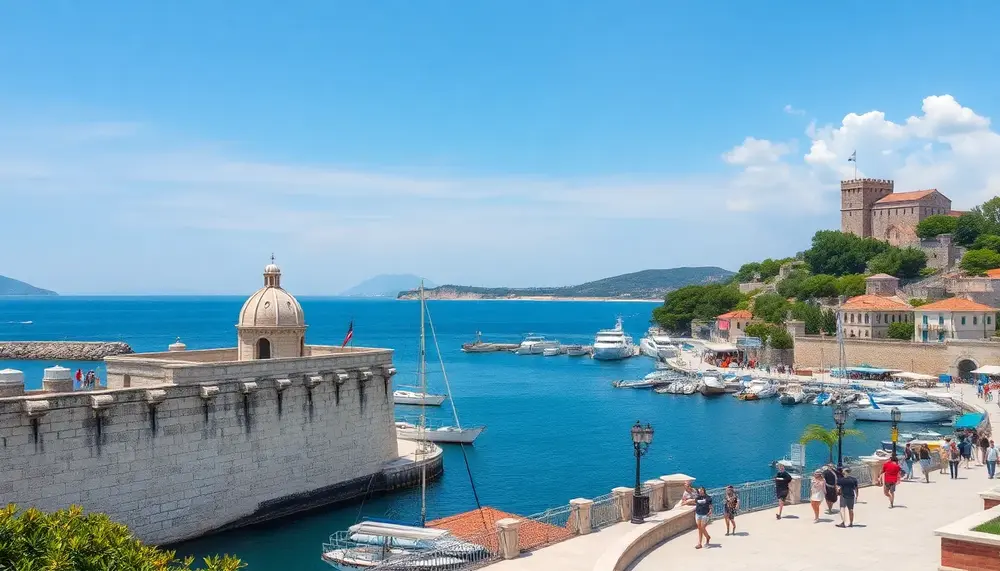
The coastal fortifications of Croatia are not just stone walls; they are a testament to the region's rich history and strategic importance. Built primarily during the Middle Ages, these fortifications played a crucial role in protecting coastal cities from invasions and maritime threats.
Historically, Croatia's location along the Adriatic Sea made it a vital trade route. As a result, various powers sought to control this territory, leading to the construction of numerous fortifications. Cities like Dubrovnik, Zadar, and Pula showcase impressive defensive structures that reflect the architectural styles and military strategies of their respective eras.
For instance, Dubrovnik's city walls, which date back to the 13th century, are among the best-preserved fortifications in the world. They served not only as a defense mechanism but also as a symbol of the city’s wealth and independence. The walls are a blend of Gothic, Renaissance, and Baroque architecture, illustrating the evolution of building techniques and styles over centuries.
Moreover, these fortifications were integral to the local economy. They enabled safe trade and commerce, fostering economic growth and cultural exchange. The fortifications also provided a sense of security, allowing communities to thrive despite external threats.
In modern times, the historical significance of these coastal fortifications has led to their designation as UNESCO World Heritage Sites. This recognition not only honors their past but also emphasizes the importance of preserving these structures for future generations. Efforts are underway to maintain and restore these sites, ensuring that they continue to tell the story of Croatia’s rich maritime history.
In summary, the coastal fortifications of Croatia are a vital part of the nation’s historical narrative. They represent centuries of resilience, architectural innovation, and cultural identity, making them essential for anyone looking to understand the region's past.
Key Fortifications to Explore in the Coastal City
When exploring Croatia's coastal cities, a visit to the key fortifications is essential for understanding their historical and architectural significance. Here are some of the must-see fortifications:
- Dubrovnik City Walls: These impressive walls stretch nearly 2 kilometers and feature multiple towers and forts. Visitors can walk along the top, enjoying breathtaking views of the Adriatic Sea and the city below. The walls are not only a defensive structure but also a symbol of the city's independence.
- Fort Lovrijenac: Located on a cliff overlooking Dubrovnik, this fortress was built to defend the city from sea attacks. Known as the "Gibraltar of Dubrovnik," it played a crucial role during conflicts. Today, it serves as a venue for the famous Dubrovnik Summer Festival.
- St. Nicholas Fortress: Situated in the town of Piran, this fort was constructed to protect the harbor from naval attacks. Its unique design and strategic location make it an interesting site to explore.
- Kaštel Stari: This fortification in Split dates back to the 15th century. Originally built for defense, it now houses a museum and offers insight into the region's military history.
- Pula Arena: Although primarily known as a Roman amphitheater, the Pula Arena is surrounded by fortifications that provide a glimpse into the city's defensive past. The arena itself is one of the best-preserved Roman structures in the world.
Each of these fortifications tells a unique story and reflects the rich tapestry of Croatia's history. Visiting them not only enhances your understanding of the region's past but also offers stunning views and a chance to appreciate the architectural prowess of the time.
Pros and Cons of Visiting Croatia's Coastal Fortifications
| Pros | Cons |
|---|---|
| Rich historical significance and architectural beauty. | Can be crowded during peak tourist season. |
| UNESCO World Heritage Sites offer preservation and cultural value. | Some sites may have limited accessibility due to age and structure. |
| Stunning views of the Adriatic Sea and coastal landscapes. | Entrance fees may apply to certain fortifications. |
| Engaging local culture and culinary experiences nearby. | Hot summer weather can be uncomfortable for exploring. |
| Opportunities for guided tours and educational experiences. | Some historical events or festivals may require advance booking. |
Architectural Features of Medieval Structures
The architectural features of medieval structures in Croatia's coastal cities showcase a blend of functionality and artistry, reflecting the era's defensive needs and aesthetic sensibilities. These fortifications were designed not only to protect but also to impress, with various elements that highlight their historical significance.
- Thick Stone Walls: The primary characteristic of these structures is their robust stone walls, often several meters thick. This design was essential for withstanding cannon fire and siege attacks, making them formidable defenses.
- Towers and Bastions: Many fortifications feature towering structures that provided vantage points for guards and archers. These towers often had a circular or polygonal shape, maximizing visibility and strength. Bastions, protruding sections of the walls, allowed for better defensive positions against attackers.
- Gothic and Renaissance Elements: While primarily built for defense, many structures incorporated architectural styles from the Gothic and Renaissance periods. This is evident in the intricate stone carvings, pointed arches, and decorative motifs that adorn the walls and entryways.
- Drawbridges and Moats: Some fortifications were equipped with drawbridges that could be raised in times of attack, often accompanied by surrounding moats that added an extra layer of protection. These features highlight the ingenuity of medieval military architecture.
- Interior Layouts: Inside these fortifications, you can find well-planned layouts that include living quarters, storage rooms, and even chapels. This organization reflects the need for self-sufficiency during prolonged sieges.
Exploring these architectural features provides a deeper understanding of how medieval societies prioritized security while also expressing their cultural identity through design. Each fortification tells a story of resilience and artistry, inviting visitors to appreciate the complexity of their construction and purpose.
Cultural Heritage and Preservation Efforts
Croatia's coastal fortifications are not just historical monuments; they are vital components of the nation's cultural heritage. These structures embody the artistic, architectural, and social narratives of their time. Preservation efforts are essential to maintain their integrity and ensure that future generations can appreciate their significance.
Various organizations and government bodies are actively involved in the conservation of these fortifications. Their efforts include:
- Restoration Projects: Comprehensive restoration initiatives focus on repairing structural damage caused by weather, erosion, and human activity. These projects often utilize traditional building techniques and materials to maintain authenticity.
- Educational Programs: Many cultural institutions offer educational programs aimed at raising awareness about the importance of these fortifications. Workshops, guided tours, and exhibitions help visitors understand their historical context and architectural significance.
- Community Involvement: Local communities play a crucial role in preservation efforts. Volunteer groups often organize clean-up days and fundraising events to support restoration projects, fostering a sense of ownership and pride in their heritage.
- UNESCO Designation: Several fortifications, such as those in Dubrovnik, are recognized as UNESCO World Heritage Sites. This status not only helps in attracting international funding for preservation but also raises global awareness about their importance.
- Research and Documentation: Ongoing research efforts aim to document the history, architecture, and condition of these sites. This information is crucial for developing effective conservation strategies and ensuring that restoration efforts are informed by historical accuracy.
Through these combined efforts, Croatia's coastal fortifications can be preserved as living testaments to the country’s rich history and cultural identity. The ongoing commitment to safeguarding these structures highlights their value beyond mere tourism; they are integral to understanding Croatia's past.
Tourist Attractions and Activities in the City
Exploring Croatia's coastal cities offers a wealth of attractions and activities that extend beyond the impressive fortifications. Visitors can immerse themselves in the local culture, enjoy stunning natural landscapes, and partake in various recreational pursuits. Here are some notable attractions and activities to consider:
- Local Markets: Experience the vibrant atmosphere of local markets, where you can find fresh produce, handmade crafts, and regional delicacies. Markets like the Dolac Market in Zagreb or the one in Split provide an authentic taste of Croatian life.
- Beaches and Water Activities: The stunning Adriatic coastline boasts numerous beautiful beaches. Popular activities include swimming, snorkeling, and kayaking. Plitvice Lakes National Park also offers breathtaking views and opportunities for hiking and photography.
- Cultural Festivals: Throughout the year, various festivals celebrate Croatia's rich heritage. The Dubrovnik Summer Festival features theater performances, concerts, and art exhibitions, showcasing local talent and culture.
- Museums and Galleries: Art enthusiasts should not miss the chance to visit museums and galleries such as the Museum of Broken Relationships in Zagreb, which offers a unique perspective on love and relationships through personal artifacts.
- Culinary Experiences: Croatian cuisine is a highlight for many visitors. Join a cooking class to learn about traditional dishes or indulge in local wines at a vineyard tour in regions like Istria or Dalmatia.
- Island Hopping: Take advantage of the nearby islands, such as Hvar and Korčula, accessible by ferry. Each island has its own charm, offering opportunities for exploration, relaxation, and enjoying local cuisine.
These attractions and activities enhance the experience of visiting Croatia's coastal cities, providing a rich blend of history, culture, and leisure that appeals to a wide range of interests.
Local Cuisine and Dining Options Near the Fortifications
Exploring the local cuisine around Croatia's coastal fortifications adds a delightful layer to your visit. The culinary scene is rich, reflecting the country’s diverse cultural influences and fresh Mediterranean ingredients. Here are some dining options and local specialties you should not miss:
- Seafood Restaurants: Given the coastal location, fresh seafood is a staple. Look for eateries serving grilled fish, octopus salad, and black risotto made with cuttlefish ink. Restaurants like Restaurant 360 in Dubrovnik offer a fine dining experience with stunning views.
- Traditional Konobas: These family-run taverns serve authentic Croatian dishes in a cozy setting. You can enjoy specialties like peka (meat or seafood slow-cooked under a bell-like dome) and šporki makaruli (local pasta). Konoba Pjat in Split is a favorite among locals.
- Wine Tasting Tours: The regions around coastal cities are known for their vineyards. Participating in a wine tasting tour allows you to sample local wines, particularly Plavac Mali, a red wine native to the Dalmatian coast. Many wineries offer meals paired with their selections for a complete experience.
- Street Food: Don't overlook the street food scene, especially in bustling markets. Try ćevapi (grilled minced meat), fritule (sweet doughnuts), and local pastries for a quick snack while exploring the city.
- Cafés and Bakeries: After a day of sightseeing, relax at one of the charming cafés near the fortifications. Indulge in a cup of Turkish coffee paired with kremšnita (a cream cake) or palačinke (Crepes) filled with various sweet fillings.
Dining near the coastal fortifications not only satisfies your palate but also enhances your overall experience, allowing you to savor the rich flavors of Croatian culture.
Tips for Visiting Croatia's Coastal City with Fortifications
Visiting Croatia's coastal cities with their stunning fortifications can be a remarkable experience. To make the most of your trip, consider the following tips:
- Plan Ahead: Research the fortifications you want to visit and check their opening hours. Some sites may have guided tours that require advance booking, especially during peak tourist season.
- Wear Comfortable Shoes: Many of the fortifications involve walking on cobblestone streets or climbing stairs. Ensure you wear comfortable footwear to navigate the terrain easily.
- Stay Hydrated: Croatia can get quite hot, especially in the summer months. Carry a water bottle with you to stay refreshed while exploring the city.
- Visit Early or Late: To avoid the crowds, consider visiting popular sites early in the morning or later in the afternoon. This also allows for better lighting for photographs.
- Engage with Locals: Don’t hesitate to ask locals for recommendations on hidden gems or less-known fortifications. Their insights can lead you to unique experiences and lesser-known attractions.
- Explore Beyond the Walls: While the fortifications are a highlight, take time to explore nearby neighborhoods, markets, and parks to get a fuller sense of the local culture.
- Respect the Sites: Many fortifications are of great historical significance. Be mindful of rules regarding photography, climbing, or touching structures to preserve their integrity.
- Check Local Events: Look for local festivals, exhibitions, or events happening during your visit. These can provide a deeper connection to the culture and history of the area.
By keeping these tips in mind, you can enhance your visit to Croatia's coastal cities, ensuring a memorable and enriching experience filled with history, culture, and breathtaking views.
Best Times to Visit for Historical Tours
Choosing the best time to visit Croatia's coastal cities for historical tours can significantly enhance your experience. Here are some factors to consider when planning your trip:
- Spring (April to June): This season is ideal for visiting as the weather is mild and pleasant. The tourist crowds are smaller compared to the summer months, allowing for a more relaxed exploration of the fortifications and historical sites. Events like the Dubrovnik Spring Festival also take place during this time, adding cultural richness to your visit.
- Fall (September to October): Similar to spring, fall offers comfortable temperatures and fewer tourists. The beautiful autumn foliage enhances the scenic views of the coastal landscapes. This is also the time for the Wine Harvest Festivals, where you can enjoy local wines and traditional cuisine.
- Summer (July to August): While this is peak tourist season, it’s also when many historical events and festivals occur. If you don’t mind the crowds, this is a vibrant time to experience cultural activities. However, be prepared for higher temperatures and consider early morning or late afternoon tours to avoid the heat.
- Winter (November to March): This period sees the least tourist activity, and while some attractions may have limited hours, visiting during winter can provide a unique perspective on the fortifications. The quieter atmosphere allows for introspection and appreciation of the sites without the hustle and bustle of tourists.
Ultimately, the best time for historical tours depends on your preferences for weather, crowd levels, and cultural experiences. Each season offers its own unique advantages, allowing you to tailor your visit to your interests.
Guided Tours and Experiences Available
Guided tours and experiences in Croatia's coastal cities provide an enriching way to explore the historical fortifications and immerse yourself in local culture. Here are some options to consider:
- Walking Tours: Many companies offer guided walking tours focusing on the history and architecture of the fortifications. These tours often include engaging storytelling from knowledgeable guides, who provide insights into the significance of each site.
- Cultural Experiences: Some tours combine visits to fortifications with cultural activities, such as traditional cooking classes or local craft workshops. This allows visitors to connect with Croatian heritage on a deeper level.
- Private Tours: For a more personalized experience, consider booking a private tour. This option allows you to tailor your itinerary based on your interests and pace, ensuring you don't miss any highlights.
- Adventure Tours: For those seeking a bit more excitement, some companies offer adventure tours that include kayaking around coastal fortifications or hiking to vantage points with stunning views of the historical sites.
- Historical Reenactments: Certain locations host historical reenactments that bring the past to life. These events can provide a unique perspective on the history of the fortifications and the battles that shaped them.
- Audio Guides: If you prefer exploring at your own pace, many fortifications offer audio guides. These can be rented on-site or downloaded as apps, providing detailed information about the history and significance of each location.
Participating in guided tours and experiences enhances your visit by providing context and depth to the historical sites, making your exploration of Croatia's coastal cities both informative and memorable.
Connecting with Local History Through Museums and Exhibits
Connecting with local history through museums and exhibits in Croatia's coastal cities provides an enriching context to the fortifications and the cultures that shaped them. These institutions not only showcase artifacts but also tell the stories of the people who lived in these historic areas.
- Museums of History: Many cities have dedicated museums that focus on local history. For example, the Ragusa Museum in Dubrovnik offers insights into the city’s maritime past and the significance of its fortifications. Exhibits often include navigational instruments, maps, and historical documents.
- Archaeological Museums: Archaeological museums, such as the Archaeological Museum in Zadar, display artifacts uncovered from the surrounding areas, including tools, pottery, and remnants of ancient structures. These finds help visitors understand the historical context of the coastal fortifications.
- Art Galleries: Local art galleries often feature exhibitions that reflect the region's history and culture. The City Gallery in Split, for instance, showcases contemporary artworks alongside pieces inspired by the city’s historical narratives.
- Interactive Exhibits: Some museums incorporate interactive exhibits, allowing visitors to engage with history in a hands-on manner. These can include virtual reality experiences that simulate historical events or interactive timelines that connect various historical periods.
- Temporary Exhibitions: Keep an eye out for temporary exhibitions that focus on specific themes or events. These often include guest curators or collaborations with other institutions, providing fresh perspectives on local history.
Visiting these museums and exhibits offers a deeper understanding of the historical significance of Croatia's coastal fortifications, enriching your overall experience and connection to the region's vibrant past.
FAQ about Croatia's Coastal Fortifications
What is the historical significance of Croatia's coastal fortifications?
Croatia's coastal fortifications are crucial for understanding the region's history as they protected cities from invasions and played a significant role in trade along the Adriatic Sea.
Which coastal fortifications should I visit in Croatia?
Key fortifications include the Dubrovnik City Walls, Fort Lovrijenac, St. Nicholas Fortress, Kaštel Stari, and the Pula Arena, each offering unique insights into Croatia's military history.
What architectural features are common in these fortifications?
Common features include thick stone walls, towers and bastions for defense, Gothic and Renaissance elements, drawbridges, and well-planned interior layouts for self-sufficiency during sieges.
When is the best time to visit Croatia's coastal fortifications?
The best times to visit are spring (April to June) and fall (September to October) when the weather is mild and tourist crowds are smaller, enhancing the exploration experience.
Are there guided tours available for the coastal fortifications?
Yes, many guided tours are available, including walking tours focusing on history and architecture, cultural experiences, adventure tours, and private tours tailored to your interests.