Table of Contents:
The Geography and Scale of Croatia's Adriatic Coastline
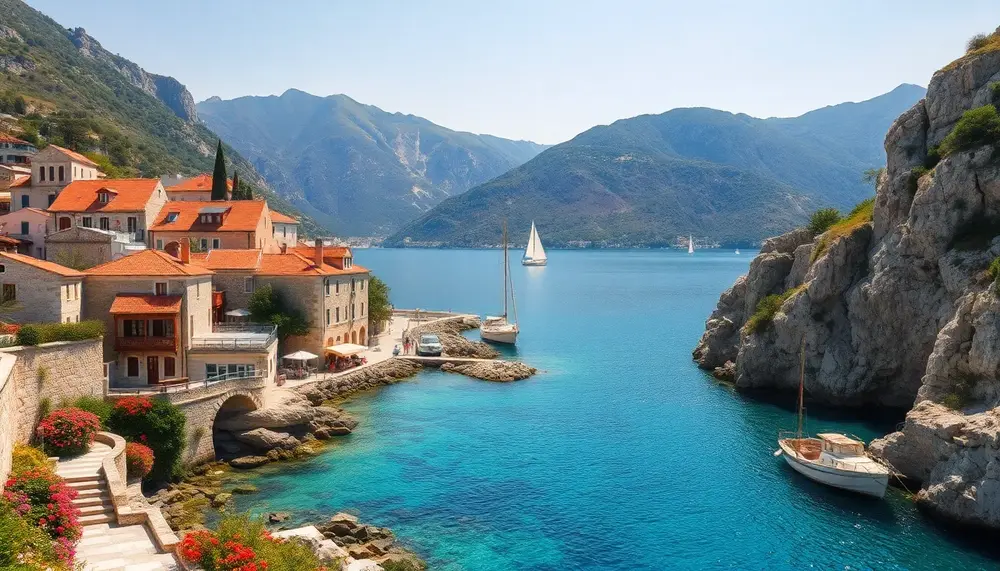
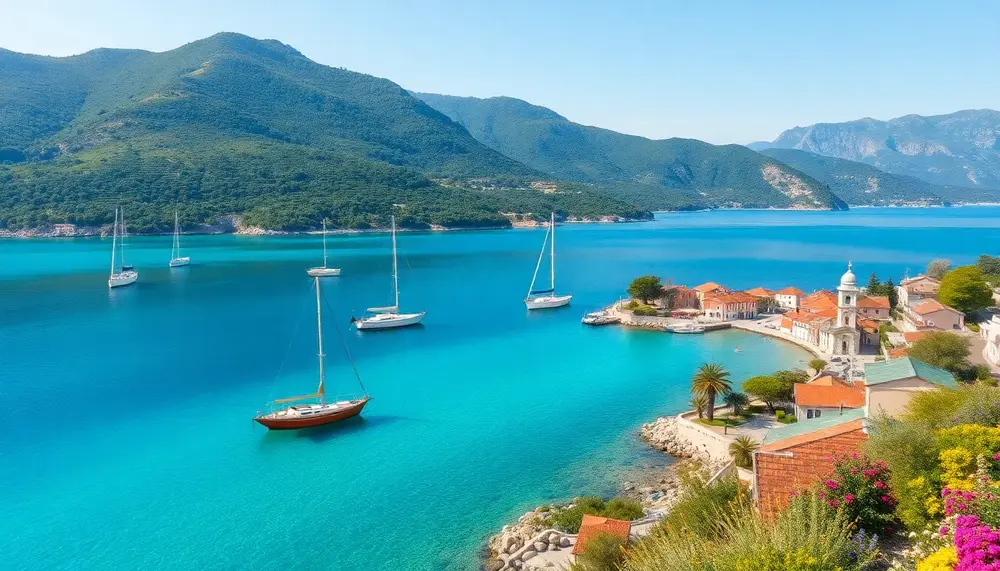
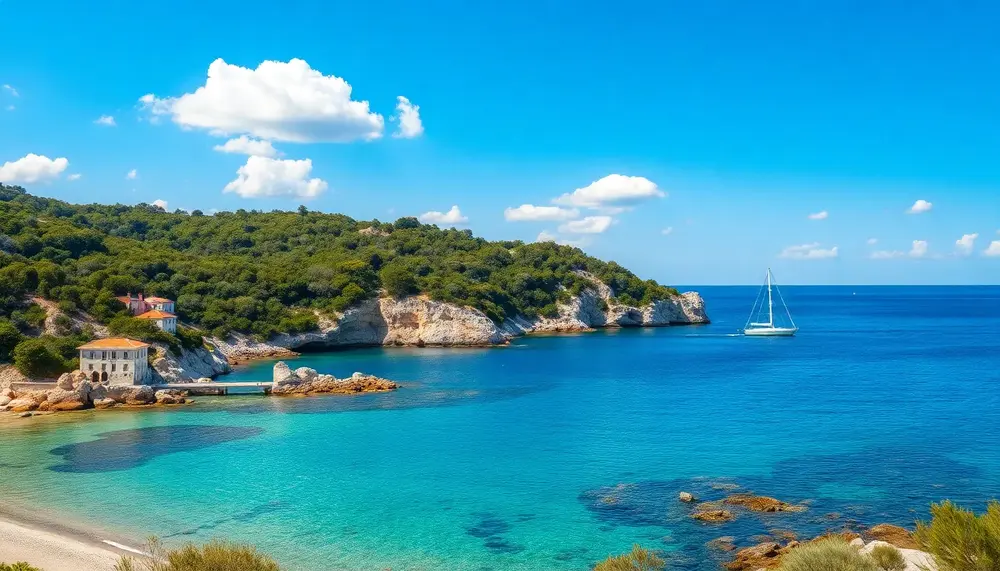
Croatia's Adriatic coastline is one of Europe's most geographically complex shorelines, stretching approximately 1,777 kilometers of mainland coast — but that figure barely scratches the surface. Once you factor in the islands, islets, and reefs, the total coastline explodes to roughly 6,278 kilometers. For anyone planning a serious coastal exploration, understanding this distinction is fundamental. You cannot treat Croatia's coast like a simple linear journey from north to south. If you want to grasp the true scale of what you're dealing with, think of it less as a coastline and more as an intricate maritime labyrinth.
The coast runs from the Istrian Peninsula in the northwest down through Kvarner Bay and continues the full length of Dalmatia to the southernmost point near Dubrovnik. This entire stretch sits within the broader Eastern Adriatic context, where the sea is shallower, warmer, and notably calmer on the leeward sides of the islands compared to the exposed outer coasts facing the open Adriatic. The prevailing winds — the bura (a fierce northeastern wind) and the jugo (a humid southeasterly) — shape everything from sailing conditions to local architecture.
The Island Archipelago: A System, Not a Scatter
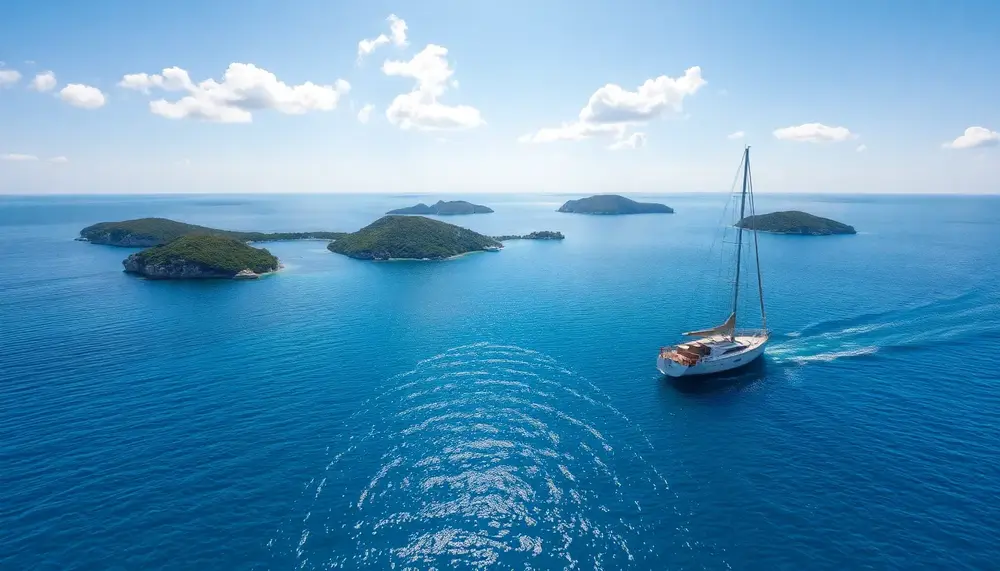
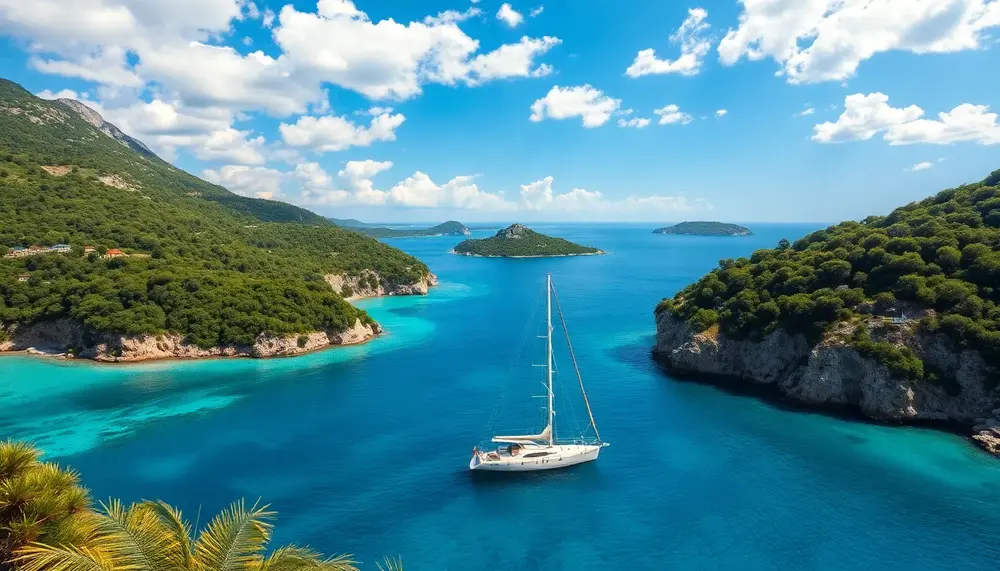
Croatia counts 1,244 islands, islets, and reefs, of which only around 50 are permanently inhabited. The islands are not randomly distributed — they run in roughly parallel chains aligned northwest to southeast, a direct result of the Dinaric karst topography, where drowned mountain ridges form today's island chains. The largest — Cres, Krk, Brač, Hvar, and Korčula — each have their own distinct microclimate, landscape character, and tourism infrastructure. Hvar averages over 2,700 hours of sunshine annually, making it one of the sunniest spots in all of Europe, while Cres in the north feels considerably more rugged and less frequented.
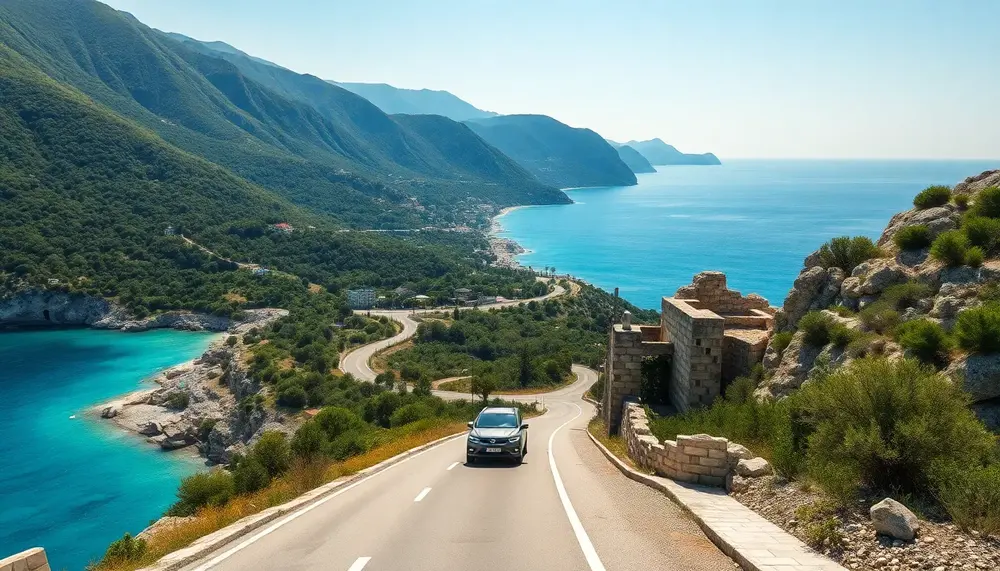
The dramatic transition from island beaches to the karst mountains of Dalmatia is one of the defining visual experiences of this coastline. In some locations, the Dinaric Alps rise sharply just a few kilometers inland, creating elevation changes exceeding 1,700 meters within a remarkably short horizontal distance. This dramatic compression of geography — deep sea, flat coastal strip, then towering limestone mountains — is not just scenic. It creates strong thermal effects, localized weather patterns, and limits road infrastructure in ways that still make certain stretches of coast surprisingly remote.
Political Geography and Coastal Continuity
One aspect that surprises many visitors is that Croatia's coastline is not geographically continuous. The Neum Corridor, a 9-kilometer strip of Bosnian territory, interrupts the coastal highway between Split and Dubrovnik, requiring travelers to cross into Bosnia and Herzegovina before re-entering Croatia. The border dynamics between Croatia and Bosnia here are a direct legacy of the 1699 Treaty of Karlowitz. The Pelješac Bridge, completed in 2022, now bypasses Neum entirely for road traffic, but the geopolitical reality remains relevant for maritime navigation and regional planning.
- Total mainland coast: ~1,777 km
- Total coastline including islands: ~6,278 km
- Number of islands and islets: 1,244
- Permanently inhabited islands: ~50
- Southernmost major city: Dubrovnik, at 42.6°N latitude
Croatia's Coastal Cities and Historic Towns Worth Exploring
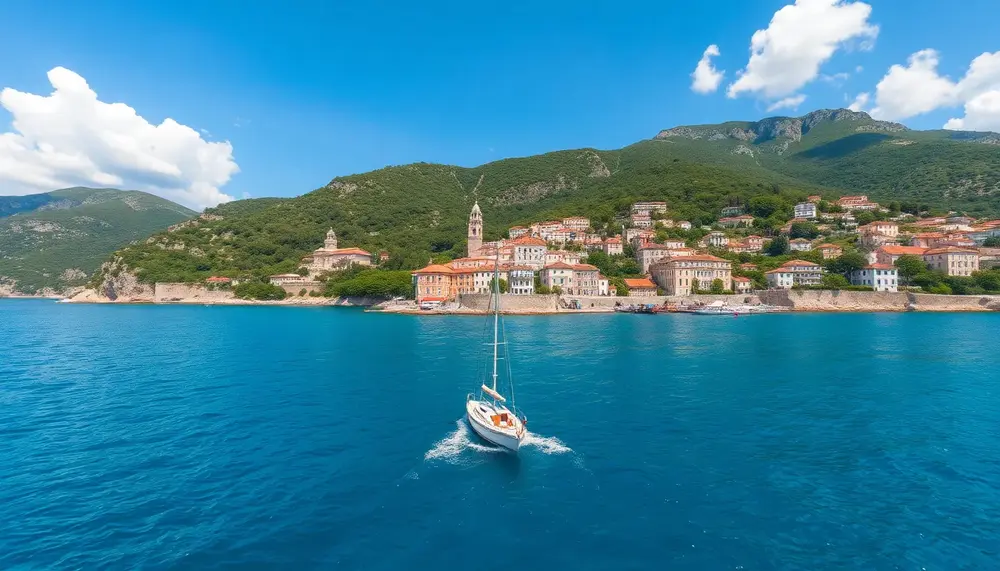
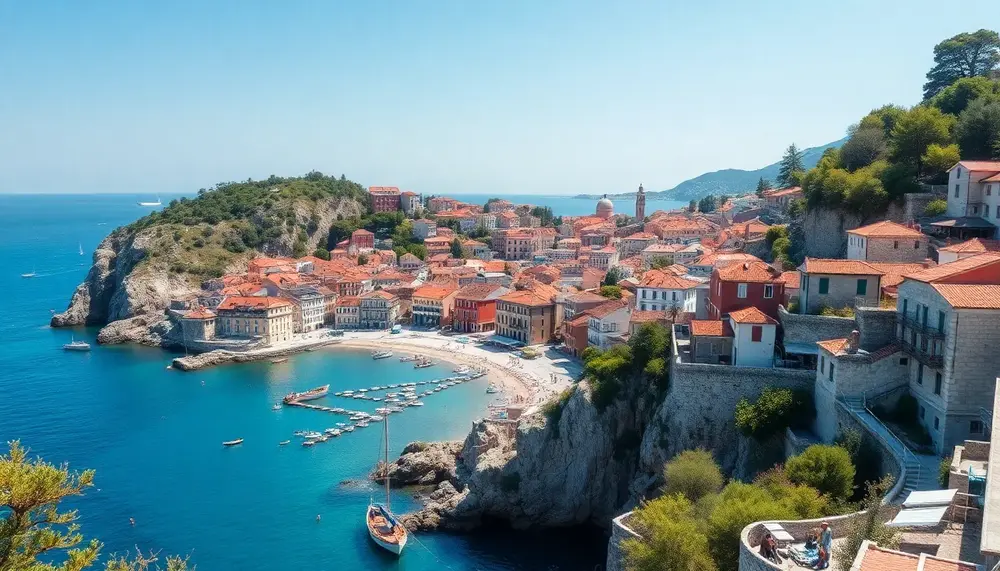
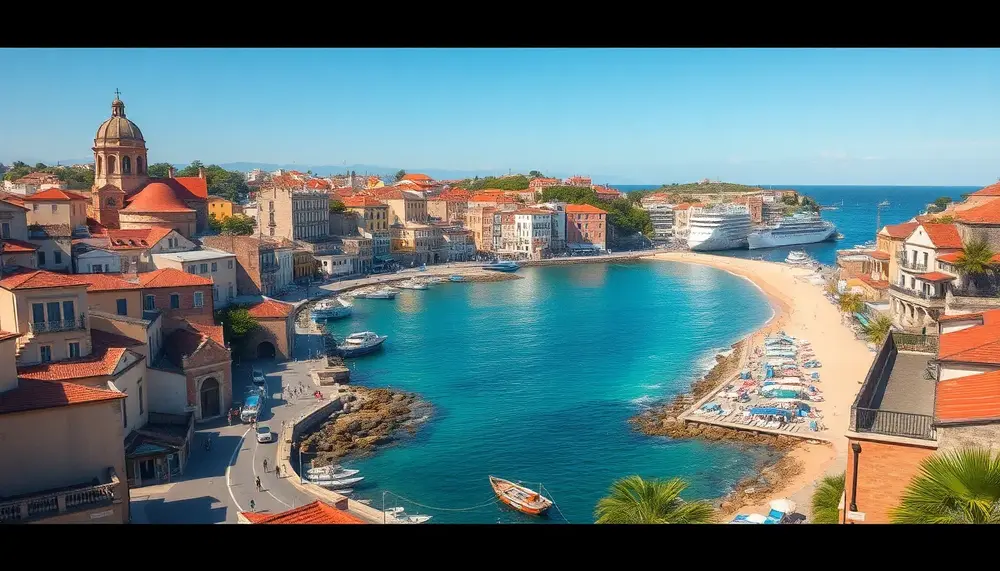
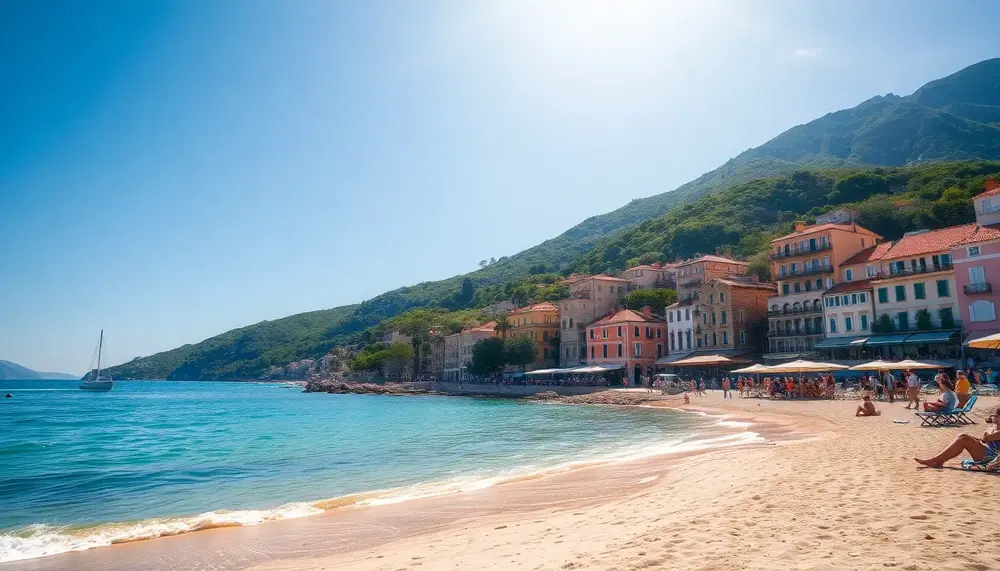
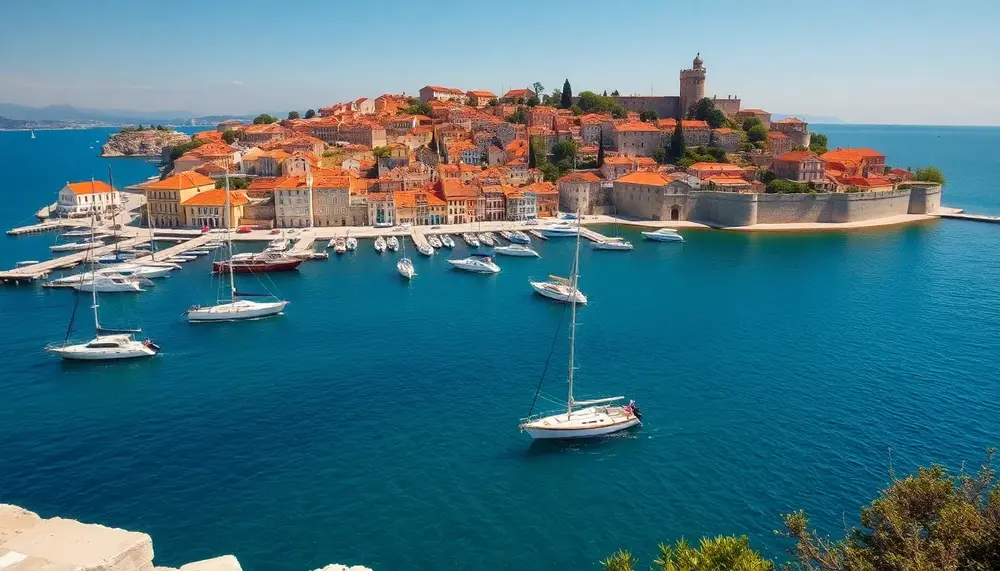
Croatia's Adriatic coastline stretches over 1,800 kilometers, but it's the density of historically significant urban centers along this strip that truly sets it apart from other Mediterranean destinations. From Istrian hill towns perched above the sea to Dalmatian cities built directly into Roman ruins, the architectural and cultural range is staggering. If you want a structured overview of what awaits, Croatia's most rewarding coastal settlements span everything from compact fishing villages to fully functioning cities with year-round populations exceeding 150,000.
Dalmatia's Urban Powerhouses
Split remains Croatia's second-largest city and arguably its most complex coastal destination. The old town isn't just adjacent to Diocletian's Palace — it is built inside it. Roughly 3,000 people live within the palace walls today, occupying apartments carved from 4th-century Roman structures. This creates a living urban fabric that no open-air museum can replicate. For anyone serious about understanding how Roman, medieval, and contemporary Croatian culture intersect, Split's layered cultural identity deserves more than a day trip — plan at least two full nights to move beyond the obvious.
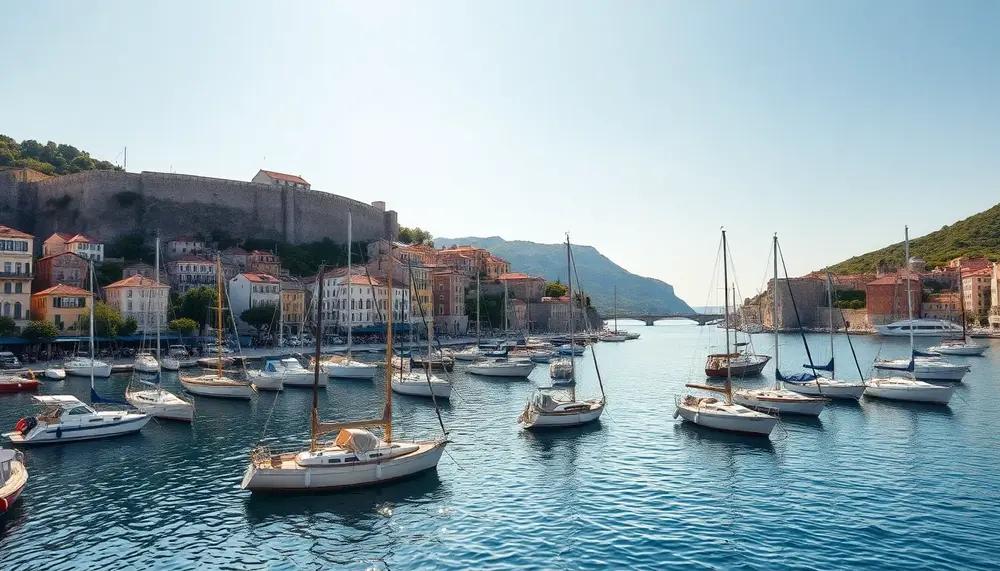
Dubrovnik draws over 1.5 million tourists annually, which creates real pressure on its 2-kilometer-long walled old city. The city gates open at 8:00 AM, and arriving before 9:00 AM in July and August is the single most effective strategy to experience the limestone streets without crowds. The 14th-century Rector's Palace, the Dominican Monastery's pharmacy — one of Europe's oldest, operating since 1317 — and the Franciscan cloister all reward unhurried attention that peak-hour visits simply don't allow.
Zadar is chronically underestimated. Croatia's oldest continuously inhabited city offers Roman forum ruins, five pre-Romanesque churches within walking distance of each other, and Alfred Hitchcock's famously praised sunsets over the Zadar Channel. The Sea Organ and Sun Salutation installations on the waterfront promenade are genuinely innovative public art, not tourist gimmicks. Zadar also functions as a practical base for reaching the Kornati archipelago — 89 uninhabited islands just 45 minutes by boat.
Istria: The Overlooked Northern Coast
Istria consistently outperforms expectations for travelers arriving with Dalmatia-centric assumptions. Pula contains one of the six best-preserved Roman amphitheaters on earth, with a capacity of 23,000 spectators — it still hosts concerts and the annual Croatian Film Festival. The Istrian interior adds truffle-hunting villages and Motovun's medieval walls to a coastal itinerary. For those drawn specifically to art, architecture, and artisan culture, Rovinj's gallery-lined streets and Venetian campanile represent one of the most atmospheric evenings anywhere on the Adriatic.
Experienced travelers often combine the coast's most compelling stops by moving north to south — starting in Istria, continuing through Kvarner Gulf towns like Opatija and Rijeka, then working down through Dalmatia. This direction allows you to follow diminishing crowds rather than fight peak-season traffic heading toward Dubrovnik. Key logistics tip: the coastal highway, Jadranska magistrala (D8), is scenic but slow in summer — factor in 20–30% more travel time than GPS estimates between June and August.
Pros and Cons of Exploring Croatia's Coastline
| Pros | Cons |
|---|---|
| Diverse landscapes with stunning beaches, islands, and mountains. | High tourist crowds during peak season (July and August). |
| Rich historical and cultural sites in cities like Dubrovnik and Split. | Navigational challenges due to unpredictable winds (bura and jugo). |
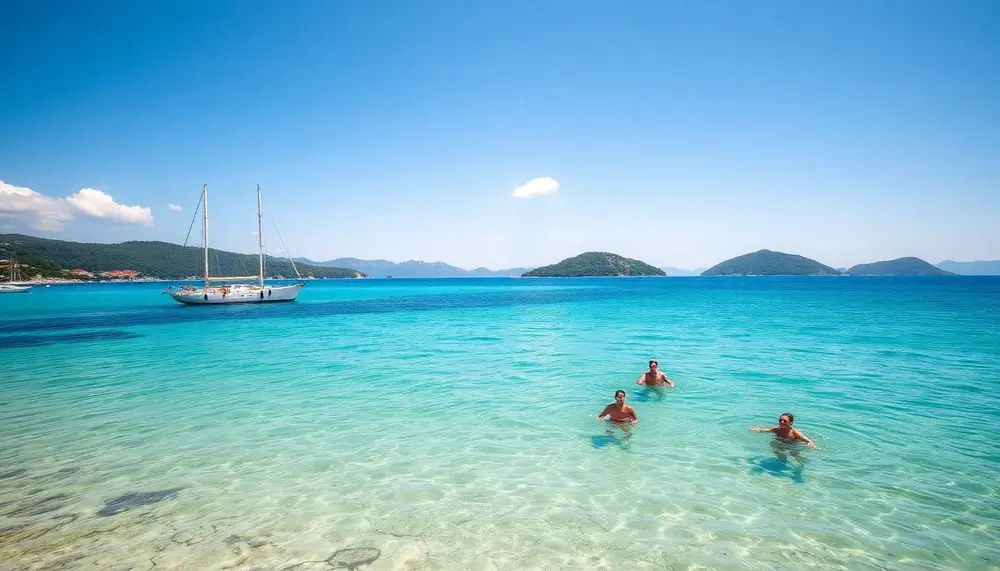
| Clear turquoise waters suitable for swimming and sailing. | Higher prices for accommodation and services during summer months. |
| Variety of activities, including hiking, sailing, and cultural experiences. | Some remote areas may lack infrastructure and amenities. |
| Access to over 1,200 islands for exploration and adventure. | Travel logistics can be complicated, especially during busy times. |
Beaches, Bays and Shoreline Experiences Across the Regions
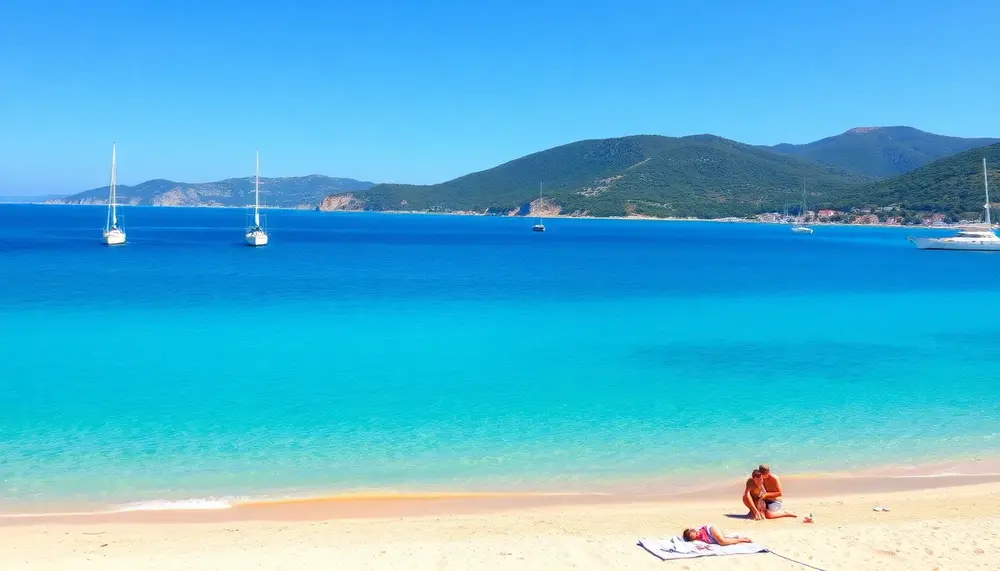
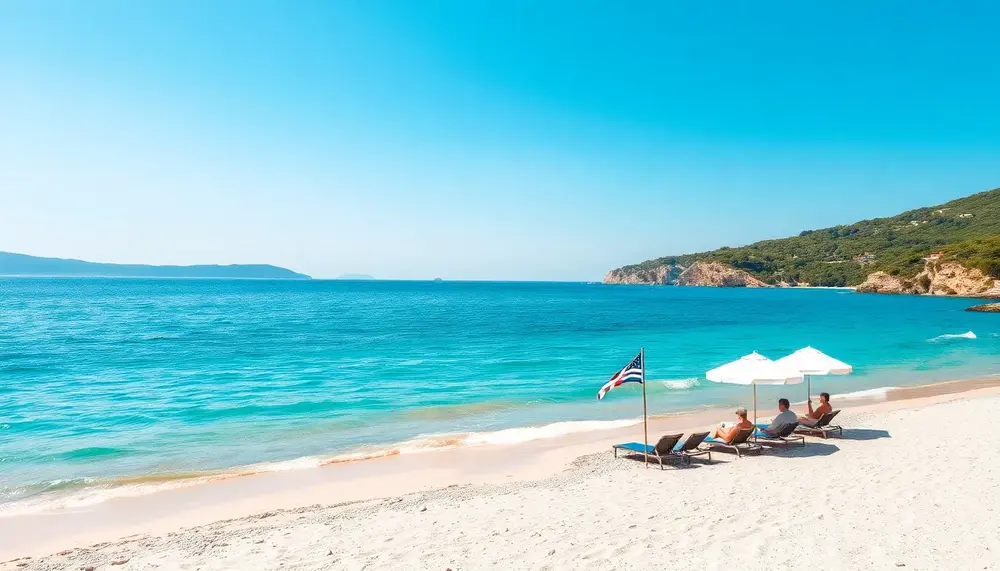
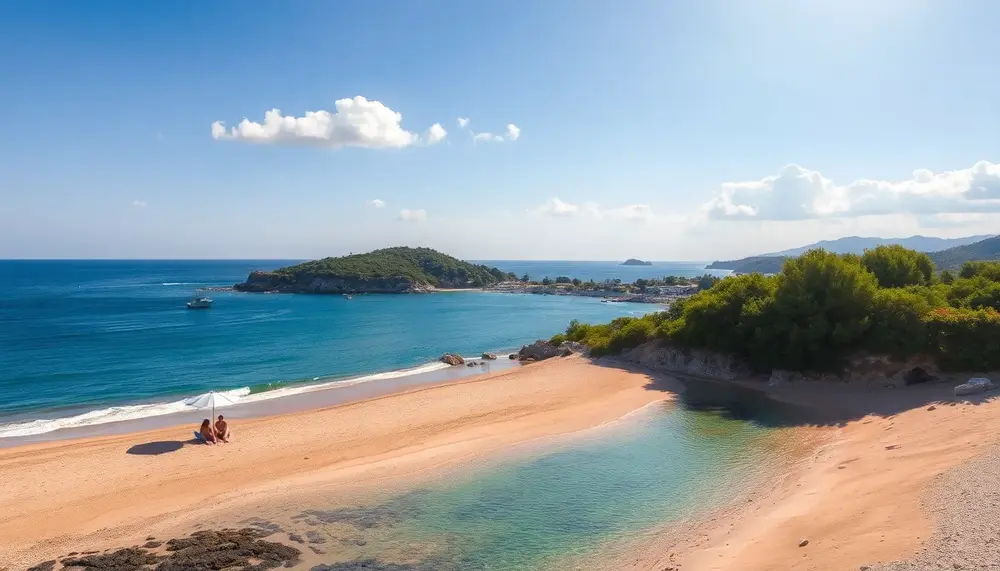
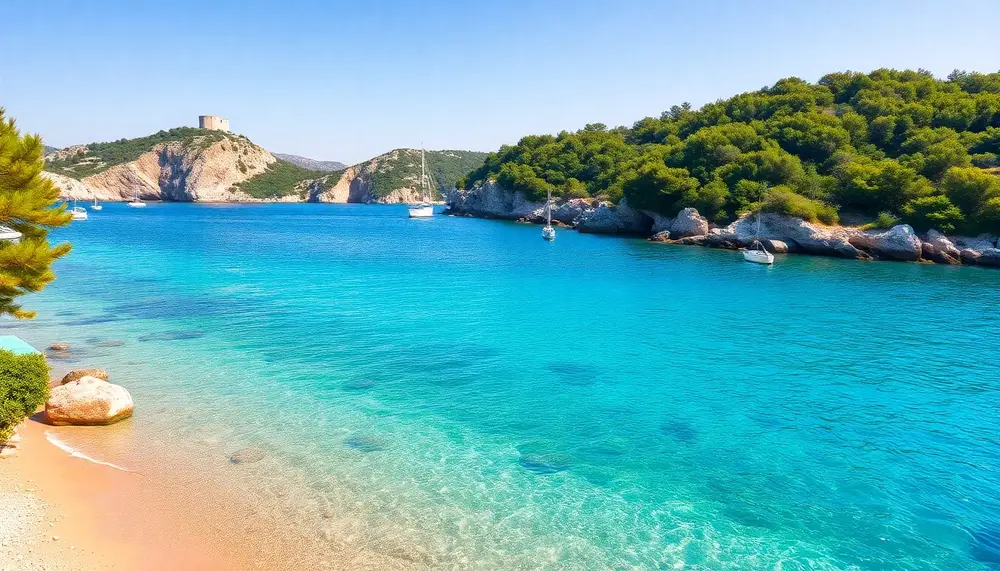
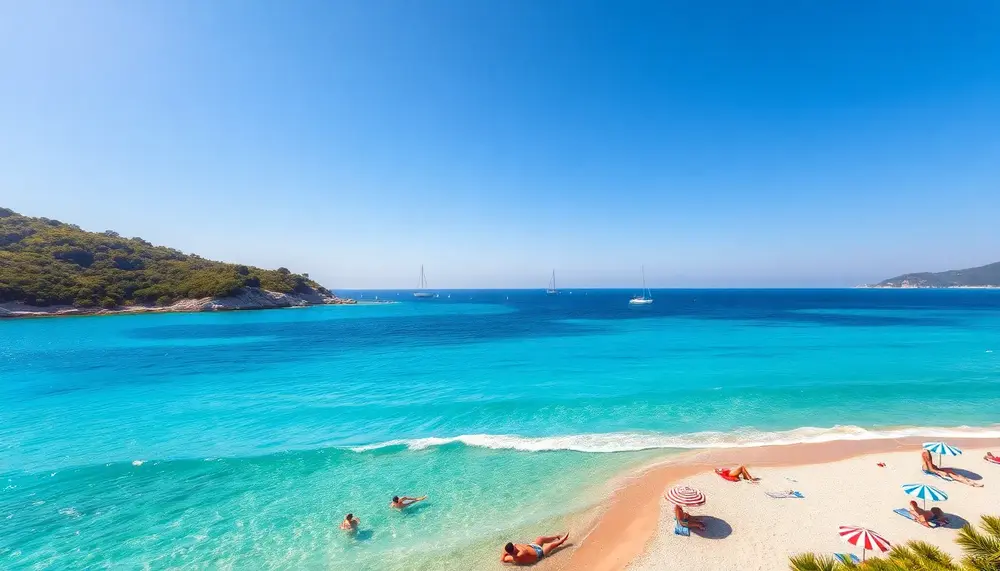
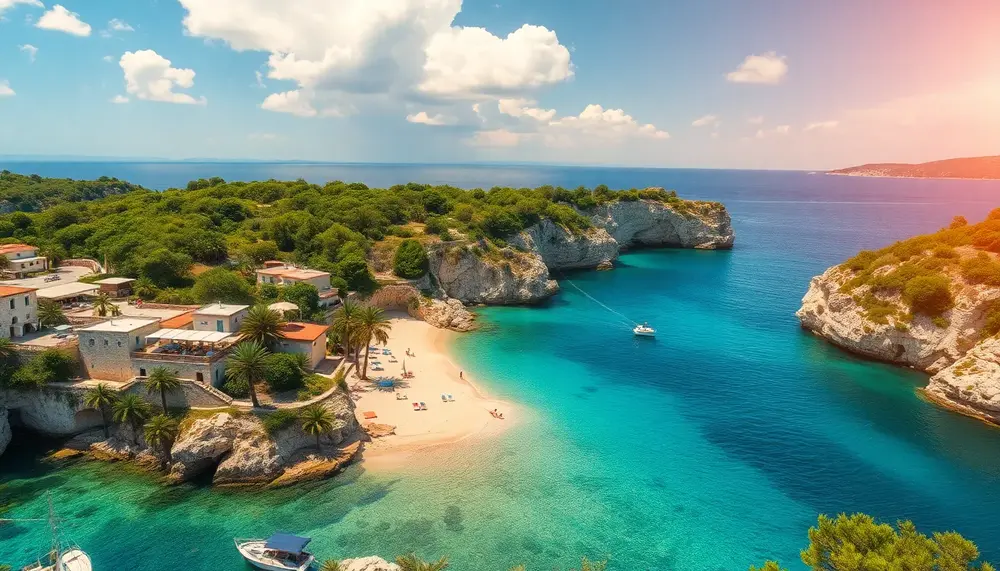
Croatia's coastline stretches across roughly 1,800 kilometers of mainland shore, but once you factor in the 1,244 islands, islets and reefs, the total reaches nearly 6,300 kilometers. That staggering figure translates into an extraordinary diversity of beach types, water conditions and coastal atmospheres — ranging from polished pebble coves accessible only by boat to broad sandy stretches backed by pine forests and full tourist infrastructure. Understanding these regional differences before you book is what separates a genuinely memorable trip from a frustrating one.
The Istrian and Kvarner Shoreline
Istria's western coast is characterized by flat limestone slabs descending gently into the sea — ideal for families with young children and anyone who values easy water entry without the ankle-twisting shuffle across loose pebbles. Rovinj and Poreč offer well-organized beach zones with Blue Flag certification, meaning water quality is systematically monitored throughout the season. The Kvarner Gulf, by contrast, delivers a more dramatic experience: the island of Lošinj records some of the country's highest sunshine hours, exceeding 2,600 annually, and its steep coves drop quickly to clear turquoise water. If you're deciding where to anchor your holiday, a thorough look at the most rewarding coastal bases in the country will help you compare Kvarner's rugged appeal with more polished alternatives further south.
Dalmatia: Where Variety Peaks
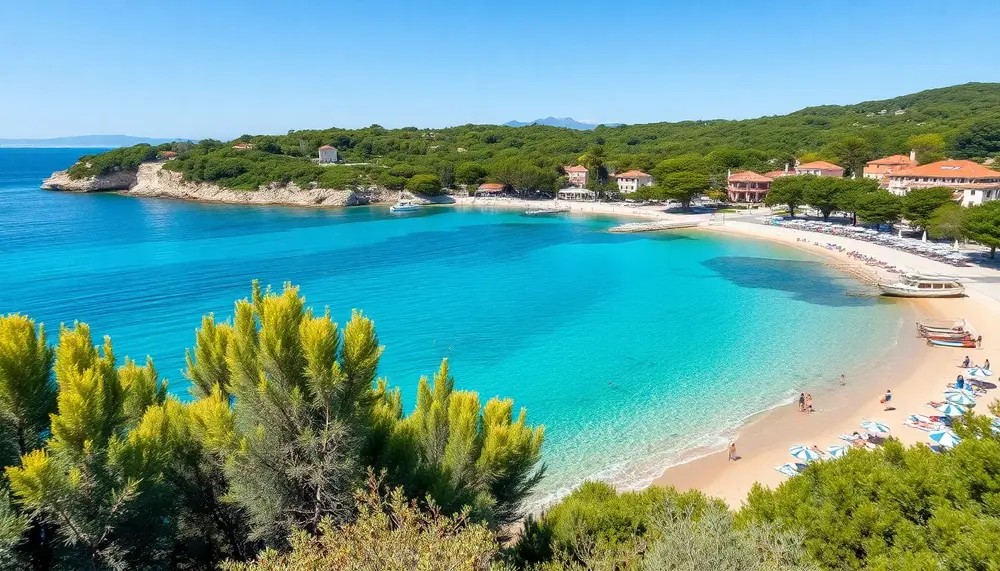
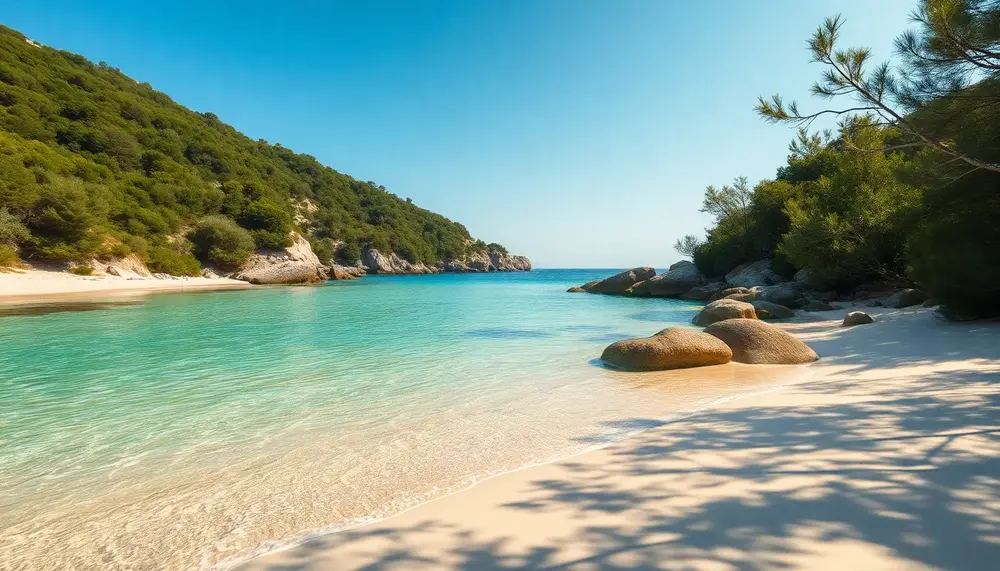
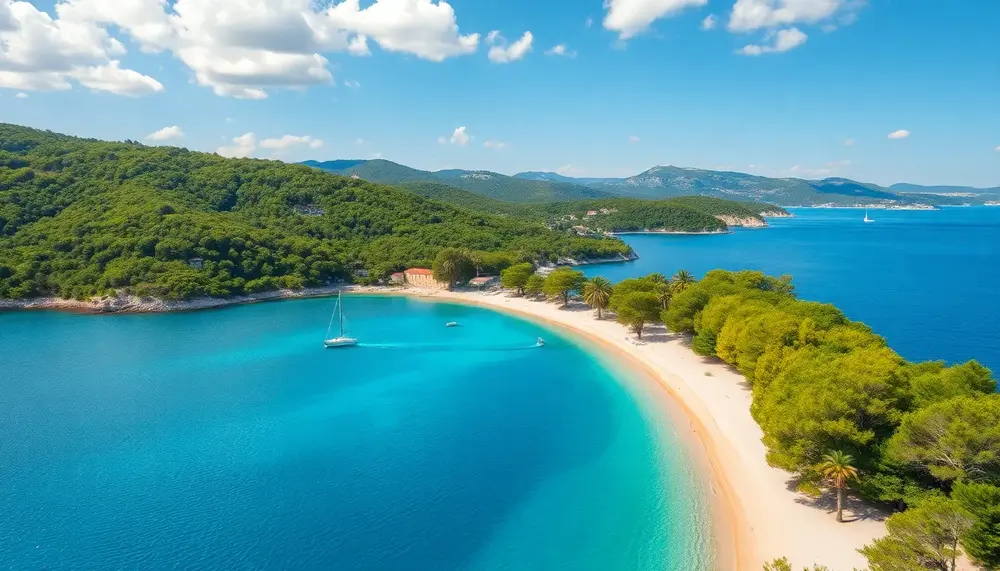
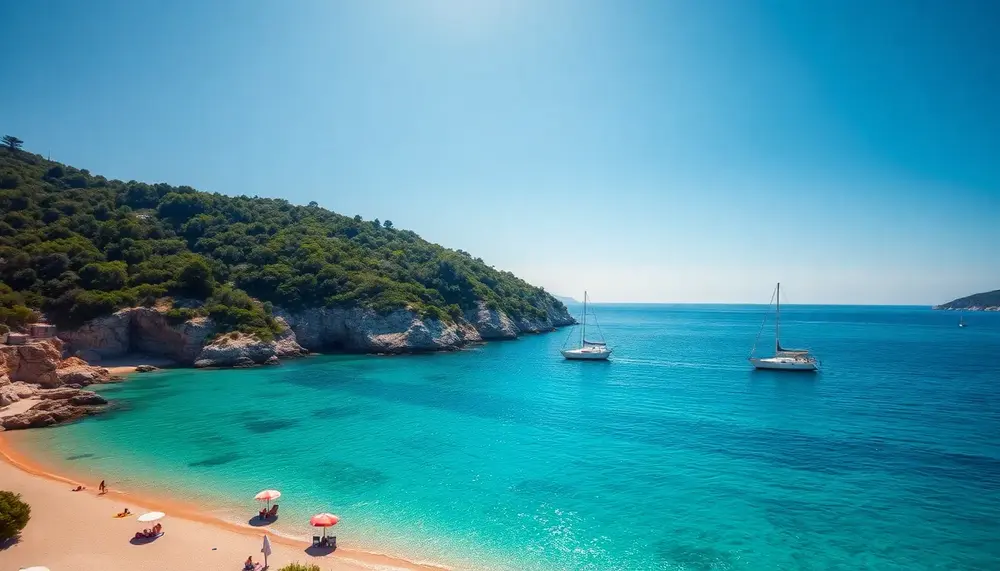
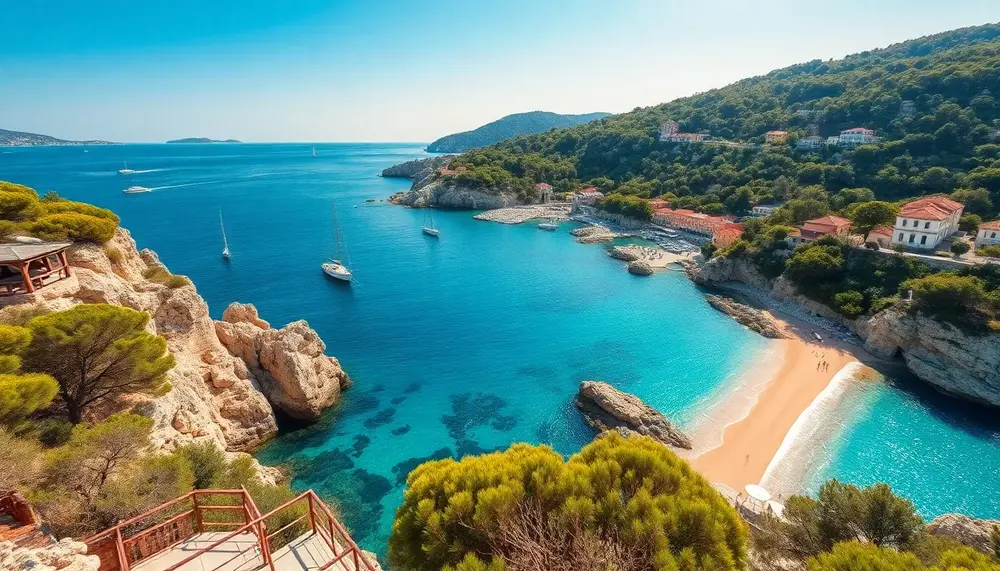
Dalmatia is the undisputed engine room of Croatian beach tourism. The Makarska Riviera alone offers over 60 kilometers of continuous beach backed by the Biokovo mountain range — a setting that looks almost theatrical. Beaches here are predominantly pebble, which actually contributes to the exceptional water clarity: without fine sand particles in suspension, visibility often exceeds 25 meters. The Split Riviera attracts both party-oriented visitors at Bačvice — home to the indigenous picigin ball game played in shallow water — and quieter seekers heading to hidden coves on nearby Šolta or Brač. The island of Brač hosts Zlatni Rat, one of Europe's genuinely distinctive beaches: a shingle spit that shifts direction with tidal and wind changes, projecting 500 meters into the Hvar channel.
For practical planning purposes, the Dalmatian coast rewards those who combine a reliable base with day-trip flexibility. Many of the standout beaches worth building a trip around are reachable only by ferry or private boat, so factor crossing times into your itinerary — the Split-Hvar ferry runs around 1 hour, while reaching Vis adds another 45 minutes.
The Dubrovnik Riviera and the Pelješac Peninsula represent the southern extreme, where beaches are fewer but often more exclusive. Šunj Bay on the island of Lopud is a rare sandy exception in an otherwise rocky landscape and stays genuinely calm even in July and August. Travelers looking for a broader sense of what different coastal regions actually feel like on the ground will find the contrast between Dubrovnik's dense tourism and the near-empty bays of Pelješac particularly revealing.
- Water temperature peaks in August at 26–28°C across most of Dalmatia
- Naturist beaches (FKK) are officially designated at over 30 locations, with Koversada in Istria being the largest in Europe
- Beach facilities thin out considerably on inner-island coves — bring your own shade and water
- Crowds peak between July 15 and August 20; late June and early September offer near-identical conditions with significantly fewer visitors
Anyone serious about matching the right beach type to their travel style should cross-reference regional profiles with specific cove-level detail. The difference between a north-facing bay (cooler, often windier) and a south-facing one can be 2–3 degrees of water temperature — a detail that matters more than most guidebooks acknowledge. For a curated map of the coast's most photogenic and least-crowded alternatives, exploring Croatia's lesser-known coastal gems offers a solid counterweight to the obvious headliners.
Sailing Croatia: Routes, Vessels and Organized Tour Operators
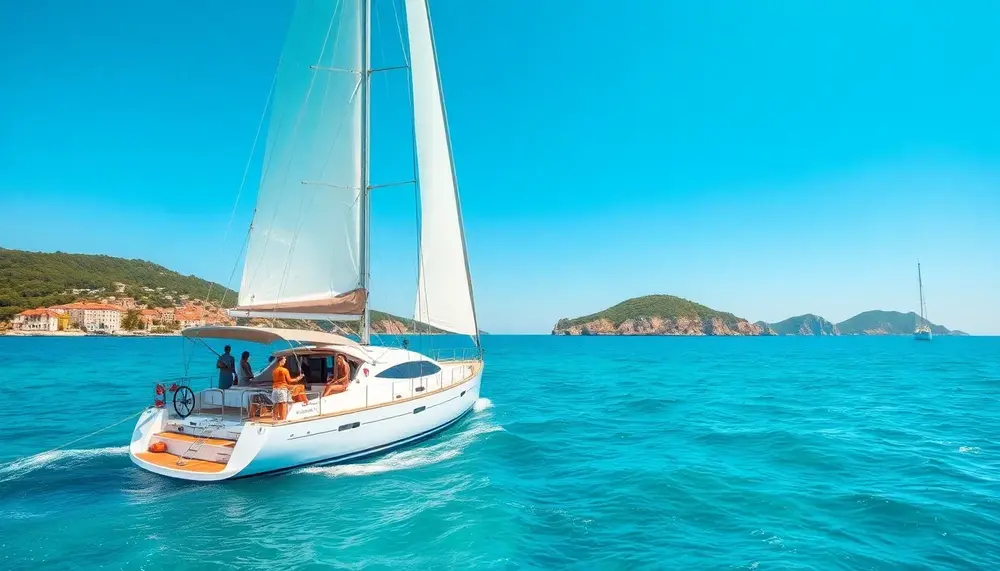
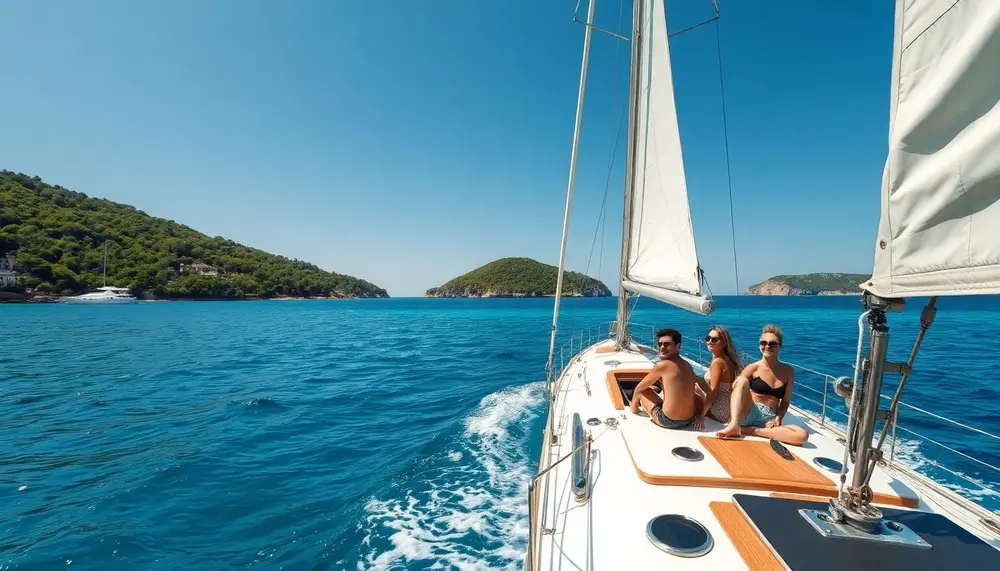
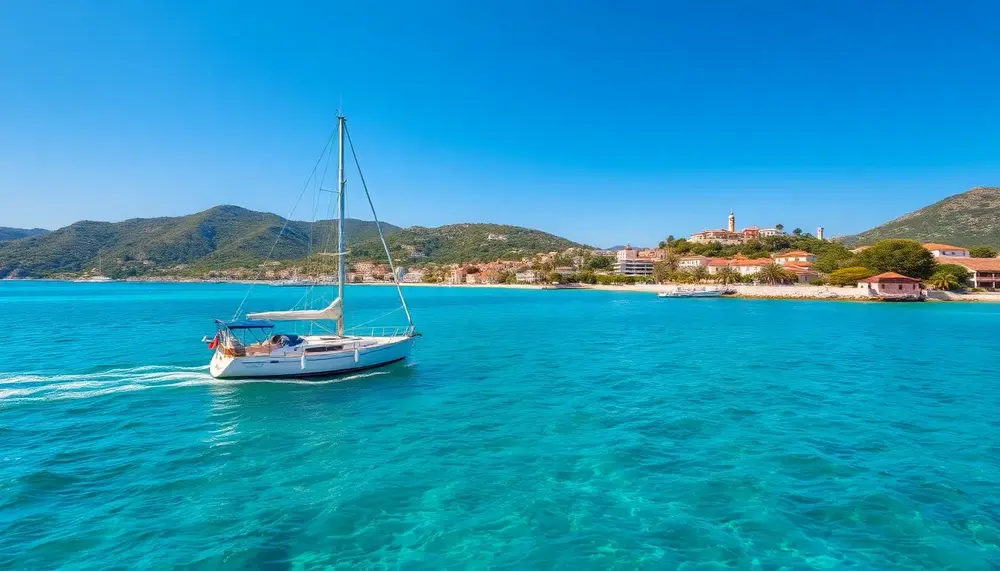
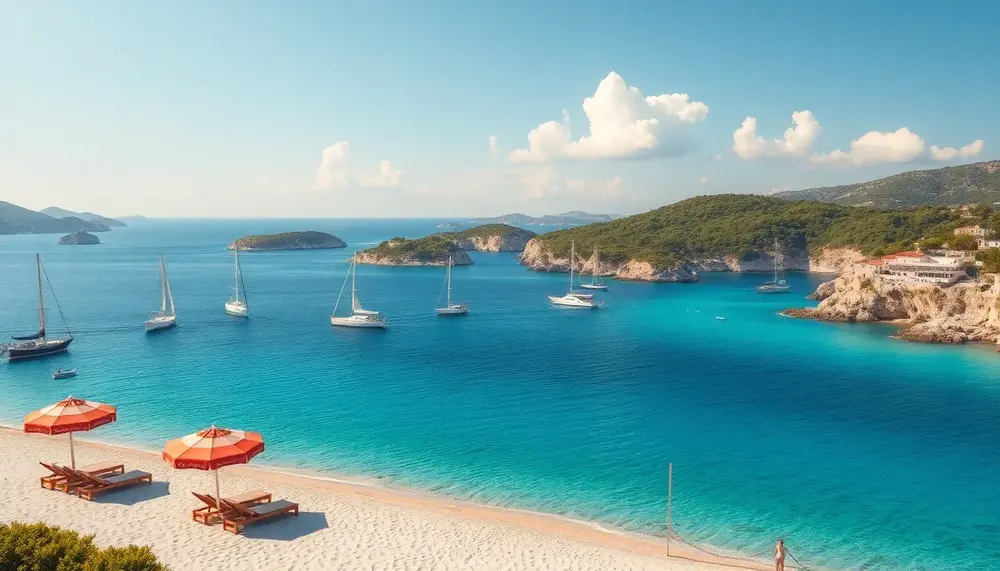
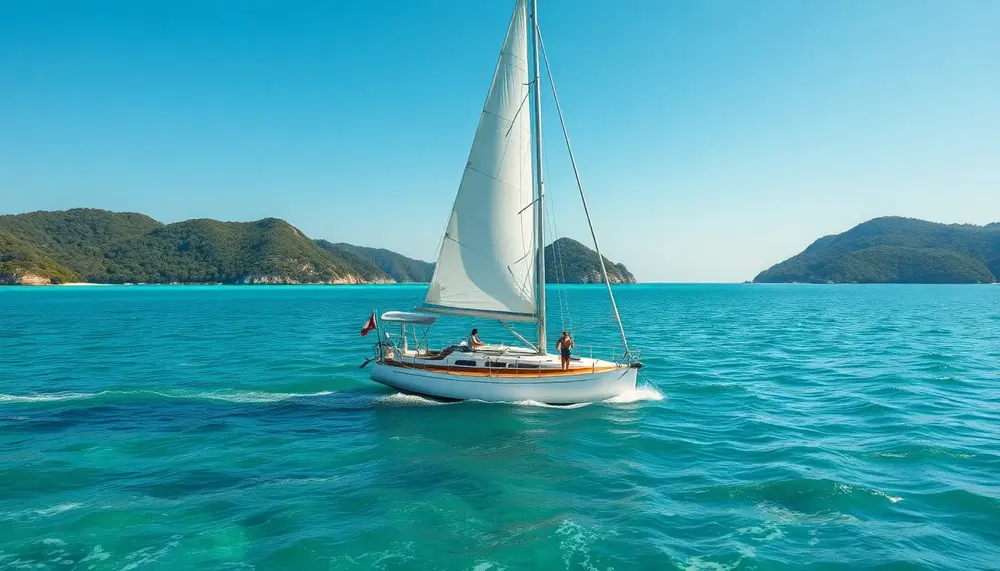
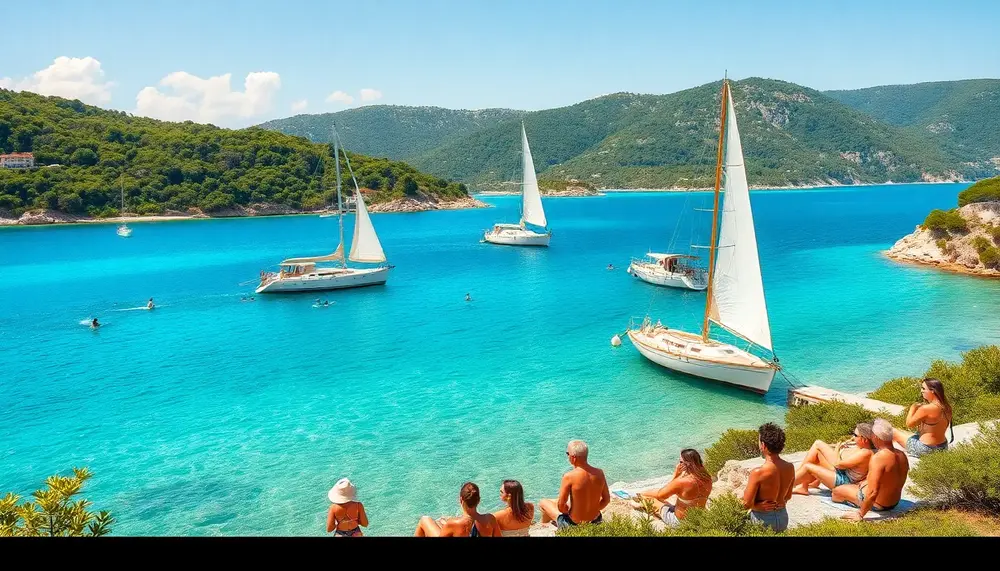
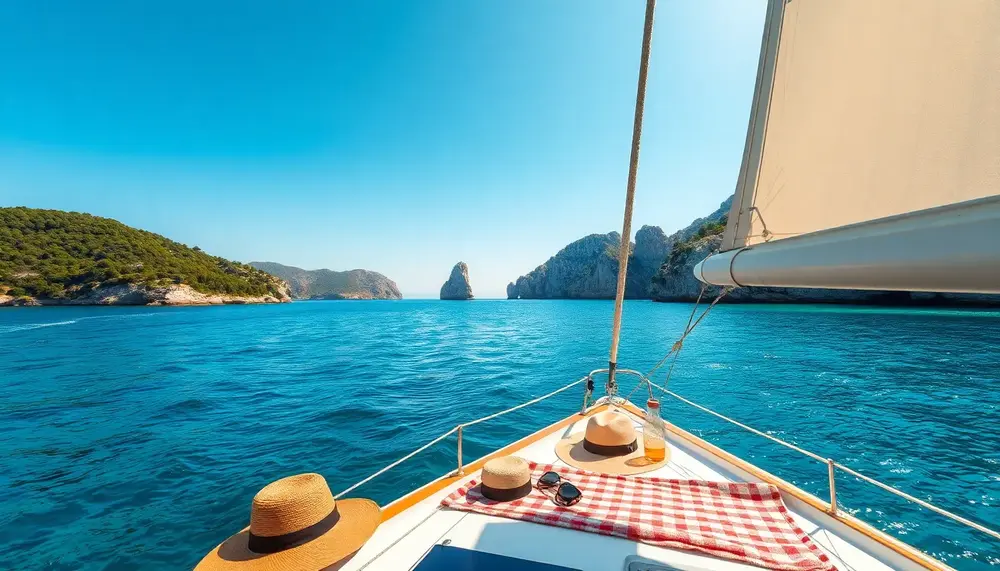
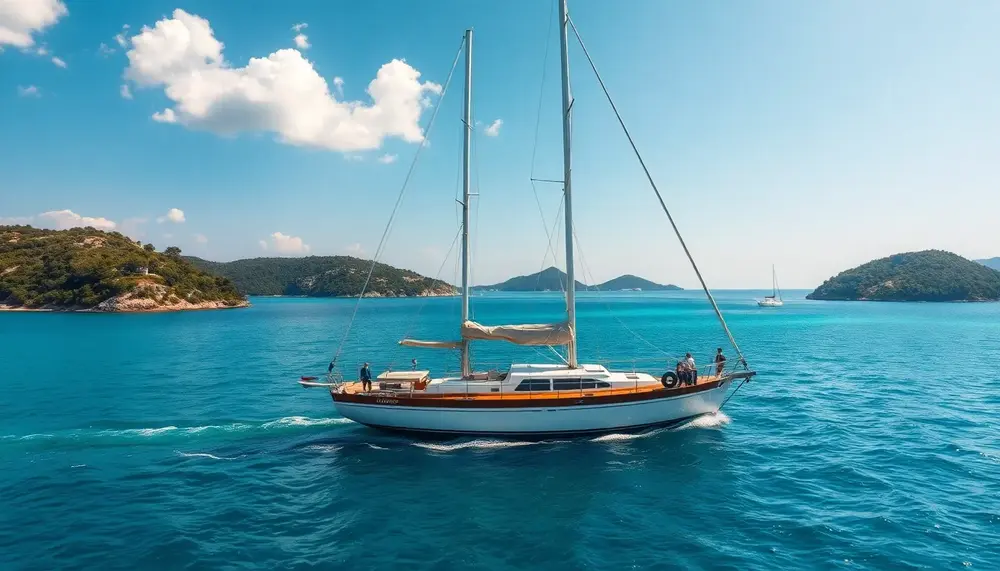
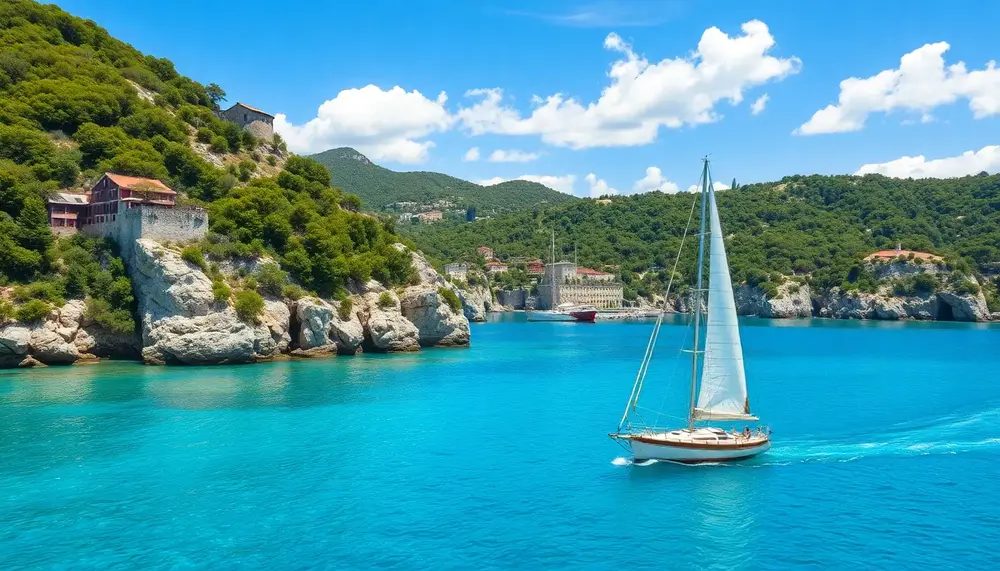
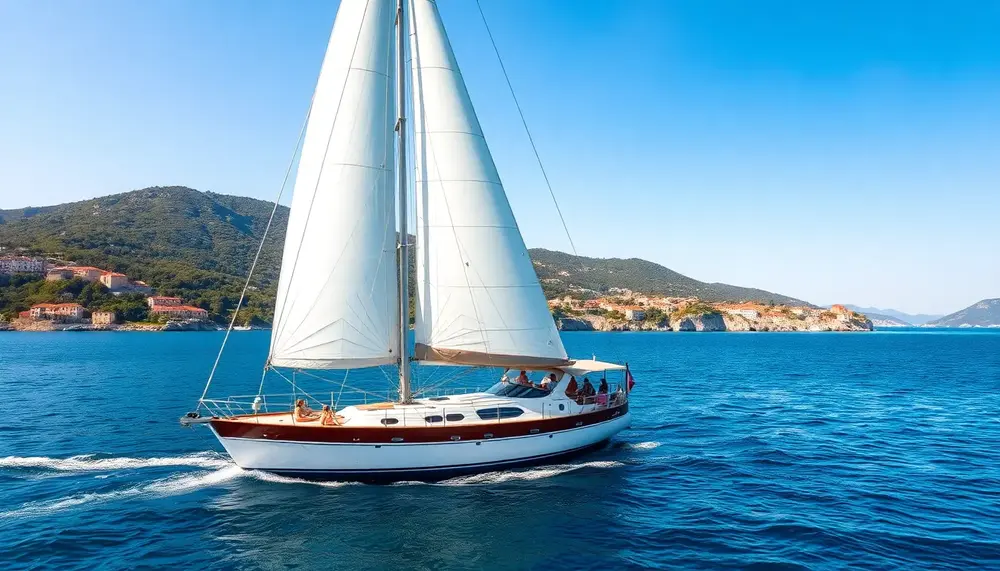
Croatia's coastline stretches over 1,800 kilometers, with more than 1,200 islands, islets, and reefs scattered across the Adriatic — making it one of the most compelling sailing destinations in the Mediterranean. The prevailing Mistral wind blows reliably from the northwest during summer afternoons, typically reaching 15–20 knots, giving sailors predictable conditions from June through September. Combine this with crystal-clear water visibility down to 30 meters in places like the Kornati archipelago, and you understand why over 250,000 charter bookings are made here annually.
Choosing Your Route: North, Central, or South Dalmatia
Your starting marina largely determines your experience. Split is the undisputed hub of Croatian sailing, offering direct access to both the central and southern Dalmatian chains. Sailing north from Split puts you into the Šibenik archipelago and Kornati National Park within a day — Kornati alone contains 89 islands and is largely uninhabited, making it ideal for anchoring in secluded bays. Heading south from Split opens up the Hvar–Vis–Lastovo triangle, a route favored by experienced sailors for its combination of lively harbor towns and remote anchorages. For a thorough overview of where to go and how to sequence your stops, the detailed breakdown of Croatian sailing destinations is an essential planning resource.
The northern route out of Zadar offers a compelling alternative, particularly for those interested in the Zadar archipelago and the less-trafficked islands of Dugi Otok and Silba. Marinas here are smaller, prices are lower, and the crowds noticeably thinner than in the Split corridor during peak July–August weeks.
Vessel Types and Organized Tour Formats
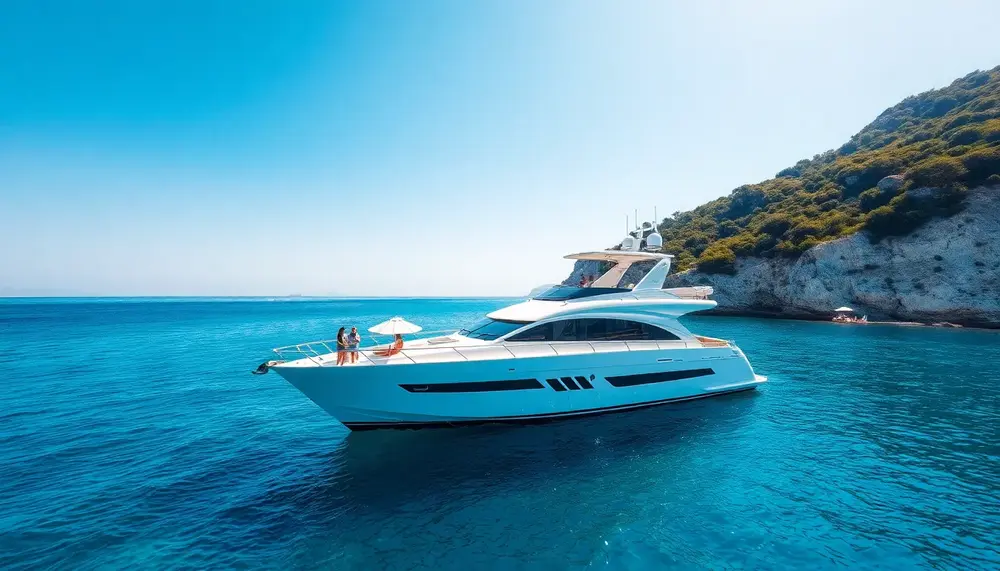
Charter options fall into three main categories: bareboat charters, skippered charters, and flotilla or guided group tours. Bareboat rentals require proof of sailing competency — typically an ICC (International Certificate of Competence) or equivalent — and security deposits ranging from €1,500 to €4,000 depending on vessel size. If you want the freedom to set your own pace without the logistics of route planning, renting your own vessel gives you maximum flexibility across the archipelagos. A standard 40-foot Bavaria or Jeanneau catamaran runs approximately €2,500–€3,500 per week in high season.
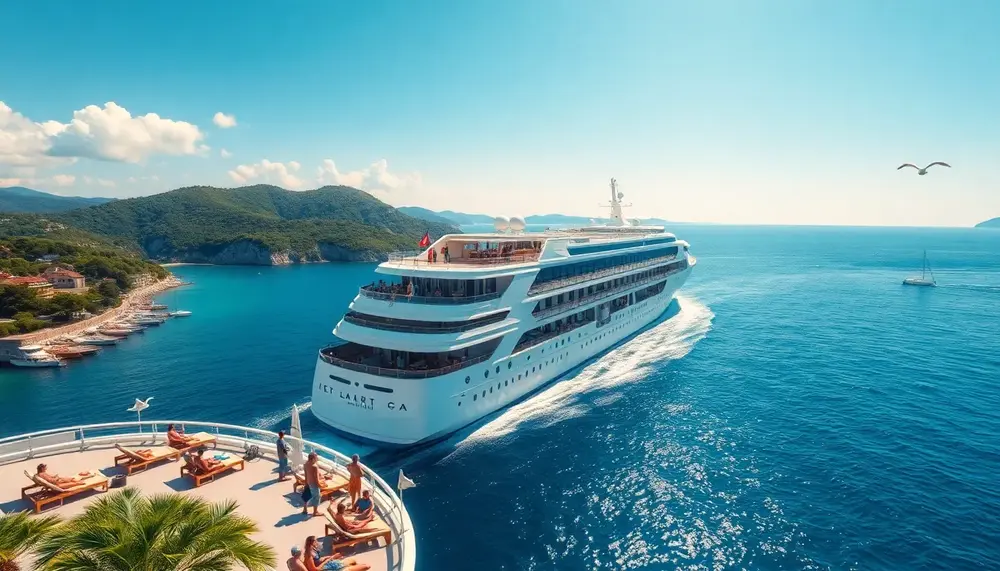
For those who prefer a fully guided experience, purpose-built cruise vessels have transformed the market in recent years. Sail Croatia operates some of the most well-regarded itineraries on the Adriatic, using modern fleet vessels catering to specific demographics — from party-oriented 20s-and-30s trips to more relaxed, culturally focused departures. Their flagship vessel offers a premium experience with fixed itineraries covering Hvar, Korčula, Dubrovnik, and Montenegro; you can see what sailing aboard the Queen Jelena actually looks like before committing to a booking. For a different atmosphere on the same operator's fleet, the Navigator itinerary appeals to adventure-focused travelers who want structured excursions built into each port stop.
Key practical considerations when booking any sailing arrangement in Croatia:
- Book by January–February for July and August departures — prime weeks sell out 6+ months in advance
- Provisioning in Split, Zadar, or Dubrovnik supermarkets costs 40–60% less than buying on the islands
- Marina fees in Hvar Town or Korčula run €80–€150 per night in peak season; anchoring in bays is usually free
- Vignette requirements for Croatian waters: foreign-flagged vessels need a nautical tourist license, obtainable at port authority offices for roughly €150–€200
Comparing Sail Croatia Tours: Prices, Crowds and Party Culture
Sail Croatia dominates the Croatian sailing market with good reason — they operate over 20 different tour routes catering to distinct traveler types. But the gap between their offerings is wider than most first-timers expect. Choosing the wrong tour means either ending up on a floating nightclub when you wanted sunsets and snorkeling, or booking a mellow island-hopper and wondering why everyone's asleep by 11pm. Understanding the structure before you book saves a lot of disappointment.
What You Actually Pay — and What It Covers
Base prices for Sail Croatia tours typically start around €700–€900 for a one-week trip in shoulder season (May or October), climbing to €1,200–€1,600+ per person for peak July and August departures. That headline figure rarely tells the whole story. When you break down what's included in the actual ticket price, you'll find that meals, most island excursions, and port fees are frequently excluded — meaning a "budget" week can realistically cost €400–€600 more once you factor in daily lunches, beach bars, and optional activities like sea kayaking or cliff diving tours.
The Essential tier sits at the lower end and attracts a younger, more cost-conscious crowd. Premium tours include a higher meal allowance, newer vessels, and smaller group sizes (typically 36 passengers versus 50+). For couples or travelers over 28, the premium differential — usually €200–€300 — is almost always worth paying for the additional space alone.
Party Intensity: A Genuine Spectrum
Sail Croatia's reputation as a party operator is earned, but selectively applied. Tours like the Ultra route and the popular Summer Groove are genuinely festival-on-water experiences — boat parties, club nights in Hvar and Split, and very little enforced downtime. If that's your goal, these tours deliver. Anyone curious about what the party boat experience actually looks like day-to-day will find the reality matches the marketing closely on these specific routes.
The Explorer and Island Discovery tours operate on a completely different frequency — longer stops at lesser-visited islands like Vis, Mljet, or Lastovo, more flexible mornings, and a crowd averaging 25–35 rather than 19–24. These aren't just quieter versions of the same trip; they're architecturally different itineraries built around different priorities.
Where Sail Croatia sometimes loses ground is in the mid-range — tours that promise balance but deliver neither serious party culture nor genuine off-the-beaten-path exploration. Reading recent traveler reviews (not just the operator's curated ones) by departure month is essential, since the same route in July behaves very differently than in September.
Competitor comparisons are worth doing seriously. Weighing Sail Croatia against Contiki reveals meaningful differences in itinerary flexibility, vessel size, and average passenger age — factors that matter more than brochure photos. Similarly, stacking Sail Croatia against Yacht Week highlights a fundamental split: organized group sailing with built-in social structure versus a looser, more expensive fleet-based format that suits experienced sailors and those who prefer self-directed schedules.
- Book 4–6 months ahead for July/August — popular routes sell out by March
- Solo travelers can request cabin-share matching to avoid the single supplement (typically €150–€250)
- Shoulder season (May, September) offers 15–25% lower prices with comparable weather and fewer crowds at stops
- Deposit structure is usually €200–€300 to hold a spot, with the balance due 60–90 days before departure
FAQ about Exploring Croatia's Coastline
What is the best time to visit Croatia's coastline?
The best time to visit is during May, June, or September, when the weather is pleasant, crowds are smaller, and prices are more reasonable compared to the peak months of July and August.
How many islands does Croatia have?
Croatia boasts approximately 1,244 islands, islets, and reefs, making it one of the most diverse coastal regions in Europe.
What are the main attractions along the Dalmatian coast?
Key attractions include historic cities like Dubrovnik and Split, beautiful beaches along the Makarska Riviera, and the scenic Kornati National Park.
What kind of activities can I do on the Croatian coast?
Visitors can enjoy various activities including sailing, swimming, hiking, exploring cultural sites, and tasting local cuisine.
How do the winds affect sailing conditions in Croatia?
The bura and jugo winds significantly influence sailing conditions. The bura is a strong northeastern wind, while the jugo is a humid southeasterly wind, both requiring careful navigation.