
Table of Contents:
Croatian Cuisine Made Easy and Fun for Children
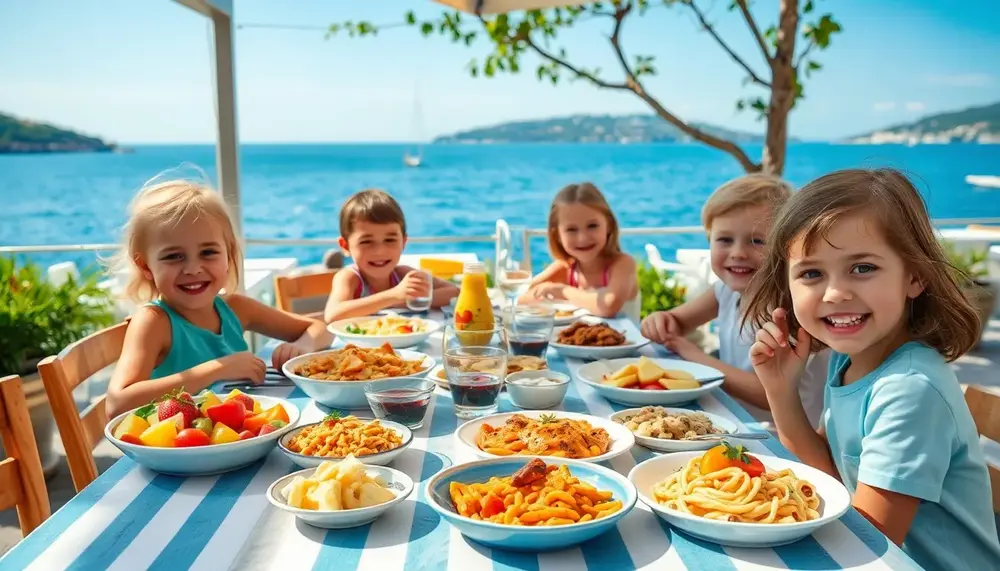
Croatian cuisine is not just delicious; it’s also a fantastic way to engage children with new flavors and cooking experiences. Here’s how to make Croatian food fun and easy for kids to enjoy.
- Interactive Cooking: Involve your children in the kitchen! Simple recipes like štrukli (cheese-filled pastry) can be a fun family project. Kids love to mix ingredients, shape the dough, and see their creations come to life.
- Colorful Ingredients: Croatian dishes often include vibrant vegetables and fruits. Encourage kids to pick colorful ingredients like bell peppers, tomatoes, and fresh herbs. Making meals visually appealing can make children more excited to eat them!
- Flavorful Yet Simple: Many Croatian recipes are easy to follow. Dishes like pasta with tomato sauce or goulash can be simplified. Just focus on the basics and let the kids add their favorite spices or toppings.
- Seafood Fun: If your kids are open to trying seafood, make it an adventure! Dishes like calamari or shrimp can be grilled or fried, making them crispy and fun to eat. You can even let them help with the seasoning.
- Sweet Treats: Don't forget desserts! Treats like krempite (custard cream cake) or apple strudel are not only delicious but also fun to make. Kids can help with layering and sprinkling powdered sugar on top.
- Food Stories: Share stories about the origins of Croatian dishes. This can spark curiosity and excitement about trying new foods. For example, talk about the tradition of fishing in the Adriatic Sea when serving a seafood meal.
- Theme Nights: Create themed dinner nights where you focus on a specific region of Croatia. For instance, a Dalmatian night could feature seafood dishes, while an inland night could showcase hearty stews.
- Language Learning: Incorporate language lessons by teaching kids the names of the dishes in Croatian. Use fun flashcards or apps like Dinolingo to make learning interactive.
By making Croatian cuisine accessible and enjoyable, you can foster a love for cooking and exploring different cultures in your children. It’s all about creating memories around the dinner table!
Daily Meals in Croatia
Daily meals in Croatia are an integral part of the culture, reflecting the country’s rich culinary heritage. Each meal is an opportunity to enjoy a variety of flavors and ingredients, making it an exciting experience for children. Here’s a closer look at what a typical day of meals looks like in Croatia.
Breakfast is often a light affair, providing a gentle start to the day. Kids typically enjoy:
- Bread with jam or honey, a staple that many kids find comforting.
- Croissants or pastries filled with cheese or fruit, perfect for a quick bite.
- Chocolate milk or tea, which adds a delightful twist to the morning routine.
Lunch is considered the most important meal of the day and is usually more substantial. It generally consists of:
- Soups such as chicken soup or vegetable broth, often served first to warm up the family.
- Main courses that include meat and vegetables, like roasted chicken with potatoes or beef stew with seasonal veggies.
- Salads that change with the seasons. In summer, fresh salads drizzled with olive oil and vinegar are common, while winter may feature pickled vegetables.
Dinner tends to be lighter than lunch and often includes:
- Leftovers from lunch, making it a practical choice for busy families.
- Simple dishes like cured meats, cheeses, or bread with spreads, which are easy to prepare.
- Light soups or salads, ensuring that the meal is satisfying without being too heavy before bedtime.
Bread is a constant companion throughout the day. It is served with nearly every meal, symbolizing hospitality and comfort. Kids often enjoy dipping bread into their soups or using it to scoop up their main dishes.
This structured meal routine not only provides nourishment but also creates a wonderful opportunity for families to bond over food, explore new tastes, and learn about Croatian culture together. Each meal becomes a mini-adventure, allowing children to discover and enjoy the flavors of Croatia.
Pros and Cons of Kid-Friendly Croatian Food
| Pros | Cons |
|---|---|
| Variety of flavors that introduce kids to different cuisines. | Some dishes may be too spicy or rich for younger children. |
| Interactive cooking activities that engage children. | Access to certain ingredients may vary by location. |
| Healthy options, including fresh fruits and vegetables. | Not all traditional dishes are suitable for children’s dietary restrictions. |
| Involves family bonding through cooking and meal preparation. | Time-consuming to prepare some traditional recipes. |
| Encourages kids to try new foods and flavors. | May require parents to introduce and explain new foods. |
Breakfast Options for Kids
Breakfast in Croatia offers a delightful start to the day, especially for children. It’s typically light and designed to provide just the right amount of energy for a busy morning. Here are some popular breakfast options that kids tend to enjoy:
- Bread and Spreads: Fresh bread is a staple. Kids love it with jam, honey, or even a spread of butter. This simple combination is both tasty and comforting.
- Croissants and Pastries: Flaky croissants or sweet pastries filled with cheese, chocolate, or fruit are also popular. These treats can make breakfast feel special and indulgent.
- Cereal and Milk: A quick and easy option, many families opt for cereals. Kids can choose their favorites and enjoy them with milk, which is an excellent source of calcium.
- Yogurt with Fruit: Creamy yogurt topped with fresh fruit or a sprinkle of granola is a nutritious choice. It’s refreshing and can be customized with different toppings.
- Omelettes or Scrambled Eggs: For a protein-packed start, many families prepare omelettes or scrambled eggs. Adding vegetables or cheese can make them even more appealing to kids.
- Hot Chocolate or Tea: Instead of coffee, children often enjoy warm beverages like hot chocolate or herbal tea, which can be a cozy addition to their breakfast routine.
These breakfast options not only provide essential nutrients but also introduce children to a variety of flavors and textures. By enjoying these meals together, families can create lasting memories and foster a love for Croatian cuisine from an early age.
Lunch: The Heart of Croatian Meals
Lunch is the heart of Croatian meals, cherished for its variety and the opportunity it provides for families to gather together. This meal is typically the largest of the day, offering a chance to enjoy a range of flavors and dishes that reflect the country’s culinary diversity.
Structure of Lunch: A traditional Croatian lunch usually consists of three main components:
- Soup: The meal often begins with a hearty soup. Popular choices include chicken soup or vegetable broth, which warm the palate and prepare the appetite for the main course.
- Main Course: This is typically the highlight of the meal, featuring a protein such as pork, beef, or chicken accompanied by seasonal vegetables. Dishes like roasted lamb or veal cutlets are common favorites, often served with potatoes or rice.
- Salad: Lunch concludes with a refreshing salad, which varies by season. In summer, fresh salads made with tomatoes, cucumbers, and peppers dressed with olive oil and vinegar are popular, while winter might see heartier options with pickled vegetables.
Family and Cultural Significance: Lunch is more than just a meal; it serves as an important social event. Families often take the time to sit together, share stories, and enjoy each other's company. It’s common for children to help in the kitchen, learning traditional recipes from their parents or grandparents.
Regional Variations: Depending on the region, lunch offerings can vary significantly. Coastal areas may emphasize seafood dishes, while inland regions might focus on heartier meat stews and pasta. This diversity not only showcases Croatia’s rich culinary heritage but also encourages children to appreciate the variety of ingredients available in their country.
Overall, lunch in Croatia is a delightful experience, filled with flavors and traditions that foster a sense of community and connection among family members. It’s a wonderful opportunity for children to engage with their culture and learn about the significance of food in daily life.
Dinner: Simple and Tasty Choices
Dinner in Croatia is typically a simpler affair compared to lunch, but it still offers a variety of tasty options that appeal to children. This meal often features leftover ingredients from lunch or easy-to-prepare dishes, making it practical for busy families.
Common Dinner Choices: Families often opt for the following types of dishes during dinner:
- Cured Meats and Cheese: A platter of local cured meats such as pršut (prosciutto) and cheeses like sir is a popular choice. Kids enjoy assembling their own sandwiches or wraps with these ingredients.
- Light Soups: Soups made with seasonal vegetables or broths are a common dinner item. These can be quick to prepare and provide a warm, comforting start to the meal.
- Simple Pasta Dishes: Pasta is a favorite among kids. Quick recipes like pasta with tomato sauce or pasta with cheese can be easily whipped up, allowing for a satisfying meal in no time.
- Grilled or Roasted Vegetables: Many families incorporate grilled or roasted seasonal vegetables into their dinners. This not only adds flavor but also ensures that kids are getting their daily servings of veggies.
- Salads: A simple side salad can complement any dinner. Using fresh ingredients, kids can help toss together a salad with their favorite toppings, making it a fun and interactive part of the meal.
- Quick Stir-Fries: Using leftover meats and vegetables, stir-fries are a fast and versatile option. Kids can help choose what goes into the dish, making them more likely to enjoy their meal.
Family Bonding: Dinner is an excellent opportunity for families to relax and connect after a long day. Sharing stories and discussing the day’s events over a meal fosters communication and strengthens family bonds.
Incorporating these simple yet delicious options into dinner not only makes mealtime enjoyable for children but also encourages them to develop a taste for home-cooked meals and traditional Croatian flavors.
Seafood Delights for Young Palates
Seafood is a highlight of Croatian cuisine, particularly for families living along the beautiful Adriatic coast. Children can develop a taste for the ocean’s bounty through a variety of dishes that are both nutritious and flavorful. Here’s a look at some seafood delights that are perfect for young palates.
Popular Seafood Dishes:
- Grilled Fish: Simple and delicious, grilled fish like branzino (sea bass) or dorade is often served with a drizzle of olive oil and a squeeze of lemon. This dish is not only healthy but also encourages kids to try new flavors.
- Octopus Salad: A refreshing dish made with tender pieces of octopus, diced vegetables, and a light vinaigrette. Its colorful presentation and unique texture can intrigue children and make them more willing to sample seafood.
- Cuttlefish Risotto: Creamy and rich, risotto made with cuttlefish is a comforting choice. The dish’s black color, derived from cuttlefish ink, can be a fun talking point for kids, making the meal feel adventurous.
- Fish Stew (Brodet): This hearty stew combines various types of fish and shellfish with tomatoes, garlic, and herbs. It’s a flavorful introduction to seafood, often served with polenta, making it a filling option for dinner.
- Calamari: Fried calamari is a popular choice among kids. The crispy coating and tender inside create a delightful texture that many young eaters enjoy. Pairing it with a tangy dipping sauce can enhance the experience.
Health Benefits: Seafood is an excellent source of protein, omega-3 fatty acids, and essential vitamins. Introducing these dishes to children can promote healthy eating habits while also expanding their culinary horizons.
Cooking Together: Involving children in the preparation of seafood dishes can make them more excited about eating them. Simple tasks like washing and seasoning fish or assembling a salad can be a fun family activity.
By incorporating seafood into meals, families can create enjoyable dining experiences that encourage children to embrace new flavors and appreciate the culinary richness of Croatia.
Mountain and Inland Dishes for Kids
Mountain and inland dishes in Croatia offer hearty and flavorful options that are perfect for kids. This cuisine is characterized by its robust flavors and comforting ingredients, making it a great way to introduce children to traditional Croatian meals.
Key Dishes for Kids:
- Štrukli: These are delightful pastries filled with cheese, often baked or boiled. They can be served as a main dish or a side, and their soft texture is usually a hit with children.
- Goulash: A rich stew made with beef, vegetables, and spices. This dish can be made mild for younger palates and served with bread or dumplings, making it a filling option for dinner.
- Čobanac: A shepherd's stew that combines various meats with vegetables and spices. This dish is hearty and can be customized to suit children's tastes by adjusting the spice level.
- Sarma: Cabbage rolls stuffed with minced meat and rice, cooked in a tomato sauce. This dish is both nutritious and fun to eat, as kids can enjoy unrolling their own cabbage rolls.
- Kulen: A spicy sausage made from pork, it can be sliced and served as part of a platter. The flavor can be mild or spicy, allowing families to choose according to their children's preferences.
- Potato Dishes: Various potato preparations, such as mashed potatoes or potato gratin, are common. These dishes provide a comforting side that pairs well with many main courses.
- Apple Strudel: For dessert, this sweet pastry filled with apples and cinnamon is a favorite. It’s not only delicious but also a great way to introduce kids to traditional desserts.
Involving Kids in Cooking: Preparing these dishes can be a fun family activity. Kids can help with simple tasks like mixing ingredients or rolling dough, which makes them more likely to try the dishes they’ve helped create.
By exploring these mountain and inland dishes, children can develop a taste for hearty, traditional Croatian cuisine while enjoying the warmth and comfort of home-cooked meals.
Learning Croatian Through Food Exploration
Learning Croatian through food exploration is an engaging way to introduce children to the language and culture. Food provides a tangible connection to the traditions and customs of Croatia, making language learning more relatable and enjoyable.
Connecting Language and Culture: Cooking and eating traditional Croatian dishes allow kids to immerse themselves in the language. Here are some effective strategies:
- Recipe Reading: Encourage children to read recipes in Croatian. This practice helps them familiarize themselves with culinary vocabulary while learning about measurements and cooking terms.
- Food Vocabulary: Introduce essential food-related words and phrases during meal prep. Use flashcards or fun games to teach names of ingredients, cooking methods, and common phrases used in the kitchen.
- Cultural Stories: Share stories and folklore associated with specific dishes. Discussing the origins of meals like sarma or štrukli in Croatian can enhance language skills while providing cultural context.
- Interactive Cooking Sessions: Involve kids in cooking traditional dishes while speaking Croatian. This hands-on approach reinforces vocabulary in a practical setting, making the language come alive.
- Dining Etiquette: Teach children about Croatian dining customs and table manners in the language. This includes how to greet guests, say "bon appétit," or express gratitude after a meal.
- Food-Themed Activities: Use food as a theme for various activities, such as creating a Croatian food journal where kids can write down new words or phrases they learn while cooking or tasting different dishes.
Resources for Learning: Consider using interactive language learning platforms like Dinolingo, which combines language education with fun activities and games, specifically designed for children. This can further enhance their learning experience through engaging and interactive content.
By exploring Croatian cuisine, children can develop language skills and a deeper appreciation for their cultural heritage. This approach transforms language learning into a delightful culinary adventure.
Interactive Language Learning with Dinolingo
Dinolingo offers an exciting way for children to learn Croatian through interactive language lessons centered around food exploration. This method combines language learning with culinary adventures, making it both fun and educational.
Engaging Learning Activities: Dinolingo provides a variety of activities that capture children's interest:
- Interactive Games: Fun games that involve food vocabulary help children retain new words while enjoying themselves. These games often include matching images with words or completing sentences.
- Cooking Challenges: Kids can participate in cooking challenges where they follow recipes in Croatian. This hands-on experience allows them to practice their language skills while creating delicious meals.
- Song and Dance: Songs related to food and cooking make learning the language enjoyable. Singing along helps improve pronunciation and memorization of key phrases.
- Visual Learning: Dinolingo uses colorful images and animations that represent different foods and cooking processes. This visual approach helps children connect words with their meanings more effectively.
- Cultural Insights: Lessons often include cultural notes about Croatian food traditions, enriching the language learning experience by providing context and background.
Building Confidence: As children learn to identify and use food-related vocabulary, they gain confidence in their language skills. This confidence can motivate them to explore more complex topics in Croatian.
Accessible Learning: Dinolingo is designed for young learners, making it easy for parents to incorporate language practice into daily routines. Whether in the kitchen or during mealtime, children can engage with the language naturally and organically.
By utilizing Dinolingo’s interactive platform, children can not only learn Croatian effectively but also develop a love for the language and the rich culinary traditions of Croatia. This engaging approach transforms language learning into an exciting culinary journey.
Popular Kid-Friendly Croatian Dishes
When it comes to Croatian cuisine, there are several popular dishes that are particularly appealing to children. These meals are not only delicious but also provide an opportunity for kids to explore new flavors in a fun and engaging way.
Kid-Friendly Croatian Dishes:
- Pljeskavica: Often referred to as the Croatian burger, this grilled meat patty is usually made from a mix of pork, beef, and spices. Served in a bun with fresh vegetables and sauces, it’s a favorite among kids for its juicy flavor and customizable toppings.
- Fritule: These small, sweet doughnuts are a popular treat, especially during festivals. Made with flour, eggs, and sugar, they are often flavored with citrus zest and dusted with powdered sugar, making them irresistible to children.
- Cheese Štrukli: A delightful dish consisting of dough filled with cheese, either boiled or baked. Its mild flavor and soft texture make it a hit with kids, and it can be served as a main dish or a side.
- Pasta with Pesto: Croatian pasta dishes, especially those made with a fresh basil pesto, are not only easy to prepare but also packed with flavor. Children enjoy the vibrant color and the delicious taste, making it a healthy option for lunch or dinner.
- Fruit Strudel: This traditional dessert features layers of thin pastry filled with sweet fruits, typically apples or cherries. It’s a delightful way for kids to enjoy fruit while indulging in a tasty treat.
- Chickpea Stew: A hearty and nutritious option, chickpea stew can be flavored with various spices and served with bread. Its rich taste and filling nature make it a great meal for children who enjoy a bit of adventure in their food.
These popular kid-friendly Croatian dishes not only satisfy young appetites but also encourage children to appreciate the diverse flavors of their heritage. By introducing them to these meals, families can foster a love for cooking and trying new foods, making mealtime a fun and educational experience.
Healthy Snacks and Desserts for Children
Healthy snacks and desserts are an essential part of Croatian cuisine, providing children with nutritious options that are both delicious and fun to eat. Here are some popular choices that make for great snacks and sweet treats for kids:
Healthy Snacks:
- Fresh Fruit: Croatia is home to a variety of fruits, including apples, pears, and berries. Serving a colorful fruit salad or simply sliced fruit can be a refreshing and nutritious snack.
- Vegetable Sticks with Dip: Carrot and cucumber sticks served with a yogurt or tzatziki dip make for a crunchy, healthy option. Kids can have fun dipping their veggies while enjoying the flavors.
- Nut and Seed Mix: A homemade mix of nuts and seeds can provide energy and essential nutrients. Consider adding dried fruits for a touch of sweetness, making it appealing to children.
- Whole Grain Crackers: Crackers made from whole grains paired with cheese or hummus are great for a satisfying snack. They offer a good balance of carbohydrates and protein.
Delicious Desserts:
- Fruit Strudel: A classic Croatian dessert made with thin pastry filled with seasonal fruits, such as apples or cherries. It’s lightly sweetened and can be served warm, making it a comforting choice.
- Krempite: These soft custard cream cakes feature layers of flaky pastry and creamy filling. They are a hit with children due to their light texture and sweet flavor.
- Yogurt Parfaits: Layering yogurt with granola and fresh fruit can create a visually appealing dessert. Kids can help assemble their parfaits, making it a fun activity.
- Chocolate-Covered Fruit: Dipping fruits like strawberries or bananas in melted dark chocolate can turn a healthy snack into a delightful treat. This sweet indulgence is sure to please any child.
These healthy snacks and desserts not only satisfy sweet cravings but also encourage children to make nutritious choices. By incorporating these options into their diets, families can foster healthy eating habits while enjoying the rich flavors of Croatian cuisine.
Beverages Kids Will Love in Croatia
In Croatia, there are plenty of beverages that kids will love, offering a delightful mix of flavors that complement the rich culinary tradition of the country. Here are some popular drink options that are both refreshing and enjoyable for children:
Refreshing Beverages:
- Homemade Lemonade: Freshly squeezed lemon juice mixed with water and sugar creates a tangy and refreshing drink. Kids can enjoy it on hot summer days, often garnished with mint leaves for added flavor.
- Fruit Juices: Juices made from local fruits such as oranges, apples, and pomegranates are widely available. These natural juices provide essential vitamins and are a tasty alternative to sugary drinks.
- Milk and Dairy Drinks: Traditional dairy beverages like kefir or ayran (a yogurt-based drink) are not only nutritious but also popular among children. These drinks are creamy and slightly tangy, making them a unique choice.
- Herbal Teas: Mild herbal teas, such as chamomile or mint, can be served warm or cold. These teas are soothing and can be enjoyed by children, especially during colder months.
- Soda Water with Fruit: Mixing soda water with a splash of fruit juice, such as cherry or peach, creates a fizzy and fun drink that kids love. It’s a lighter alternative to soft drinks while still being exciting.
Special Occasions:
- Croatian Šampanjac: For celebrations, a non-alcoholic sparkling drink known as šampanjac is popular. It’s often made from grape juice and has a festive fizz that children enjoy during family gatherings.
- Hot Chocolate: A rich and creamy hot chocolate made from real chocolate or cocoa powder is a favorite among kids, especially in winter. It’s often topped with whipped cream or marshmallows for an extra treat.
These beverages not only provide hydration but also contribute to a well-rounded diet. By introducing children to these delightful drinks, families can enhance their dining experiences and encourage an appreciation for Croatian flavors.
Exploring Croatian Food Culture Together
Exploring Croatian food culture together is a wonderful way for families to bond and create lasting memories. This culinary journey allows children to connect with their heritage while enjoying the delicious flavors that Croatia has to offer.
Family Cooking Experiences: Involving children in the cooking process not only teaches them essential kitchen skills but also encourages teamwork and creativity. Here are some ideas to make cooking a family affair:
- Recipe Nights: Designate a night each week to cook a traditional Croatian dish together. Each family member can take on a specific role, from measuring ingredients to mixing and serving.
- Food Markets: Visit local markets to explore fresh ingredients together. Discussing different fruits, vegetables, and meats can spark curiosity and excitement about cooking.
- Themed Dinners: Organize themed dinners based on different regions of Croatia. Each family member can research a dish and present it, sharing facts about the region and its culinary traditions.
Cultural Learning: Food is a gateway to understanding Croatian culture and traditions. Engaging with the stories behind dishes can enrich the experience:
- Folklore and History: Share tales related to specific dishes, such as the origins of sarma or the significance of seafood in coastal regions. This storytelling can enhance children’s appreciation for their cultural heritage.
- Festivals and Celebrations: Participate in local food festivals or events that showcase Croatian cuisine. These experiences provide a hands-on understanding of the importance of food in Croatian culture.
Encouraging Exploration: Encourage children to explore new flavors and ingredients beyond traditional dishes. This can be done through:
- Taste Tests: Set up blind taste tests with various Croatian cheeses, breads, or pastries. This fun activity can help kids develop their palates and preferences.
- Cooking Challenges: Host friendly competitions where family members create their own versions of classic dishes. This encourages creativity while fostering a love for cooking.
By exploring Croatian food culture together, families can foster a deep appreciation for their culinary heritage while creating delicious memories. This shared experience not only enhances cooking skills but also strengthens family bonds through the joy of food.
Frequently Asked Questions About Croatian Kid-Friendly Cuisine
What are some popular kid-friendly dishes in Croatia?
Popular kid-friendly dishes include Pljeskavica (Croatian burger), Cheese Štrukli (cheese-filled pastry), Fritule (sweet doughnuts), Pasta with Pesto, and Fruit Strudel.
Are there healthy snacks for kids in Croatian cuisine?
Yes, healthy snacks include fresh fruits like apples and berries, vegetable sticks with dip, homemade nut and seed mixes, and whole grain crackers with cheese.
What beverages do children enjoy in Croatia?
Children enjoy beverages like homemade lemonade, fruit juices, dairy drinks such as kefir, herbal teas, and fizzy drinks mixed with fruit juice.
How can families incorporate Croatian cuisine into their meals?
Families can incorporate Croatian cuisine by cooking traditional dishes together, visiting local markets for fresh ingredients, and organizing themed dinner nights based on different regions.
How does cooking help children learn about Croatian culture?
Cooking traditional Croatian meals allows children to connect with their heritage, learn about ingredients and recipes, and discover the stories and customs associated with food.