Table of Contents:
Portugal's Major Wine Regions Decoded: Douro, Alentejo, Vinho Verde and Beyond
Portugal packs more indigenous grape varieties into its borders than almost any other wine-producing country on earth — over 250 officially recognized cultivars, many found nowhere else. That biodiversity alone makes it one of the most rewarding destinations for serious wine travelers. But navigating its nine DOC regions requires more than a map. Each zone operates under distinct soil conditions, microclimates, and winemaking traditions that directly shape what ends up in your glass — and how you should plan your visit.
The Douro Valley: Terraced Drama and Port's Homeland
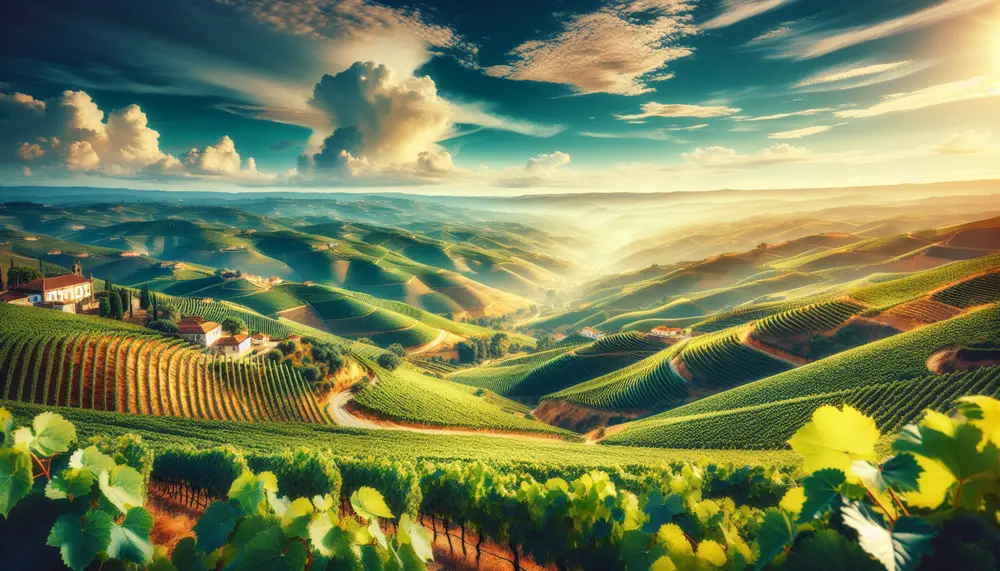
The Douro Valley is Portugal's most visually commanding wine region, a UNESCO World Heritage Site carved into schist hillsides along 100 kilometers of river bends between Peso da Régua and the Spanish border. The valley splits into three sub-zones: Baixo Corgo (cooler, wetter, entry-level Port production), Cima Corgo (the heartland of premium Port, home to famous quintas like Quinta do Crasto and Quinta do Vale Meão), and Douro Superior (extreme heat, sparse rainfall, increasingly exciting unfortified reds). If you only visit one region, make it this one — but allocate at least three days. The drive along the N222 road from Régua to Pinhão is consistently rated among the world's most scenic routes, and single-quinta visits reveal production processes that large Port lodges in Vila Nova de Gaia simply cannot replicate. Anyone exploring the contrast between Portugal's north and south will immediately sense how radically the landscape and wine philosophy shift as you travel inland.
Alentejo and Vinho Verde: Two Extremes, Both Essential
Alentejo covers roughly one-third of Portugal's land area but produces wines of striking concentration and accessibility. The region's clay and granite soils, combined with 3,000 hours of annual sunshine, yield bold reds based on Aragonês (Tempranillo), Trincadeira, and Alicante Bouschet — a rare instance where an international variety has become a regional signature. The sub-appellation of Vidigueira deserves special mention for white wines of unexpected freshness. Large wine estates here, called herdades, often include olive groves and cork oak forests alongside the vineyards, making visits feel genuinely agricultural rather than purely touristic.
Vinho Verde, by contrast, sits in Portugal's humid northwest and produces wines that are structurally the opposite — light, low in alcohol (often 9–11.5% ABV), and defined by their electric acidity. The name means "green wine," referring to youth rather than color. The Alvarinho grape from the Monção e Melgaço sub-region produces the most complex expressions, with producers like Soalheiro and Quinta de Soalheiro consistently outperforming wines at twice the price from neighboring Spain's Rías Baixas.
Beyond these three anchors, regions worth serious attention include:
- Dão — granite-soiled highlands producing Portugal's most Burgundy-like Touriga Nacional and Encruzado whites
- Bairrada — the domain of Baga, a high-acid, high-tannin grape that rewards patience and rewards informed visitors who find producers like Filipa Pato
- Setúbal Peninsula — underrated Moscatel dessert wines and fresh Arinto-based whites just 30 minutes south of Lisbon
- Colares — a micro-region near Sintra where ungrafted vines in sand have survived phylloxera; production is tiny and visits require advance planning
Understanding regional identity before you arrive separates a memorable wine tour from a generic tasting-room circuit. A deeper look at what makes each Portuguese wine landscape distinctive reveals that geography here is never incidental — it is the wine. Visitors who engage with the full breadth of Portugal's wine map, rather than defaulting to the Douro alone, consistently report the most satisfying experiences. For those planning structured itineraries, understanding which estates and guided experiences deliver real access versus polished but shallow visits is the critical next step.
How to Choose the Right Wine Tour Format: Self-Guided, Guided Group, and Private Options Compared
Portugal's wine regions span dramatically different terrains — from the vertiginous schist terraces of the Douro Valley to the flat, sun-baked plains of the Alentejo — and the tour format you choose will fundamentally shape your experience. Before booking anything, be honest about what you actually want: depth of knowledge, social interaction, flexibility, or insider access. Each format delivers something distinct, and choosing the wrong one is a surprisingly common mistake that costs both money and experience.
Self-Guided Tours: Maximum Freedom, Minimum Hand-Holding
Self-guided touring suits experienced wine travelers who already have a working knowledge of Portuguese varietals like Touriga Nacional, Alvarinho, or Antão Vaz and want to set their own pace. Renting a car in the Douro for around €35–50 per day and mapping out quintas independently gives you access to producers who rarely appear on group itineraries. Estates like Quinta do Crasto and Quinta de la Rosa both accept walk-in visitors, though pre-booking by email at least 48 hours ahead is strongly recommended, especially between June and September. The trade-off is real: without a local guide, you will miss the contextual storytelling that transforms a glass of Colheita Port into something meaningful.
For planning a self-guided route, mapping out Portugal's distinct wine regions before you go will save you from the common mistake of underestimating driving distances — the Douro Valley alone stretches over 100 kilometers from Régua to the Spanish border.
Guided Group vs. Private Tours: Where the Real Difference Lies
Guided group tours typically range from €45 to €120 per person and work best for travelers who want structured education without the premium price tag. Groups are usually capped at 12–16 people, and the quality varies enormously depending on the guide's actual wine credentials. Always check whether guides hold a WSET certification or equivalent — it matters more than the vehicle they drive you in.
Private tours start at around €250 per couple for a half-day and scale upward significantly for multi-day arrangements or cellar-door access at prestige producers. The advantage is real customization: a private guide can arrange barrel tastings at a fifth-generation family winery in the Alentejo or organize a vertical tasting of Barca Velha — Portugal's most iconic red — at estates where group visitors simply don't get that level of access. If wine is the primary reason for your trip rather than a pleasant addition to it, private almost always delivers better value per experience.
If you're still researching which estates and appellations deserve priority on your itinerary, a closer look at the country's most compelling quinta experiences will help you identify which properties genuinely reward a deeper, guide-led visit versus those where a self-guided drop-in works perfectly well.
- Self-guided: Best for wine-literate travelers, flexible schedules, budget-conscious itineraries
- Group tours: Best for solo travelers, structured learning, social wine experiences under €100
- Private tours: Best for serious collectors, honeymoon travel, access to appointment-only producers
One practical note often overlooked: Portuguese harvest season runs late September through October, and tour availability tightens considerably. Private tours during vindima (harvest) book out 6–8 weeks in advance at the most respected quintas. If those dates matter to you, treat booking the tour with the same urgency as booking your flights.
Pros and Cons of Wine Tours in Portugal
| Pros | Cons |
|---|---|
| Access to diverse wine regions with unique terroirs | Logistical planning required for multi-region visits |
| Opportunity for personalized tastings with winemakers | Potential language barriers in rural areas |
| Wide range of tour formats (self-guided, group, private) | Higher costs for guided experiences compared to self-guided |
| Seasonal activities during the harvest period (vindima) | Limited tour availability during peak harvest times |
| Engaging culinary experiences paired with local wines | Some wineries require advance booking |
| Rich cultural heritage associated with wine regions | Tourist spots can be crowded during high season |
Seasonal Timing and Harvest Cycles: When to Visit Portuguese Wine Regions for the Best Experience
Portugal's wine calendar is not a simple on/off switch — it's a layered rhythm shaped by Atlantic winds, continental heat, and altitude variations that differ dramatically from the Minho's rain-soaked granite hillsides to the sun-baked schist terraces of the Douro. Getting your timing right can mean the difference between watching grapes being hand-harvested in steep quintas or arriving to dormant vines and shuttered cellar doors. Anyone planning serious vineyard visits across the country needs to understand these cycles before booking a single flight.
The Harvest Window: Late August Through October
The Portuguese harvest — vindima — typically runs from late August in the warmer southern and inland regions to mid-October in cooler Atlantic-influenced zones like Vinho Verde. In the Douro Valley, the most dramatic harvest action concentrates between mid-September and early October, when family estates and large quintas alike deploy teams of pickers across near-vertical terraces. If you can attend a vindima at a quinta like Quinta do Crasto or Quinta da Vallado, you'll witness foot-treading in granite lagares — a practice still very much alive for premium Port and Douro reds. Alentejo typically harvests 2–3 weeks earlier than the Douro due to summer temperatures regularly exceeding 40°C, meaning late August visits there catch the action at its peak.
Harvest season delivers more than photogenic grape bins. Wineries offer hands-on treading sessions, winemaker-led tastings of fermenting must, and harvest lunches that rarely appear on any standard tourist itinerary. Prices for accommodation spike 20–35% during peak vindima weekends — plan and book accordingly, particularly for lodging inside the Douro Valley, where options are limited and demand far outstrips supply.
Off-Peak Seasons: Hidden Advantages for the Serious Wine Traveler
Spring — specifically April through June — offers a compelling alternative that experienced wine travelers increasingly prefer. Vineyards are vibrantly green, cellar teams are less harried, and winemakers actually have time for extended conversations. This is also when you can taste wines from the previous vintage in barrel, a genuine privilege that harvest-rush tourists rarely receive. For a deeper understanding of how geography shapes flavor across multiple appellations, the contrast between northern and southern wine country becomes especially vivid in spring, when the climatic differences are written clearly in the landscape.
Winter visits (November–February) suit a very specific traveler: someone interested in winemaking discussions over commercial experiences. Most large wine tourism operations scale back, but smaller family producers are often happy to receive visitors by appointment. Alentejo's mild winters make it the most accessible region year-round, while the Douro can be cold, foggy, and hauntingly beautiful in December.
Key timing considerations by region:
- Vinho Verde (Minho): September–October harvest; May–June for lush green scenery and lighter crowds
- Douro Valley: Mid-September to early October for vindima; April for blossom and barrel tastings
- Alentejo: Late August harvest; October–November for ideal temperatures and post-harvest cellar access
- Dão and Bairrada: October harvest; spring for forest-surrounded vineyard walks with minimal tourist traffic
For travelers who want to experience the full sensory spectrum of Portugal's wine landscape across multiple regions, pairing scenic diversity with seasonal timing transforms a wine trip into something genuinely memorable rather than a checklist of famous labels.
Logistics and Route Planning: Transportation, Distances, and Multi-Region Itineraries in Portugal
Portugal's wine regions are remarkably compact by European standards, yet the terrain between them demands serious logistical planning. The distance from Porto to the Alentejo capital of Évora, for example, spans roughly 370 kilometers — manageable in under four hours by car, but brutally exhausting after a day of cellar tastings. Any serious multi-region itinerary needs to account not just for kilometers, but for the cognitive load of combining driving with alcohol consumption across consecutive days.
Choosing Your Transportation Strategy
Self-driving gives unmatched flexibility in regions like the Douro Valley, where the best quintas sit on unmarked dirt roads that no taxi driver will find without GPS coordinates and phone calls. Renting a car from Lisbon or Porto remains the default for independent travelers covering multiple regions. However, Portugal's drink-drive limit sits at 0.5g/L blood alcohol — stricter than the UK but aligned with most of continental Europe — which makes a designated non-drinking driver or a rotation system within a group essential rather than optional. Hiring a private driver for two to three days in a single region, typically costing €250–€450 per day including fuel, is often the most practical solution for serious tasting itineraries.
Train connections work well for the Douro line from Porto to Pinhão, one of Europe's genuinely scenic rail routes, covering about 130km in roughly 2.5 hours. For Lisbon-based travelers heading to Alentejo, the Fertagus service to Setúbal or regional trains to Évora are viable for reaching a central base. Vinho Verde's production zone, spread across the Minho between Braga and Viana do Castelo, is also well-served by rail from Porto, though reaching individual quintas still requires local transport.
Building a Realistic Multi-Region Itinerary
The three-region classic — Vinho Verde, Douro, and Alentejo — is achievable in seven to ten days, but only if you accept that each region deserves a minimum two-night base. Rushing the Douro in a single overnight means sacrificing either a river cruise or the upper valley estates around Pinhão and Peso da Régua, both worth prioritizing. Those planning journeys across Portugal's distinct wine territories consistently report that trying to cover more than two major regions in under a week produces superficial experiences rather than genuine immersion.
A practical northern circuit runs Porto → Guimarães (Vinho Verde) → Lamego → Pinhão (Douro) → back to Porto, covering approximately 280km in a loop. Adding Alentejo requires committing to the southern leg: Porto to Évora is realistically a travel day, making a seven-day trip feel tight. The more considered approach explored in guides tracing the route from Douro to Alentejo suggests using Lisbon as a switching point, spending nights there between northern and southern segments.
- Book accommodation in Pinhão and Monsaraz well in advance — both villages have fewer than a dozen quality properties
- Schedule Douro tastings before 2pm when possible; many quintas close early or require reservations that afternoon slots rarely honor
- Use Évora as your Alentejo base, not Beja — it sits centrally and cuts daily driving distances by 30–40km each direction
- Factor in cork road surfaces in rural Alentejo; what maps show as 20km can translate to 40 minutes of careful driving
Travelers who approach Portugal's wine country with the depth it deserves will find detailed regional breakdowns in resources covering the full spectrum of Portuguese wine tour options, which help prioritize which estates genuinely merit the detour versus those riding on reputation alone. The logistics are solvable — the real planning challenge is curating which experiences justify the travel time between them.
Wine Tasting Etiquette, Cellar Door Protocols, and Getting the Most from Quinta Visits
Visiting a quinta — the Portuguese term for a wine estate — is fundamentally different from dropping into a supermarket tasting event. These are working farms and family businesses, often spanning generations, and how you present yourself at the cellar door shapes not only your own experience but also the reception future visitors receive. Most quintas in the Douro, Alentejo, and Minho regions operate appointment-only models, meaning walk-ins are genuinely unwelcome during harvest season from late August through October. Book at least 48 hours in advance, confirm the day before, and if you need to cancel, do so promptly — no-shows cost producers real money in blocked-off staff time.
Reading the Room: What to Expect at the Cellar Door
Portuguese wine hospitality tends to be more intimate and less theatrical than what you might encounter in Napa or Bordeaux. Your host is frequently the winemaker or a family member, not a trained sales associate, which means the conversation can go deep and technical very quickly. Come prepared: know at least the basic grape varieties of the region you're visiting. In the Douro, that means understanding Touriga Nacional, Touriga Franca, and Tinta Roriz. In the Minho, you should be able to discuss Loureiro and Alvarinho intelligently. Producers notice when visitors arrive informed, and they reward it with open bottles that never make it onto the standard tasting sheet.
Standard tasting fees at Portuguese quintas range from €5 to €25 per person depending on the portfolio depth, but many estates waive or discount fees if you purchase. A reasonable etiquette rule: if you've enjoyed four or five wines and spent 90 minutes of a producer's time, buy something — even a single bottle at €12 signals genuine appreciation. Never negotiate on bottle prices at the cellar door; unlike markets or souvenir shops, pricing at a quinta is fixed and haggling reads as disrespectful.
Maximising the Visit: Practical Protocol
Arrive with neutral palate conditions. Skip the coffee, strong mints, or heavily spiced meals in the two hours before a serious tasting. Bring a tasting notebook or use a dedicated app like Vivino or CellarTracker — producers genuinely appreciate when visitors record their impressions, as it signals long-term engagement with wine rather than casual tourism. Spitting is not only acceptable but expected at professional tastings; the spittoons are there for a reason, and nobody of standing judges you for using them.
- Limit your group to six people maximum for cellar door visits — larger groups should book structured tours with prior arrangements
- Wear closed-toe shoes; barrel cellars and vineyards have uneven, often wet surfaces
- Ask before photographing — many producers are protective of proprietary fermentation setups or family spaces
- Avoid wearing perfume or cologne, which interferes with aroma evaluation for you and other tasters
- Taste whites before reds, dry before sweet, young before aged — don't rearrange the sequence a producer has structured
If you're planning a deeper dive into the logistics of accessing Portugal's best estates, the practical breakdown of how guided tours navigate cellar door access across different regions is worth reviewing before you build an itinerary. And for those who want the geographic context to make sense of why certain protocols differ between, say, a Douro terraced estate and an Alentejo plains producer, understanding what distinguishes each of Portugal's major wine regions from one another provides the foundation for smarter, more respectful visits.
Budgeting for a Portuguese Wine Tour: Costs, Hidden Fees, and Value-for-Money Strategies
Portugal consistently ranks among Europe's best-value wine destinations, but "affordable" can still mean very different things depending on where you go and how you book. A self-guided quinta visit in the Alentejo might cost you €5 for a tasting flight, while a premium guided experience in the Douro Valley with a sommelier, cellar access, and a paired lunch can easily run €150 per person. Understanding the full cost spectrum before you arrive is what separates travelers who feel they got a bargain from those who blow their budget on day two.
Understanding the Real Cost Structure
Most wine estates in Portugal charge a tasting fee between €8 and €25 for a standard flight of three to five wines. This fee is frequently deductible from any wine purchase you make on-site — a detail many visitors miss entirely. Guided winery tours with cellar access typically add €10–30 on top of the tasting fee, and at iconic producers in the Port wine lodges of Vila Nova de Gaia, the premium "experience packages" start at €35 and climb past €80. If you're planning to move between Portugal's major wine regions, factor in that transport costs between the Douro, Alentejo, and Setúbal can easily represent 30–40% of your total trip budget.
Multi-day organized wine tours operated by specialist agencies range from €200 to €800+ per person per day, depending on accommodation category and whether meals are included. The mid-range sweet spot — small-group tours with 4-star lodging, two tastings daily, and breakfasts — typically lands between €280 and €380 per person per day. These packages frequently include transfers, which is significant given that Portugal's premier wine estates are rarely accessible by public transport.
Hidden Fees That Catch Visitors Off Guard
Several costs consistently surprise first-time wine tourists in Portugal. Wine shipping fees are the biggest: sending a 6-bottle case to the UK runs approximately €40–60, and to the US it can exceed €120 before customs duties. Many visitors discover this only at checkout. Additionally, some quintas charge a no-show or late-cancellation fee of €15–25 per person — a policy that has become standard since 2021, particularly at estates operating by appointment only.
- Designated driver surcharges: Several organized tour operators charge €20–40 for non-drinking companions — always ask in advance
- Premium pour upgrades: Reserve and single-vineyard wines tasted on request often carry €5–15 surcharges per glass
- Photography fees: A small but growing number of historic estates charge €10–20 for professional or commercial photography on their grounds
- Currency conversion at estate shops: Some rural quintas still prefer cash and apply a 2–3% card handling fee
The most reliable strategy for genuine value is to combine self-directed visits with one or two curated experiences. Booking two or three days with a specialist operator — particularly for regions with complex logistics — then spending remaining days independently gives you professional insight without paying premium prices for every single tasting. Travelers who have already done their research on Portugal's distinct wine-producing areas can make sharper decisions about where a guide adds real value versus where arriving independently makes more sense.
Finally, timing matters financially. Harvest season (September–October) commands a 15–25% premium on most organized tours and estate accommodation. January through March offers the same wines, empty tasting rooms, and prices that can be 30% lower — a trade-off worth serious consideration for anyone whose primary goal is depth of access rather than watching the grape harvest. The range of structured tour options across Portugal is broad enough that nearly every budget tier has strong choices, provided you know where to look and what questions to ask before committing.
Pairing Wine Tours with Portuguese Gastronomy: Regional Food Traditions and Quinta Dining Experiences
Portuguese wine culture is inseparable from its food traditions, and the most rewarding tours treat both as equal partners rather than relegating gastronomy to an afterthought. Understanding which dishes amplify which wines — and why — transforms a pleasant afternoon of tasting into something genuinely illuminating. The regional logic is strict: what grows together, goes together, and Portugal's denominações de origem controlada (DOCs) apply this principle with near-mathematical precision across all 14 wine regions.
Regional Pairings That Define Portuguese Wine Identity
In the Douro Valley, aged Touriga Nacional and slow-braised cabrito assado (roast kid goat) represent the canonical pairing — the wine's dark fruit and firm tannins cutting cleanly through rendered fat while the meat's mineral depth mirrors schist-grown character. Across the river from Pinhão, several quintas now host four-course harvest lunches between September and October where this combination reaches its most authentic expression. Moving west toward the Minho, Vinho Verde Alvarinho served alongside bacalhau à Braga — deep-fried salt cod with onions and hard-boiled eggs — demonstrates how high-acid, low-alcohol whites were engineered for Portugal's salt-cured protein traditions. Anyone planning to explore the contrast between northern granite-driven whites and the sunbaked reds of the south will immediately understand how geography dictates both grape and table.
Alentejo presents the most dramatic gastronomic shift. Here, Aragonês and Alicante Bouschet blends — rich, full-bodied, often exceeding 14.5% ABV — pair with migas (bread-based dishes soaked in pork fat), black pork from the Alentejo plains, and ensopado de borrego (lamb stew). The pairing logic is climatic: both wine and cuisine were built for summer heat and winter austerity. Estates like Herdade do Esporão and Herdade dos Grous offer structured estate lunches where winemakers explain these climate-cuisine connections directly at the table — experiences that reward visitors who invest time rather than rushing through a standard tasting room visit.
What Quinta Dining Actually Looks Like
Quinta dining ranges from informal cellar meals to elaborate multi-course affairs, and the format matters enormously for what you'll learn. The best experiences pair each course with a specific wine from that property's vertical, allowing guests to track how a single varietal expresses differently across two or three vintages. Quinta do Crasto on the Douro's south bank runs exactly this format — typically four wines across five courses, with a winemaker present for at least two of them. Expect to spend between €65 and €120 per person for experiences at this level; anything significantly cheaper usually means pre-poured wines without narrative context.
For travelers building a multi-region itinerary, the scenic and cultural contrasts across Portugal's wine landscape are best appreciated when each region's food culture gets equal billing alongside its viticulture. Practical advice: always confirm whether quinta meals are included in tour pricing or billed separately, and book harvest-season lunches (September–October) at least six weeks in advance — these fill faster than any tasting slot. Those wanting structured recommendations for identifying which wine tours genuinely deliver on the culinary side should prioritize operators who list specific menus or resident chefs rather than generic "light snacks included" language.
- Minho: Alvarinho + grilled lamprey or salt cod
- Douro: Touriga Nacional + roast kid goat or aged Serra da Estrela cheese
- Dão: Encruzado whites + freshwater trout or roasted suckling pig
- Alentejo: Aragonês blends + black pork, migas, or slow-cooked lamb
- Setúbal Peninsula: Moscatel de Setúbal + toucinho do céu (almond and egg yolk cake)
Sustainable and Organic Wine Tourism in Portugal: Certified Estates, Biodynamic Practices, and Emerging Trends
Portugal has quietly become one of Europe's most compelling destinations for eco-conscious wine tourism, with certified organic vineyard acreage growing by over 40% between 2015 and 2023. The country's diverse terroir — from the schist slopes of the Douro Valley to the vast plains of the Alentejo — provides an ideal canvas for low-intervention viticulture. What sets Portugal apart is not just the certification numbers, but the genuine philosophical shift among producers who are reconnecting with indigenous varieties and traditional farming methods that predate industrial agriculture by centuries.
Certified Estates Worth Visiting
Biodynamic certification remains relatively rare but is gaining traction at prestige estates. Herdade do Esporão in the Alentejo holds both organic and biodynamic accreditation across roughly 900 hectares, and their visitor program explicitly incorporates farm ecology tours alongside conventional tastings — guests observe cover cropping strategies and compost preparations firsthand. In the Douro, Quinta do Crasto and Niepoort have implemented organic practices across significant portions of their estates, while smaller producers like Aphros Wine in the Vinho Verde region have built their entire identity around demeter-certified biodynamic farming since 2004. When traveling between Portugal's major wine corridors, you'll notice that sustainable operations tend to cluster in appellations where producers compete on quality differentiation rather than volume.
For visitors seeking certified experiences, look specifically for estates carrying Agricultura Biológica (the EU organic certification), Demeter biodynamic accreditation, or membership in Portugal's ViniPortugal sustainability program, which covers over 200 producers. The Wines of Portugal sustainability seal, introduced in 2021, provides a reliable benchmark for travelers who want assurance without deep research into individual estates.
What Sustainable Visits Actually Look Like
The best sustainable wine tourism goes beyond a label on a bottle. Estates like Monte da Casteleja in the Algarve offer guided walks through polyculture landscapes where olive trees, wildflower corridors, and native hedgerows coexist with the vines — a stark contrast to the monoculture operations that dominate neighboring regions. Quinta da Pellada in the Dão region runs harvest programs where visitors participate in manual grape selection, directly experiencing why organic farming demands roughly 30–40% more labor hours per hectare than conventional methods. These hands-on formats provide context that a standard tasting room simply cannot deliver.
Accommodation choices amplify the sustainable experience considerably. Several certified estates now offer agrotourism stays — Herdade da Malhadinha Nova pairs biodynamic winemaking with a design hotel where guests can join early-morning vineyard inspections. For travelers assembling a multi-region itinerary, resources covering the full geographic spread of Portuguese wine country can help identify which regions have the densest concentration of sustainable producers worth combining in a single trip.
Emerging trends point toward regenerative viticulture moving beyond organic compliance — producers in the Setúbal Peninsula and Bairrada are actively rebuilding soil microbiome diversity using mycorrhizal inoculation and reduced tillage protocols. Carbon footprint labeling on wine bottles, piloted by a handful of Alentejo cooperatives in 2023, signals that transparency is becoming a competitive differentiator. Travelers who want to align their wine tourism with these forward-thinking producers will find the most curated selection by focusing on specialist tour operators who vet estates for genuine environmental commitment rather than marketing narratives.
FAQ about Wine Tours in Portugal
What are the main wine regions to visit in Portugal?
The main wine regions to visit in Portugal include the Douro Valley, Alentejo, and Vinho Verde, each offering unique terroirs and indigenous grape varieties.
When is the best time to visit for wine tours?
The best time to visit for wine tours in Portugal is during the harvest season from late August to October, when you can witness grape picking and participate in winemaking activities.
What types of wine tour formats are available?
Wine tours in Portugal can be self-guided, guided group tours, or private tours, each providing different levels of interaction, flexibility, and depth of knowledge.
What is the expected cost of a wine tour?
The cost of wine tours in Portugal varies widely, ranging from €5–25 for tastings at quintas to €200–800+ for organized multi-day tours, depending on the experiences included.
Are there sustainable wine tourism options in Portugal?
Yes, Portugal has a growing number of sustainable and organic wine tourism options, including biodynamic estates and practices aimed at preserving the environment while producing high-quality wines.