Table of Contents:
Croatia's Most Iconic Cities Ranked: From Coastal Gems to Cultural Capitals
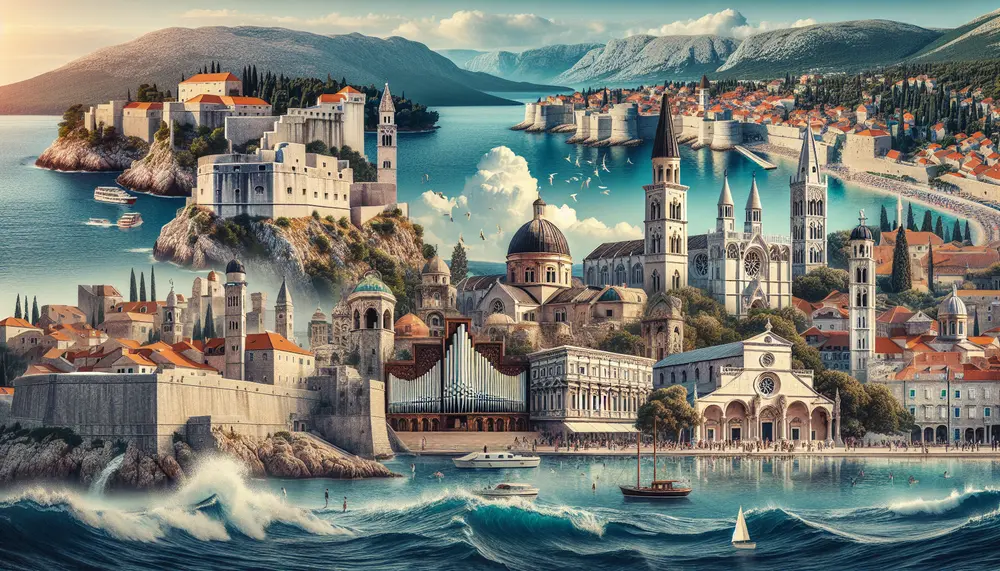
Croatia punches far above its weight when it comes to urban destinations. With nearly 20 million tourists arriving annually and a coastline stretching over 1,800 kilometers, the country offers a remarkable range of city experiences — from UNESCO-listed medieval cores to vibrant mainland capitals. The challenge isn't finding something worth visiting; it's knowing how to prioritize when time and budget are limited.
The Tier System: How Croatian Cities Actually Stack Up
Not all Croatian cities deserve equal attention, and seasoned travelers know this. Dubrovnik, Split, and Zagreb form the undisputed first tier — cities with genuine depth, multiple days' worth of content, and infrastructure to match international expectations. A second tier includes Rovinj, Zadar, and Šibenik, which reward visitors who push beyond the obvious itinerary. These cities often deliver a more authentic experience precisely because they attract fewer cruise-ship crowds.
The ranking logic here isn't purely about beauty or fame. It factors in accessibility, year-round viability, cultural density, and practical traveler experience. Dubrovnik may be Croatia's most photographed city, but its extreme seasonality — with over 10,000 cruise passengers per day in peak summer — means the experience varies dramatically depending on when you go. If you're planning a longer trip, understanding how cities complement each other is essential; a well-structured 10-day itinerary across Croatia typically combines at least one inland city with three or four coastal stops for genuine variety.
Coastal vs. Inland: The Divide Most Tourists Miss
The overwhelming majority of first-time visitors to Croatia stick entirely to the Dalmatian and Istrian coasts, missing Zagreb almost entirely. This is a strategic mistake. Zagreb operates on a completely different rhythm — a Central European capital city with museums, café culture, a thriving food scene, and architecture that owes more to Vienna than Venice. The city's 800,000 residents live largely unbothered by tourist cycles that define coastal Croatia.
Timing matters enormously when ranking which cities to prioritize. The optimal travel window for Croatian cities differs significantly between coast and interior — Split and Dubrovnik peak between June and August, while Zagreb and Varaždin are genuinely pleasant from April through November. The shoulder months of May and October represent the sweet spot for coastal cities: warm enough to swim, thin enough in crowds to actually enjoy a meal without a reservation made three weeks in advance.
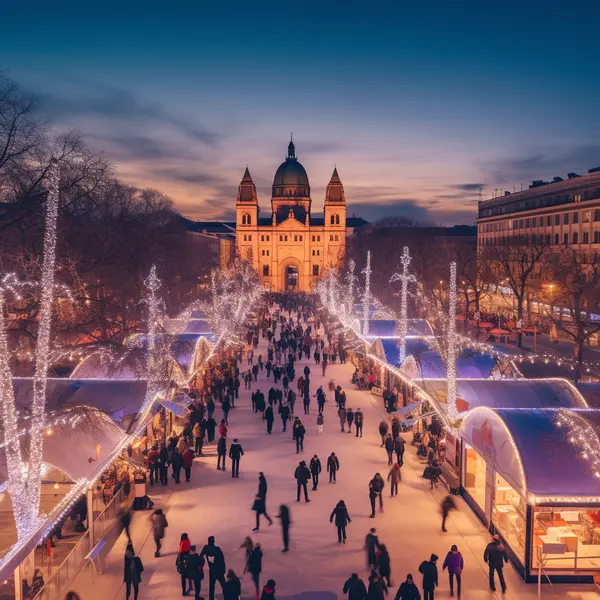
For travelers willing to go against the grain, winter opens up Croatia's cities in unexpected ways. Dubrovnik's Old Town becomes walkable without shoulder-to-shoulder crowds, Split's Diocletian's Palace feels like a living neighborhood rather than a theme park, and Zagreb's Advent market consistently ranks among Europe's best Christmas markets. Anyone curious about the off-season should seriously consider what Croatian cities offer between December and February — the value proposition is exceptional.
- Dubrovnik — UNESCO walled city, best experienced in shoulder season
- Split — Roman heritage meets urban energy, Croatia's most livable coastal city
- Zagreb — The overlooked capital with Central European depth
- Rovinj — Istria's most romantic port town, strong year-round appeal
- Zadar — Underrated Dalmatian city with modern art installations and sea organ
- Šibenik — Two UNESCO fortresses, less traffic than Dubrovnik or Split
The sections that follow break down each of these cities in detail — what to prioritize, what to skip, and how long each destination actually deserves.
Dubrovnik – The Pearl of the Adriatic: What to See, Do, and Expect
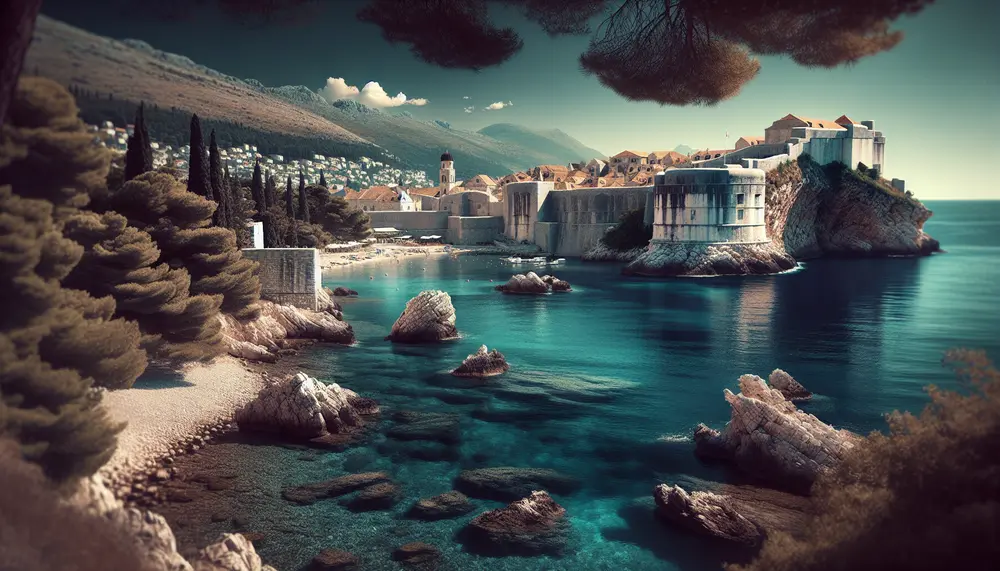
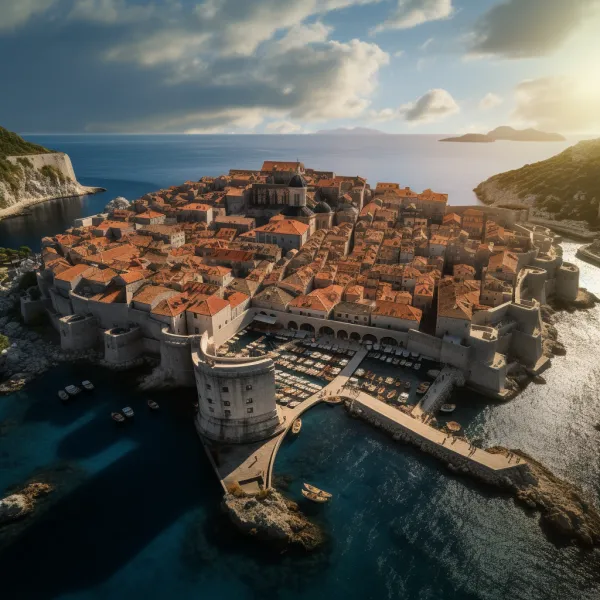
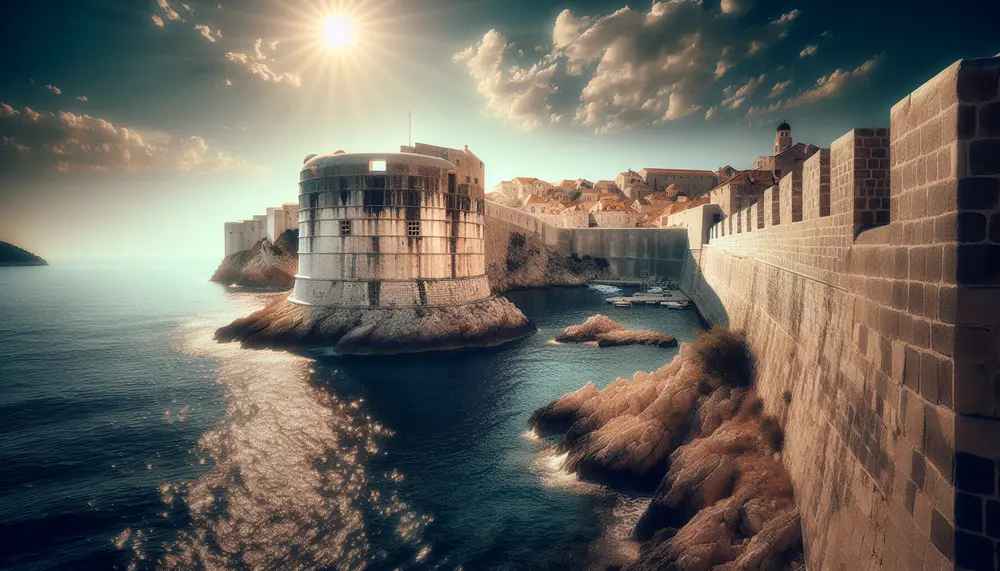
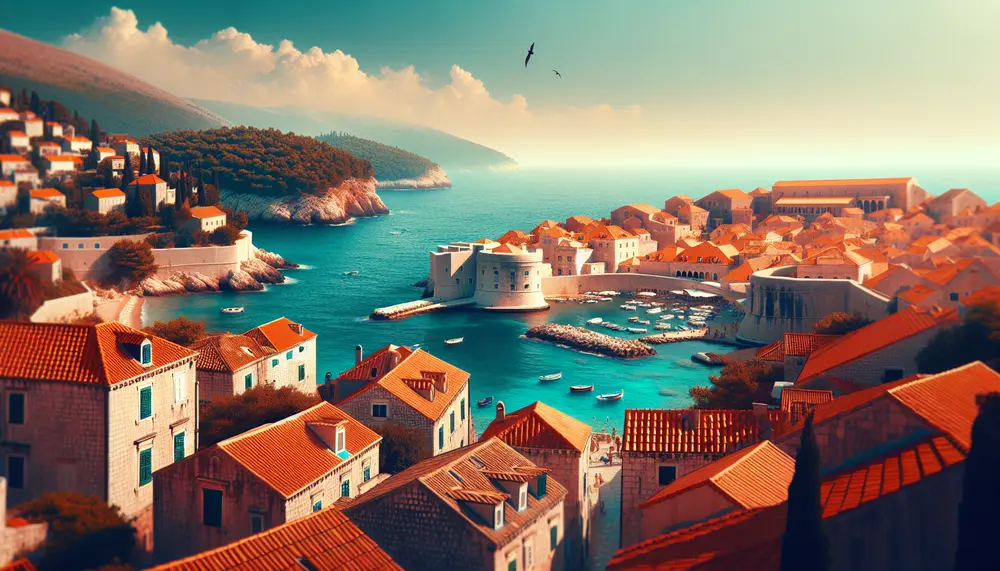
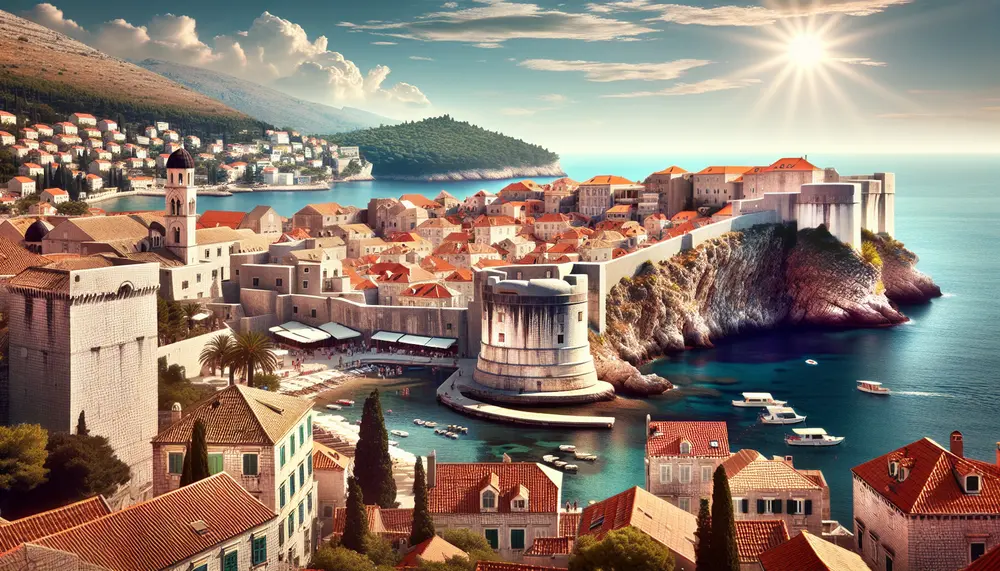
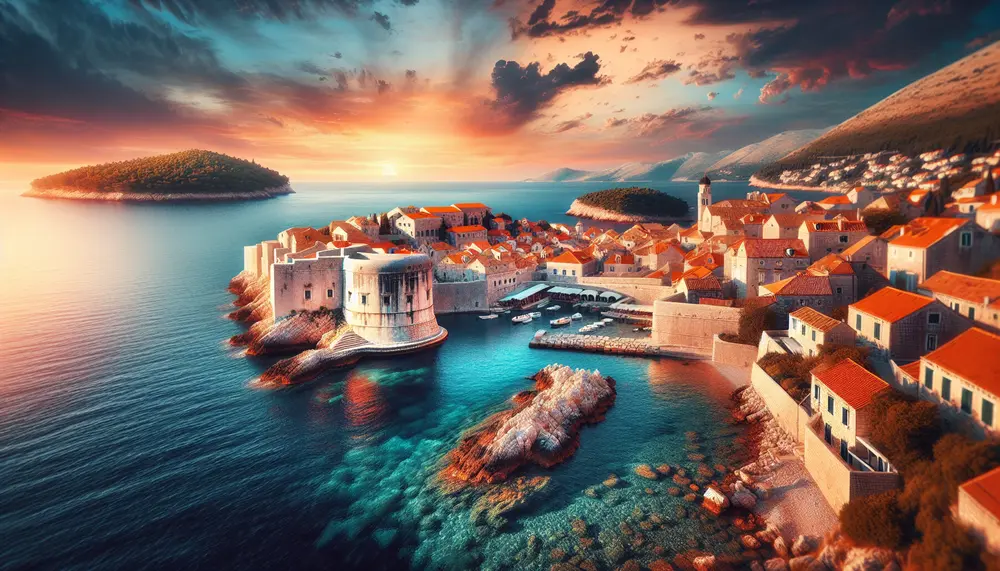
Few cities in Europe deliver the immediate visual impact that Dubrovnik does. The moment you catch your first glimpse of those gleaming limestone streets enclosed by 13th-century walls dropping straight into the Adriatic, you understand why this city draws over 1.5 million visitors annually. But Dubrovnik is also a victim of its own fame — understanding how to navigate it separates a frustrating tourist experience from a genuinely memorable one.
The Old Town: More Than a UNESCO Backdrop
The Stradun, Dubrovnik's main promenade, is 300 meters of polished limestone that has been worn smooth by centuries of foot traffic. Beyond the postcard shots, the real city hides in the side streets — the Gunduličeva Poljana morning market, the 15th-century Sponza Palace, and the Dominican Monastery with its Renaissance cloister are all genuine cultural anchors. For anyone building a detailed route, a solid breakdown of the iconic landmarks and hidden corners worth adding to your schedule will save considerable time on the ground. The City Walls walk (approximately 2 km, around 35 minutes at a relaxed pace) remains one of the single best urban experiences in the Mediterranean — go early morning or late afternoon to avoid both the heat and the crowds.
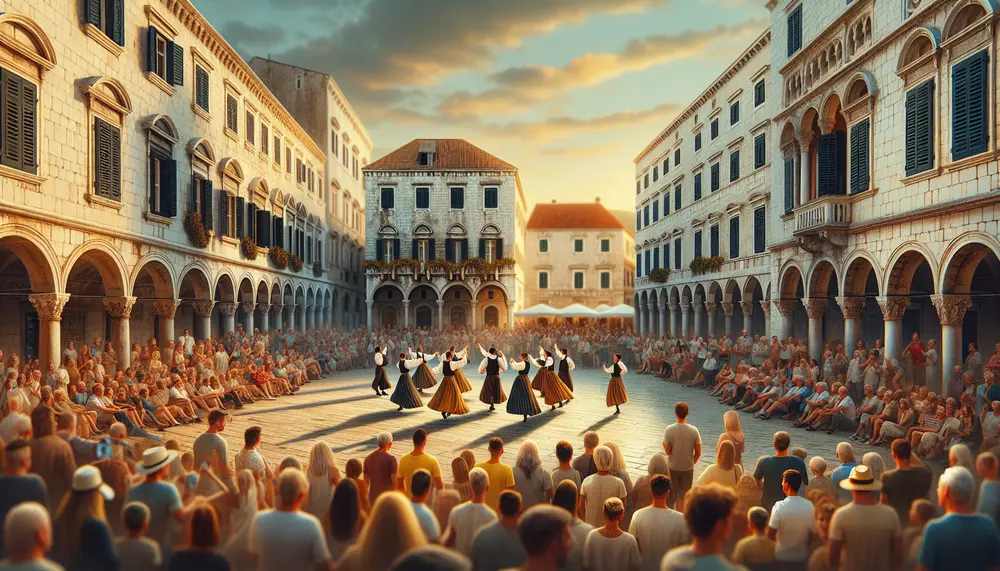
Dubrovnik's cultural depth often gets overlooked in favor of its aesthetics. The city was the Republic of Ragusa for nearly five centuries, a maritime trading power that rivaled Venice in sophistication and diplomatic reach. That history is embedded in every palace facade and church portal. To understand why architecture, food, and local traditions look the way they do here, exploring the layers of Croatian culture that shaped this city adds real context to what you're seeing.
Practical Realities: Crowds, Costs, and Timing
July and August bring cruise ship arrivals that can push the Old Town population to over 8,000 people simultaneously within its 1.3 square kilometers. Prices spike accordingly — a waterfront dinner for two can easily exceed 120 EUR. The calculus shifts dramatically in the shoulder season. Knowing which months offer the best combination of sun, manageable crowds, and fair pricing is arguably the most valuable planning decision you'll make for a Dubrovnik trip. For those with scheduling flexibility, October deserves specific attention. Sea temperatures still hover around 21°C, most restaurants remain open, and the distinct rhythm of an October visit offers a version of Dubrovnik that summer visitors never get to experience.
- Stay outside the walls: Neighborhoods like Lapad or Ploče offer significantly lower accommodation costs and a quieter base
- Cable car to Mount Srđ: The 778-meter panorama over the city and the surrounding islands is worth every minute of the queue
- Day trip to Lokrum Island: A 15-minute ferry ride delivers botanical gardens, a medieval monastery, and reliably less crowded swimming
- Book City Walls tickets in advance: Entry is 35 EUR per adult (2024 pricing) and sells out during peak season
Dubrovnik rewards those who treat it as more than a two-hour stop between cruise ports. Give it at least three full days, stay within walking distance of the Old Town, and resist the urge to spend every waking hour inside the walls — the surrounding coastline and islands are equally compelling and far less congested.
Summary of the Most Notable Cities in Croatia for Travelers
| City | Pros | Cons |
|---|---|---|
| Dubrovnik | Stunning architecture, rich history, UNESCO World Heritage Site. | Overcrowded in peak season, high prices. |
| Split | Vibrant urban life, Roman heritage, excellent transport hub. | Crowded during summer, some tourist traps. |
| Zagreb | Cultural depth, lower costs, lively café scene. | Often overlooked, lacks coastal charm. |
| Rovinj | Charming coastal town, romantic atmosphere, year-round appeal. | Smaller tourist infrastructure compared to bigger cities. |
| Zadar | Beautiful sunsets, accessible beaches, great food culture. | Less famous than Dubrovnik and Split, quieter nightlife. |
| Šibenik | Two UNESCO fortresses, fewer crowds than major cities. | Limited international flight options, smaller size. |
Split: Diocletian's Legacy and a Living City Worth Exploring
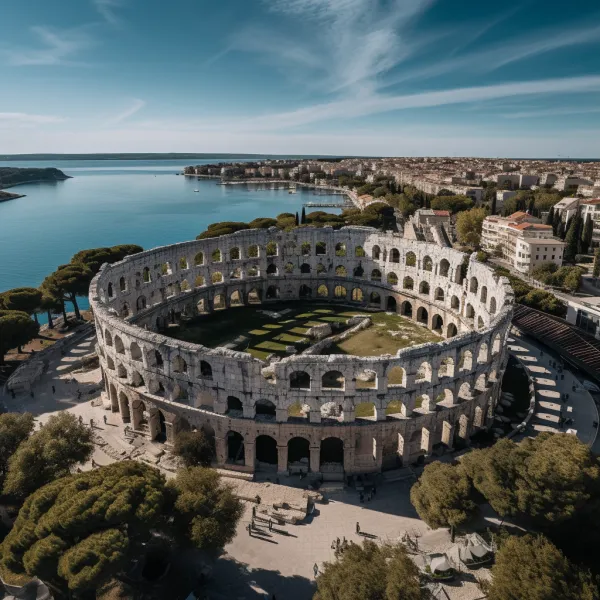
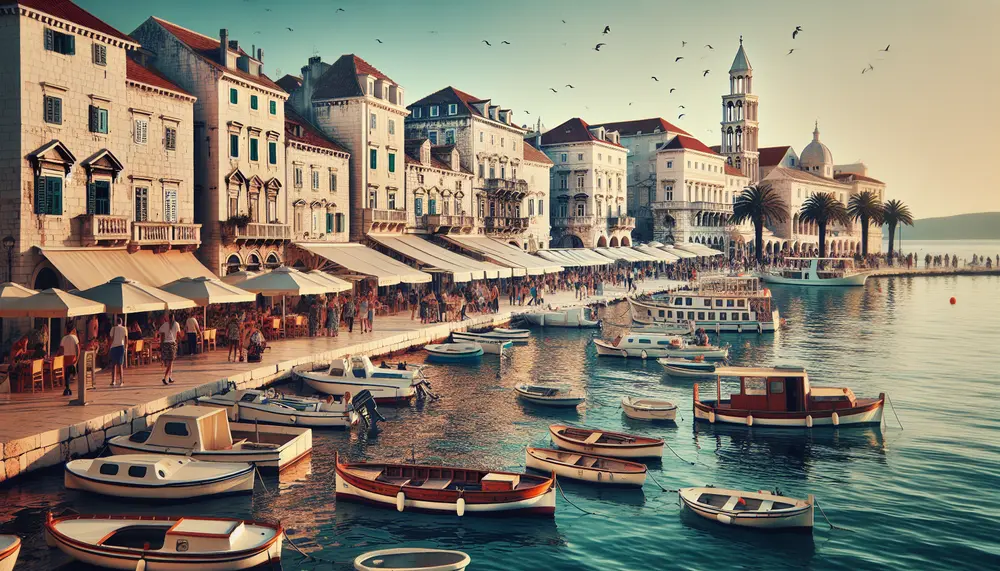
Split is the rare place where a Roman emperor's retirement palace became a living neighborhood. Emperor Diocletian commissioned his massive palace complex around 295 AD, and today roughly 3,000 people still live, work, and run bars within its ancient walls. That density of history layered with everyday Croatian life is what separates Split from every other Adriatic city — it's not a museum you walk through, it's a city you inhabit, even briefly.
Inside the Palace Walls: More Than a UNESCO Checkbox
The Diocletian's Palace complex covers approximately 3 hectares and is classified as a UNESCO World Heritage Site since 1979, but the designation barely captures what you actually experience here. The Peristyle, the central colonnaded square, hosts outdoor concerts, spontaneous coffee drinkers, and the occasional wedding — all within the original Roman ceremonial courtyard. The Cathedral of Saint Domnius, converted from Diocletian's mausoleum in the 7th century, is one of the oldest Catholic cathedrals in the world still in continuous use. Climbing the cathedral bell tower rewards you with a sweeping panorama over terracotta rooftops, the harbor, and on clear days, the islands of Brač and Šolta. For anyone serious about understanding the city's layout and rhythm before arriving, a detailed breakdown of what daily life and neighborhoods in Split actually look like will fundamentally change how you move through the city.
Beyond the palace, Split's Meštrović Gallery — housed in the sculptor Ivan Meštrović's former villa — is one of Croatia's most underrated cultural institutions, with over 190 works in stone, wood, and bronze. The hilltop fortress Klis, just 13 kilometers inland, served as the last Christian stronghold against Ottoman expansion and offers a strategic viewpoint that contextualizes why Split's coastal position mattered strategically for centuries.
Practical Positioning: When and How to Visit
Split functions as Dalmatia's transport hub — ferry connections to Hvar, Brač, Vis, and Korčula all originate from its port, making it an essential base rather than just a stop. Peak summer (July–August) brings upward of 20,000 cruise passengers on busy days, compressing the Old Town into something closer to a theme park than a city. Timing your visit strategically — particularly targeting May, early June, or September — means you experience the Peristyle at golden hour with a fraction of the crowds.
For those approaching Split independently, the city rewards deeper exploration than most visitors allow. Most tourists spend a single afternoon, missing the Marjan Hill forest park, the fish market at Pazar, and the local konoba scene in Veli Varoš neighborhood. A structured day-by-day itinerary helps ensure you balance the historical core with the authentic neighborhood life that makes Split genuinely distinctive. Solo travelers in particular find Split exceptionally navigable and socially welcoming — the Riva promenade culture and the density of authentic wine bars make meeting people straightforward, as solo travelers consistently report about their experience in the city.
- Don't miss: Pazar market (open mornings, directly east of the Golden Gate) for local produce and a completely tourist-free atmosphere
- Avoid: Restaurants on the Riva — quality drops sharply relative to price once you're on the seafront strip
- Budget benchmark: A glass of local Pošip white wine in Veli Varoš runs around 20–30 HRK (€2.60–4), roughly half the Riva price
Zadar's Underrated Appeal: Beaches, Food Culture, and Budget Planning
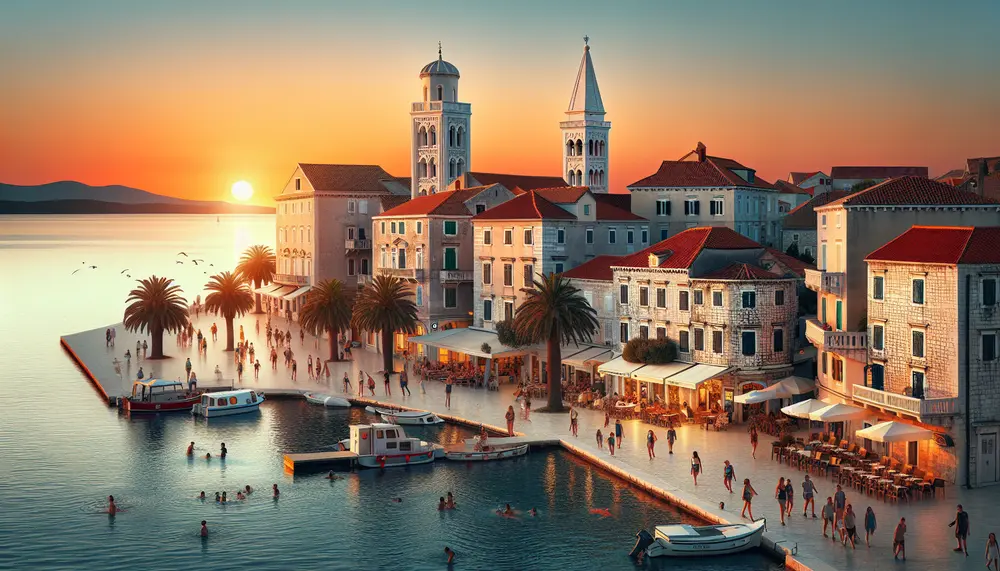
Zadar consistently flies under the radar while Dubrovnik and Split absorb the lion's share of tourist attention — and that's precisely what makes it one of Croatia's most rewarding destinations right now. The city of roughly 75,000 inhabitants sits on a narrow peninsula jutting into the Zadar Channel, combining a UNESCO-adjacent Old Town with some of the most accessible beaches on the Dalmatian coast. Alfred Hitchcock famously called the Zadar sunset the most beautiful in the world, and while that quote gets repeated on every tourist brochure, standing at the Sea Organ at dusk makes it hard to argue with him.
Beaches Beyond the Postcard
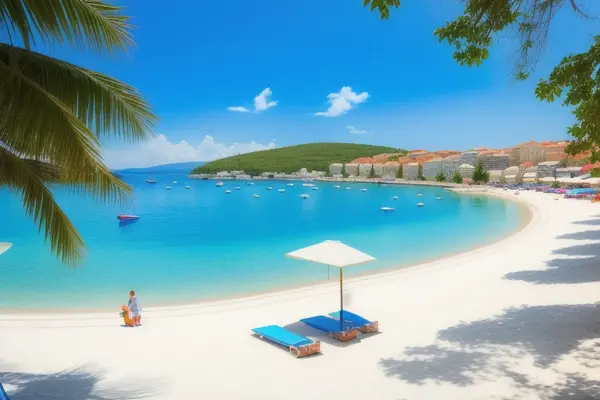
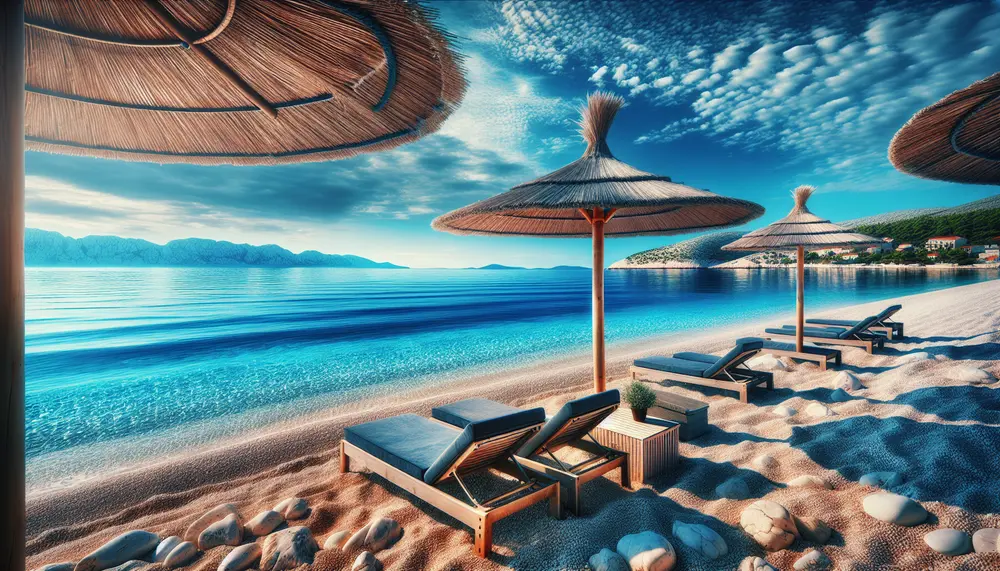
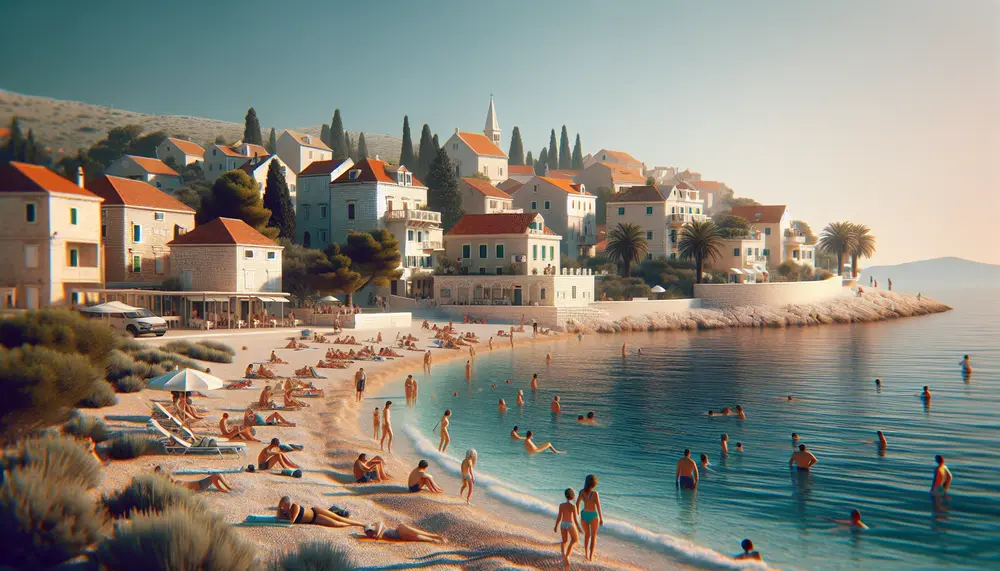
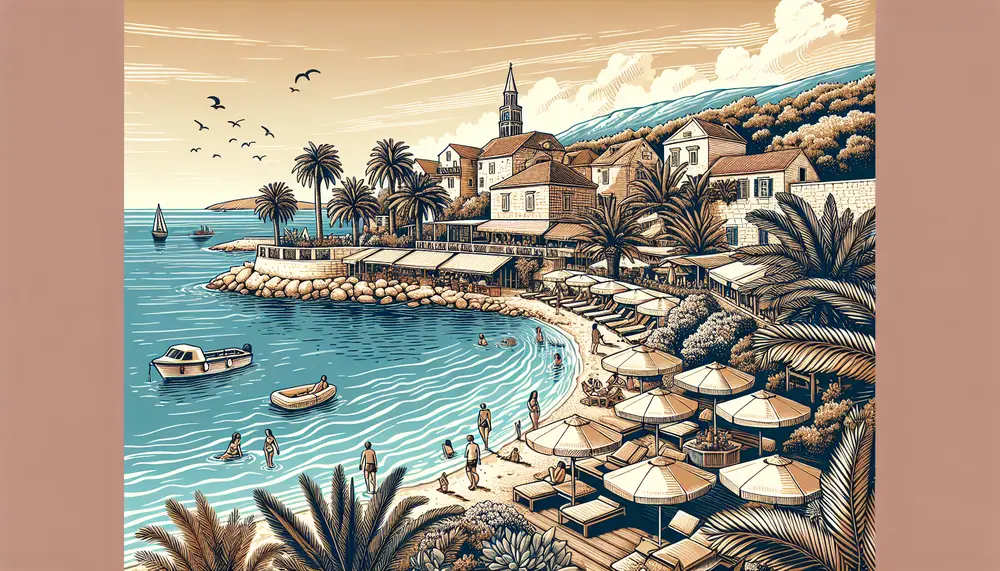
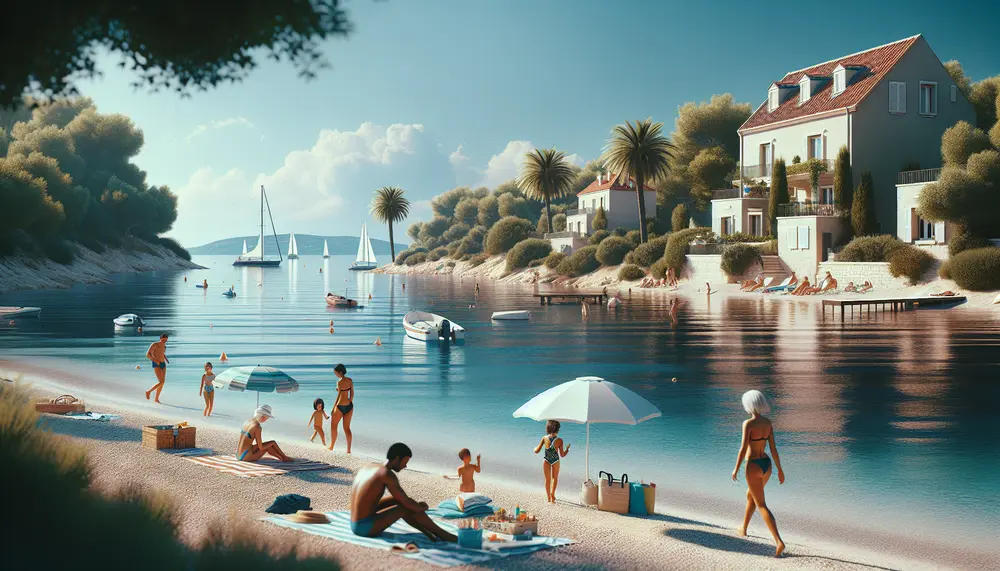
Zadar's beach scene is more varied than most visitors expect. Kolovare Beach, just a 10-minute walk from the Old Town gates, offers a concrete-and-pebble setup that locals have used for generations — no sunbed fees, easy access, and a grounded atmosphere you won't find in more commercialized spots. For those willing to go further, the Puntamika and Borik areas north of the city deliver sandy stretches mixed with pine forest shade, popular with families and genuinely calm even in July. If you want to understand how Zadar's coastline rewards exploration beyond the obvious spots, the full range of options — from hidden coves to organized beach complexes — is best understood through a closer look at what the waterfront actually offers across different neighborhoods. The nearby Ugljan and Pašman islands, reachable by ferry in under 20 minutes, add another layer entirely: quieter pebble bays with water visibility exceeding 10 meters.
Food Culture That Punches Above Its Weight
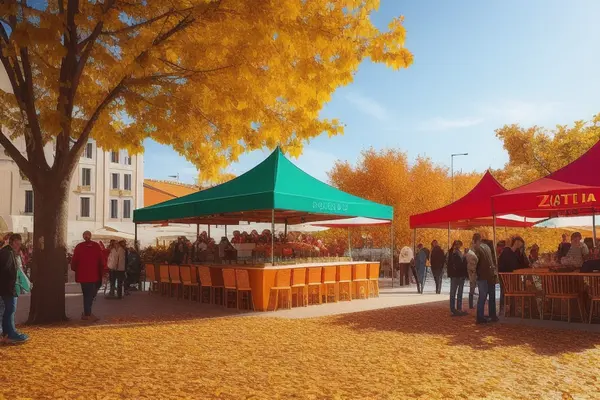
Zadar's culinary identity is anchored in two things: Maraschino liqueur, produced here since the 16th century and still made by the Maraska distillery, and seafood that benefits from the city's direct fishing tradition. The Peškarija (fish market) near the Old Town land gate opens early and closes by noon — arriving after 10am means the best catches are already gone. Local restaurants around Ulica Mihovila Klaića serve grilled škarpina (scorpionfish) and brudet (fish stew) at prices 30-40% lower than comparable Dubrovnik establishments. The city has also developed a strong street food scene that reaches its peak in autumn; the annual street food festival held each fall draws vendors from across Dalmatia and showcases regional specialties that rarely appear on standard restaurant menus.
For a broader picture of what makes Zadar work as a multi-day base combining culture, coast, and cuisine, the city's compact layout is its biggest practical advantage — the Old Town is walkable in under 20 minutes end to end, meaning you lose almost no time to logistics.
Budget Reality in Numbers
Zadar runs noticeably cheaper than Croatia's headline destinations. A realistic daily budget breaks down roughly as follows:
- Accommodation: €50-80 for a solid mid-range apartment in or near the Old Town
- Meals: €25-35 covering a market breakfast, konoba lunch, and sit-down dinner with wine
- Transport and activities: €10-15 including ferry trips and entrance to the Museum of Ancient Glass
That puts a comfortable Zadar day at €85-130 — significantly below Split or Dubrovnik equivalents. For a detailed breakdown of how costs shift depending on travel style and season, planning your daily spend in advance can make the difference between stretching a week comfortably and overspending in the first three days. Shoulder season — late September through October — cuts accommodation rates by up to 40% while keeping weather consistently above 20°C.
Rijeka: Croatia's Industrial Port City with Surprising Cultural Depth
Rijeka consistently gets overlooked by travelers rushing south toward Dubrovnik or Split, and that's precisely what makes it worth your attention. Croatia's third-largest city with roughly 108,000 inhabitants operates as the country's primary commercial port — a function that has shaped its architecture, its population, and its deeply layered identity. Unlike the polished, tourist-optimized towns along the Dalmatian coast, Rijeka offers something rarer: an authentic Central European port city that happens to sit on the Adriatic. If you're questioning whether Rijeka deserves a place on your Croatian itinerary, the honest answer is that it absolutely does, provided you approach it on its own terms.
The city's identity is a product of contested history. Rijeka (known as Fiume in Italian) changed hands between Austria-Hungary, Italy, and Yugoslavia across the 20th century, and every transition left its mark on the built environment. The Korzo — Rijeka's main pedestrian boulevard — is lined with Austro-Hungarian and Italian Fascist-era architecture standing side by side, a collision of empires that you won't find anywhere else in Croatia. The City Tower, originally a medieval gate, has been rebuilt so many times that architectural historians use it as a textbook case of layered restoration.
Culture and Events That Punch Above Their Weight
Rijeka held the title of European Capital of Culture in 2020 — a designation that accelerated significant investment in its cultural infrastructure. The Museum of Modern and Contemporary Art (MMSU) now occupies a purpose-built facility on the waterfront and consistently hosts exhibitions that would be at home in Vienna or Budapest. The Croatian National Theatre Ivan pl. Zajc, dating from 1885, runs a serious program of opera and drama throughout the season. Most impressively, Rijeka's Carnival is the largest in Croatia and among the top five in Europe by participation numbers, drawing over 100,000 visitors annually with its Zvončari bell-ringers — a UNESCO-recognized tradition unique to the Kvarner region.
For serious travelers, a comprehensive practical handbook covering Rijeka's neighborhoods, transport, and logistics will save you considerable planning time. The city is organized into distinct quarters: Trsat on the hill above the city offers the 13th-century Trsat Castle and a functioning Franciscan sanctuary that pilgrims have visited for 700 years. The Delta waterfront area, transformed during the Capital of Culture year, now houses cultural venues, a beach, and the city's best coffee bars.
Beaches and Day Trips From the City
Rijeka itself isn't primarily a beach destination, but the surrounding coastline compensates generously. The Kvarner Gulf's waters are among the cleanest in the Adriatic, and if you want to experience what makes this corner of Croatia genuinely special, you need to venture beyond the city center. Opatija, 15 minutes west by bus, is a Habsburg-era resort town with a 12-kilometer coastal promenade. The islands of Krk, Cres, and Lošinj are all reachable by ferry or bridge from Rijeka.
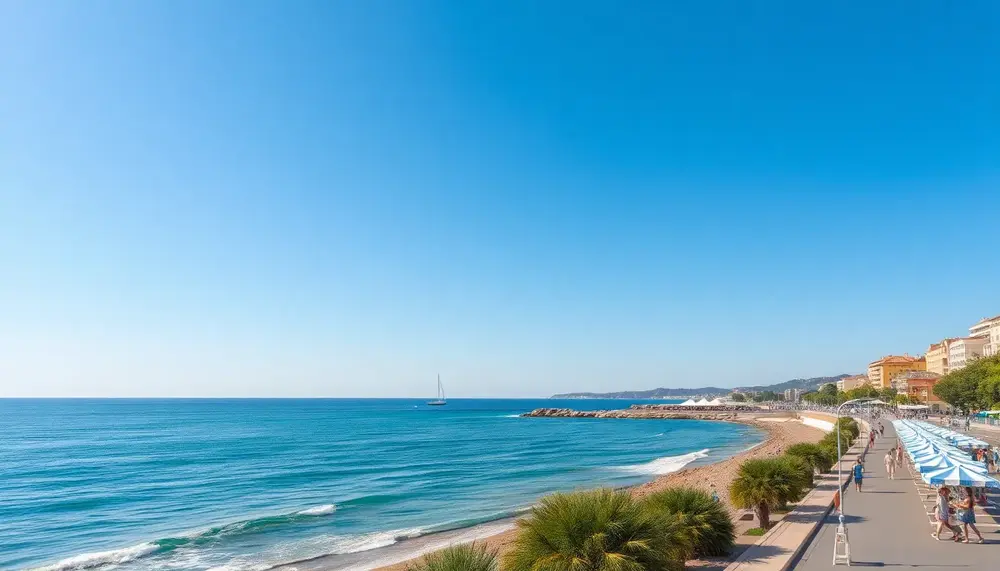
Travelers who want to properly find the best swimming spots in and around the city should know that Ičići, Preluk, and Kostanj are the most popular local beaches — all accessible by public bus from the city center for under 2 EUR. The pebble-and-concrete beaches typical of Kvarner won't satisfy everyone, but the water quality and the relative absence of crowds make them worthwhile for those who prioritize swimming over sunbathing aesthetics.
Zagreb Beyond the Postcard: Urban Life, Markets, and Year-Round Visits
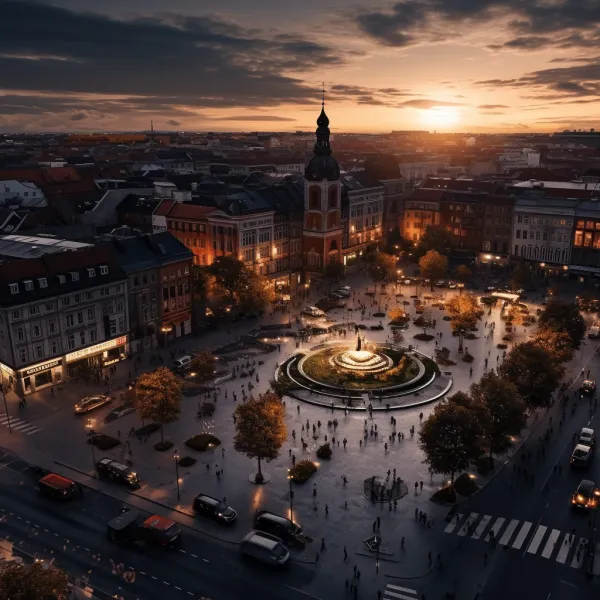
Most travelers treat Zagreb as a transit stop on the way to the Dalmatian coast — a mistake that costs them one of Central Europe's most livable, underrated capitals. With 800,000 residents, a functioning metro culture, and a café scene that rivals Vienna, Zagreb operates on a completely different rhythm than Split or Dubrovnik. It rewards slower visits, repeat trips, and anyone willing to look past the obvious.
The Upper and Lower Towns: Two Cities in One
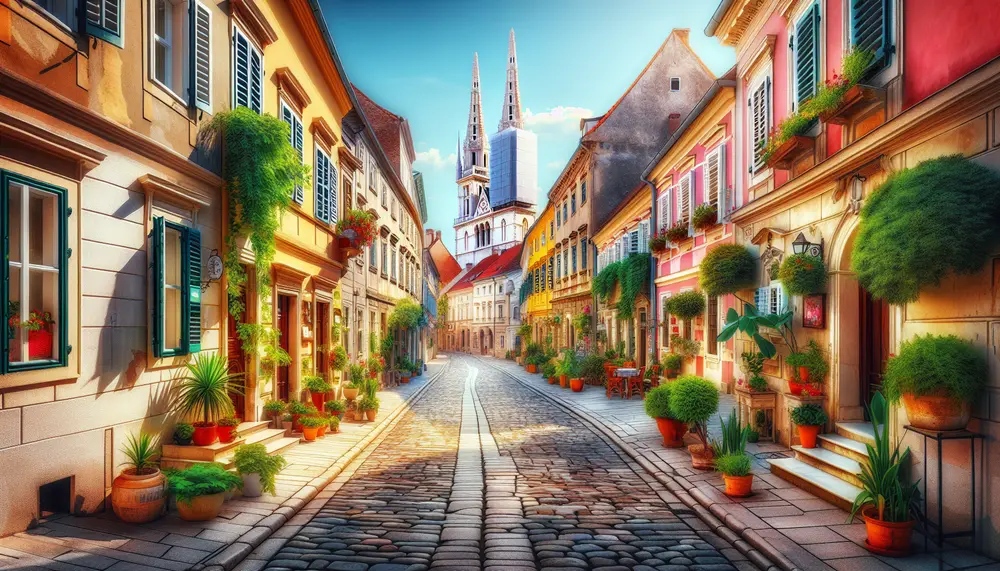
Gornji Grad (Upper Town) is the medieval core — cobblestone streets, St. Mark's Church with its iconic tiled roof, and the Lotrščak Tower where a cannon fires at noon daily, a tradition dating back to 1877. But the real Zagreb pulse runs through Donji Grad (Lower Town), a grid of Austro-Hungarian boulevards built between 1850 and 1914, anchored by Zrinjevac Park and the Lenuzzi Horseshoe — a sequence of 11 connected squares that forms the backbone of Zagreb's urban identity. The Museum of Broken Relationships alone is worth a half-day; it has attracted over 1.2 million visitors since opening in 2010 and has toured 60+ cities worldwide.
The Dolac Market, open since 1930, sits directly above the main square on a raised terrace — a deliberate architectural choice that keeps it visible but separated from street traffic below. Arrive before 8:00 AM on weekdays to see vendors from the Zagorje and Turopolje regions selling seasonal produce, homemade cheeses, and strukli. This isn't a tourist market; local chefs shop here, and prices reflect that.
Winter Is When Zagreb Actually Shines
Summer crowds flock south, which means Zagreb in November through February belongs almost entirely to residents and savvy visitors. The city's café culture intensifies, galleries open new exhibitions, and the streets around Zrinjevac transform into something genuinely special. If you're planning a trip to Croatia during the colder months, Zagreb deserves far more than a single overnight.
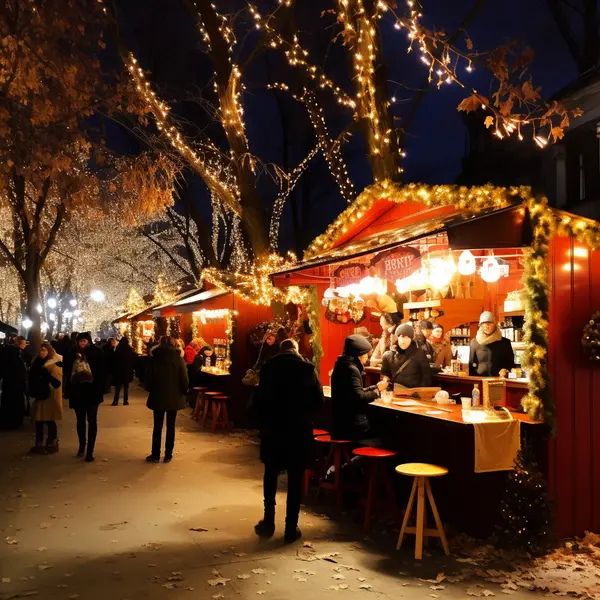
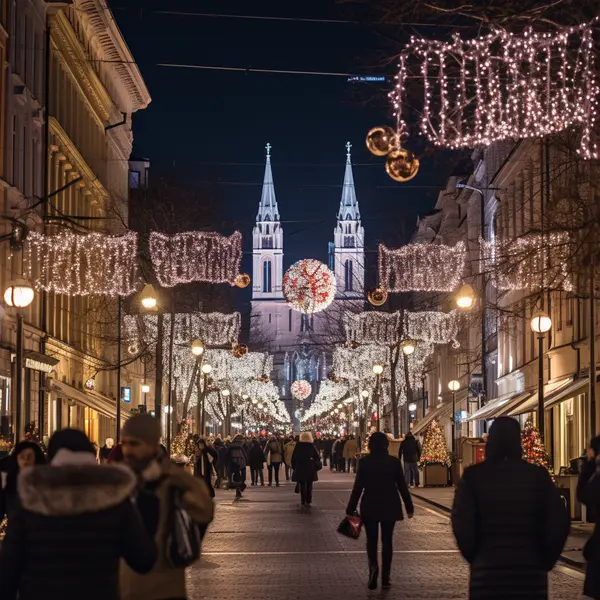
The Christmas market scene here has earned serious international recognition — Advent in Zagreb has won Europe's Best Christmas Market multiple times, including in 2016, 2017, 2018, and again in recent years. The market spans multiple locations across the city rather than concentrating in one square, which prevents the bottleneck effect common in Prague or Nuremberg. For a full breakdown of venues, stalls, and logistics, the official opening dates and locations for Zagreb's Christmas markets are worth reviewing before you book. If you want a deeper practical guide on what to actually do once you arrive, a dedicated resource on experiencing the Zagreb Advent market covers the best entry points and evening timing.
Beyond the markets, consider these year-round advantages:
- No beach crowds — hotels run 30–50% lower rates than coastal cities from October through April
- Craft beer scene — over 20 local breweries operating in the city, with Zmajska and Garden Brewery distributing internationally
- Day trip range — Plitvice Lakes (2 hours), Samobor (30 minutes), and the Zagorje castles all accessible without a car via bus
- Food costs — a full sit-down lunch in a konoba-style restaurant in Gornji Grad averages €10–14 per person, significantly below Western European capital benchmarks
Zagreb is a city that works — efficient trams, walkable neighborhoods, a genuine local population that hasn't been priced out of its own center. For travelers who've exhausted the coastal circuit or simply want something more textured than a beach holiday, it delivers consistently across every season.
FAQ about the Best Cities to Explore in Croatia
What are the must-visit cities in Croatia?
The must-visit cities in Croatia include Dubrovnik, Split, Zagreb, Zadar, and Rovinj, each offering unique cultural experiences and scenic beauty.
When is the best time to visit Croatian cities?
The best time to visit is during the shoulder months of May and October for pleasant weather and fewer crowds, while winter offers a unique charm, especially in cities like Zagreb.
What is unique about Dubrovnik?
Dubrovnik, known as the "Pearl of the Adriatic," features stunning medieval architecture, a UNESCO World Heritage Site designation, and rich history as a former maritime trading power.
How does Split differ from other Croatian cities?
Split is unique for its vibrant life within the ancient walls of Diocletian's Palace, combining Roman heritage with modern urban energy, making it a living city rather than just a historical site.
What can visitors expect in Zagreb?
Zagreb offers a rich cultural scene, notable museums, bustling markets, and a lively café culture, making it a perfect destination for travelers looking for depth beyond the coastline.