
Table of Contents:
Current Weather Conditions in Rijeka
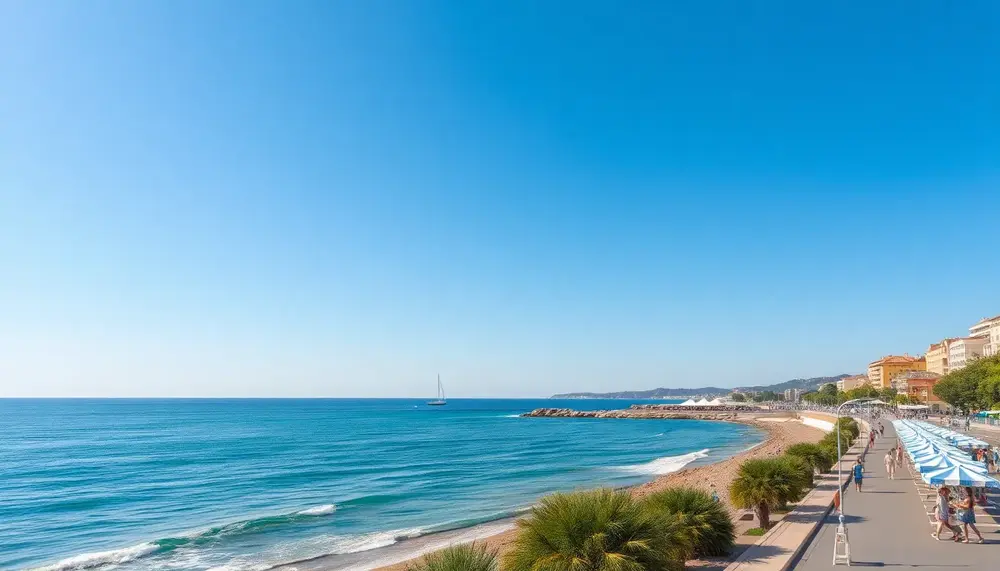
As of now, Rijeka is experiencing mild weather conditions, making it an inviting destination for travelers. The current temperature is a comfortable 14°C, with a perceived temperature of 12°C. This pleasant climate is perfect for exploring the city’s rich history and vibrant culture.
The weather today is clear with no recorded precipitation, allowing for outdoor activities without the worry of rain. The gentle breeze is coming from the northeast at a speed of 5 m/s, adding a refreshing touch to the atmosphere.
Here are some additional current weather details for Rijeka:
- Humidity: Approximately 70%
- Visibility: Clear, with no significant obstructions
- UV Index: 1.0, indicating a low risk of harm from unprotected sun exposure
As you plan your trip, keep in mind that weather conditions can change, so it’s advisable to check for updates regularly. Whether you are strolling along the waterfront or visiting historical sites, the current weather is favorable for a wonderful experience in Rijeka.
Temperature Trends Throughout the Year
The temperature trends in Rijeka vary significantly throughout the year, reflecting its Mediterranean climate. Understanding these trends can help you plan your trip more effectively, ensuring you experience the best of what Rijeka has to offer.
Here’s a breakdown of the average monthly temperatures:
- Winter (December to February): Average temperatures range from 5°C to 10°C. January tends to be the coldest month.
- Spring (March to May): Temperatures gradually increase, with averages between 10°C and 20°C. May often sees highs of around 20°C.
- Summer (June to August): Expect warm to hot temperatures, averaging between 20°C and 30°C. July and August can occasionally reach up to 35°C.
- Autumn (September to November): Temperatures start to cool down, ranging from 15°C to 25°C in September, dropping to around 10°C by November.
Additionally, the temperature variations are influenced by several factors:
- Proximity to the Adriatic Sea: Coastal areas tend to have milder winters and cooler summers compared to inland regions.
- Elevation: Areas at higher elevations can experience cooler temperatures, especially in winter.
- Weather Systems: Mediterranean weather patterns can bring sudden changes, including heatwaves in summer and cold snaps in winter.
By keeping these temperature trends in mind, you can select the ideal time for your visit, ensuring that your experience in Rijeka is as enjoyable as possible.
Key Considerations for Weather When Visiting Rijeka
| Factors | Pros | Cons |
|---|---|---|
| Spring (March to May) | Mild temperatures (10°C to 20°C); blooming landscapes; less crowded | Occasional rain; temperature fluctuations |
| Summer (June to August) | Warm weather (20°C to 30°C); ideal for beach activities | Peak tourist season; potential heatwaves (above 35°C) |
| Autumn (September to November) | Pleasant temperatures (15°C to 25°C); fewer tourists | Increasing rainfall; cooler evenings |
| Winter (December to February) | Quieter atmosphere; local cultural events; milder winter temperatures (5°C to 10°C) | Rainy weather; less outdoor activity options |
Rainfall Patterns and Seasonal Variability
Rijeka experiences a distinct pattern of rainfall throughout the year, which is influenced by its geographical location along the Adriatic Sea. This coastal city has a Mediterranean climate characterized by wet winters and dry summers. Understanding the rainfall patterns can be crucial for planning outdoor activities and excursions.
Here’s an overview of the seasonal variability in rainfall:
- Winter (December to February): This season typically sees the highest precipitation levels, with average monthly rainfall ranging from 80 mm to 120 mm. January is usually the wettest month, often bringing heavy showers and occasional storms.
- Spring (March to May): Rainfall begins to decrease, with averages around 60 mm to 80 mm per month. March can still be relatively wet, while May tends to be much drier, paving the way for summer.
- Summer (June to August): The summer months are characterized by minimal rainfall, averaging between 20 mm and 40 mm. July is particularly dry, making it an ideal time for beachgoers and outdoor enthusiasts.
- Autumn (September to November): Rainfall begins to increase again, with averages from 60 mm to 100 mm per month. October often experiences significant rain, while November marks the transition back to the wetter winter season.
Overall, the variability in rainfall patterns throughout the seasons can affect various aspects of life in Rijeka, including:
- Agricultural Practices: Farmers rely on seasonal rainfall for irrigation and crop growth, making weather forecasts essential for planning planting and harvesting.
- Tourism: Visitors are encouraged to plan their trips around the drier months to enjoy outdoor activities, festivals, and the beautiful coastal scenery.
- Local Events: Many cultural and sporting events take place during the summer months when rainfall is less likely, enhancing the overall experience for attendees.
In summary, being aware of Rijeka’s rainfall patterns and seasonal variability will help you make informed decisions for your travel itinerary, ensuring you maximize your enjoyment of this vibrant coastal city.
Best Time to Visit Rijeka Based on Weather
Choosing the best time to visit Rijeka largely depends on your weather preferences and the type of activities you plan to enjoy. The city offers a variety of experiences throughout the year, each influenced by its climate.
Spring (March to May) is an ideal time for travelers who enjoy mild weather and blooming landscapes. Average temperatures range from 10°C to 20°C, making it perfect for outdoor exploration. The rainfall is moderate, allowing for plenty of sunny days to enjoy the city's parks and waterfront.
Summer (June to August) attracts many tourists, thanks to warm temperatures averaging between 20°C and 30°C. This is the peak season for beachgoers and water sports enthusiasts, as the Adriatic Sea warms up nicely. However, be prepared for occasional heatwaves where temperatures can soar above 35°C.
Autumn (September to November) offers a lovely mix of warm days and cooler evenings. Early autumn is particularly pleasant, with temperatures around 15°C to 25°C. This season sees a decrease in tourist crowds, allowing for a more relaxed experience while exploring the city's attractions. Rainfall starts to increase again in October, but it's still manageable.
Winter (December to February) is a quieter time in Rijeka, with temperatures dropping to around 5°C to 10°C. While winter can be rainy, it is also a great time to experience local culture and festive events, especially during the holiday season. If you enjoy fewer crowds and a more authentic experience, winter might be the right choice for you.
When planning your visit, consider these seasonal highlights:
- Spring: Ideal for outdoor activities and nature enthusiasts.
- Summer: Best for beach lovers and water sports.
- Autumn: Great for cultural experiences and fewer tourists.
- Winter: Perfect for enjoying local traditions and a quieter atmosphere.
Ultimately, the best time to visit Rijeka will depend on your personal preferences for weather and activities. No matter when you choose to go, the city has something unique to offer all year round.
What to Pack for Different Weather Conditions
Packing for your trip to Rijeka requires careful consideration of the weather conditions throughout the year. Here’s a guide on what to bring based on seasonal variations and potential weather scenarios.
- Spring (March to May):
- Light jackets or sweaters for cooler mornings and evenings.
- Layered clothing, as temperatures can fluctuate during the day.
- Comfortable shoes for walking and exploring the city.
- An umbrella or a light raincoat, especially in March, when rainfall is more common.
- Summer (June to August):
- Lightweight and breathable clothing to stay cool in high temperatures.
- Swimwear for beach visits and water activities.
- Sun protection essentials like sunscreen, sunglasses, and a hat.
- Comfortable sandals or flip-flops for the beach and casual outings.
- Autumn (September to November):
- Light jackets or cardigans for cooler evenings.
- Long-sleeve shirts and pants as temperatures begin to drop.
- An umbrella or waterproof jacket, particularly in October, when rain increases.
- Sturdy shoes for exploring the city and nearby nature trails.
- Winter (December to February):
- Warm layers, including thermal tops and bottoms, to combat the chill.
- A heavy coat to protect against cold and potentially rainy weather.
- Waterproof boots to handle wet conditions and snow if applicable.
- Accessories like gloves, scarves, and hats to keep warm.
By packing according to these guidelines, you can ensure that you are well-prepared for the diverse weather conditions in Rijeka, allowing you to fully enjoy your trip.
Weather Alerts and Safety Tips
When visiting Rijeka, it’s important to stay informed about weather alerts and safety tips to ensure a safe and enjoyable experience. The region can experience various weather phenomena, and being prepared can make all the difference.
Weather Alerts: The Državni hidrometeorološki zavod (DHMZ) provides timely weather alerts that are crucial for travelers. Here’s how to stay updated:
- Regularly check the DHMZ website for the latest weather updates and alerts.
- Sign up for local weather notifications through mobile apps or text alerts to receive real-time information.
- Pay attention to warnings regarding severe weather conditions such as heavy rain, storms, or extreme heat.
Safety Tips: Here are some essential safety tips to consider during your visit:
- Stay Hydrated: During the warmer months, especially in summer, make sure to drink plenty of water to prevent dehydration.
- Dress Appropriately: Always wear suitable clothing for the weather conditions. Layering is key in transitional seasons like spring and autumn.
- Plan Outdoor Activities Wisely: Schedule outdoor excursions during cooler parts of the day, such as early morning or late afternoon, to avoid the heat.
- Be Cautious During Rain: If rain is forecasted, be mindful of slippery surfaces and avoid hiking or exploring in heavy downpours.
- Follow Local Guidelines: Always adhere to local advisories, especially if visiting natural parks or coastal areas during inclement weather.
By staying informed and taking the necessary precautions, you can enjoy all that Rijeka has to offer while ensuring your safety and well-being during your trip.
Understanding the UV Index in Rijeka
The UV Index is a critical measure for understanding the intensity of ultraviolet radiation from the sun, which can vary significantly based on the time of year, time of day, and weather conditions. In Rijeka, monitoring the UV Index is essential for ensuring sun safety while enjoying outdoor activities.
Understanding the UV Index Levels: The UV Index is categorized into different levels, each indicating the potential risk of harm from unprotected sun exposure:
- Low (0-2): Minimal risk of harm to the general population. Sun protection is not required.
- Moderate (3-5): Moderate risk of harm. It’s advisable to seek shade during midday hours, wear protective clothing, and apply sunscreen.
- High (6-7): High risk of harm. Precautions should be taken, such as avoiding sun exposure between 10 a.m. and 4 p.m., wearing a wide-brimmed hat, and using sunscreen with a high SPF.
- Very High (8-10): Very high risk of harm. Extra precautions are necessary, including staying indoors during peak sun hours and wearing UV-blocking sunglasses.
- Extreme (11+): Extreme risk of harm. Avoid outdoor activities whenever possible and take all protective measures.
Seasonal Variability: The UV Index in Rijeka typically peaks during the summer months, particularly in July and August, when the sun is most intense. Even in spring and autumn, UV levels can be significant, especially on clear days. It's crucial to be aware of the UV Index during your visit, as it can change daily based on weather conditions and atmospheric factors.
Protective Measures: To reduce the risk of UV exposure, consider the following tips:
- Apply broad-spectrum sunscreen with an SPF of at least 30, even on cloudy days.
- Reapply sunscreen every two hours, or more frequently if swimming or sweating.
- Wear protective clothing, including long sleeves and a wide-brimmed hat.
- Seek shade whenever possible, particularly during peak sunlight hours.
- Use UV-blocking sunglasses to protect your eyes from harmful rays.
By understanding the UV Index and taking necessary precautions, you can enjoy your time in Rijeka while minimizing the risk of sun-related health issues.
Wind Patterns and Their Impact on Activities
Wind patterns in Rijeka significantly influence various outdoor activities, from sailing to hiking and even urban exploration. Understanding these patterns can help visitors maximize their enjoyment and safety during their stay.
Prevailing Winds: The most common winds in Rijeka are the Bura and the Jugo.
- Bura: A cold, dry wind that blows from the northeast, often bringing clear skies and cooler temperatures. It can be quite strong, especially in winter and early spring, making it ideal for outdoor activities but potentially challenging for sailing due to gusty conditions.
- Jugo: A warm, humid wind from the southeast that can bring rain and higher humidity levels. While it may make the weather feel warmer, it can also lead to less favorable conditions for outdoor excursions, particularly water sports.
Impact on Activities: Here’s how wind patterns can affect various activities in Rijeka:
- Sailing and Watersports: The Bura is favored by sailors, as it provides strong winds for competitive sailing. In contrast, the Jugo can create rough sea conditions, making it less suitable for sailing but still enjoyable for windsurfing enthusiasts who thrive on stronger winds.
- Hiking and Outdoor Exploration: Windy conditions can enhance the hiking experience by providing a refreshing breeze, particularly in the warmer months. However, during strong Bura days, hikers should exercise caution on exposed trails.
- Urban Activities: Wind patterns also influence the comfort level of walking tours and outdoor dining. Breezy days can be pleasant, but strong winds may necessitate finding sheltered areas.
Safety Considerations: Visitors should stay informed about wind conditions, especially if planning activities that are sensitive to weather changes. Checking local forecasts from the DHMZ before heading out can provide valuable insights into expected wind patterns.
By understanding the wind dynamics in Rijeka, you can better plan your activities, ensuring an enjoyable and safe experience while exploring this beautiful coastal city.
Local Climate Influences on Weather
The local climate in Rijeka is shaped by various geographical and meteorological factors that influence weather patterns throughout the year. Understanding these influences can enhance your experience and preparedness while visiting the city.
Geographical Features: Rijeka's unique location along the Adriatic coast plays a significant role in its climate. The surrounding mountains provide a natural barrier, affecting wind patterns and precipitation levels. This geographical setup leads to:
- Moderate Temperatures: The coastal position keeps temperatures milder compared to inland areas, reducing extremes in both winter and summer.
- Increased Humidity: Proximity to the sea contributes to higher humidity levels, particularly in summer, which can make hot days feel warmer.
Seasonal Influences: The transition between seasons in Rijeka is marked by specific climatic shifts:
- Spring: As winter fades, warmer temperatures begin to emerge, leading to a rise in rainfall. This period is vital for local agriculture as it replenishes water supplies.
- Summer: The combination of warm temperatures and sea breezes creates a pleasant environment for beachgoers. However, occasional heatwaves can occur, necessitating caution against UV exposure.
- Autumn: This season often brings increased rainfall, particularly in October, which is essential for maintaining local water resources before winter.
- Winter: Although temperatures can drop, the coastal climate typically prevents extreme cold, allowing for milder winter conditions compared to more inland areas.
Microclimates: Within Rijeka, microclimates can develop due to varying elevations and urban structures, leading to localized weather variations. For instance:
- Areas closer to the sea may experience more stable and warmer conditions, while elevated regions can be cooler and more prone to mist.
- Urban heat effects can cause city areas to retain heat, particularly during summer nights, impacting evening temperatures.
By being aware of these local climate influences, visitors can better anticipate weather conditions, plan their activities accordingly, and fully enjoy the diverse experiences Rijeka has to offer.
Resources for Up-to-Date Weather Information
Staying informed about the weather is crucial for planning your activities in Rijeka. Fortunately, there are several reliable resources available for up-to-date weather information.
1. Državni hidrometeorološki zavod (DHMZ): The official Croatian Meteorological and Hydrological Service provides comprehensive weather forecasts, real-time data, and alerts. You can access their website at DHMZ for:
- Current weather conditions
- Daily and weekly forecasts
- Specialized reports for maritime activities
2. Mobile Apps: There are several mobile applications that offer real-time weather updates and notifications, such as:
- MeteoHR: An app specifically designed for Croatian weather, providing localized forecasts and alerts.
- Weather Underground: Offers hyper-local weather data, including radar imagery and community reports.
3. Local News Outlets: Regional news websites and television stations often provide weather segments, especially during extreme weather events. Following local news can keep you informed about any sudden weather changes that might affect your plans.
4. Social Media: Follow weather-related social media accounts or hashtags for real-time updates and community discussions. Many meteorologists and weather enthusiasts share valuable insights and forecasts on platforms like Twitter and Facebook.
5. Weather Radio: For those who prefer traditional methods, a weather radio can be a reliable source for continuous weather updates and emergency alerts, particularly during severe weather conditions.
By utilizing these resources, you can stay informed about the latest weather developments in Rijeka, ensuring a safe and enjoyable visit.
Essential Weather FAQs for Your Rijeka Trip
What is the best time to visit Rijeka for pleasant weather?
The best time to visit Rijeka for pleasant weather is during the spring (March to May) and early autumn (September to October) when temperatures are mild and rainfall is moderate.
How does the UV Index vary throughout the year in Rijeka?
The UV Index in Rijeka typically peaks during the summer months, especially in July and August. It's important to monitor it as UV levels can be significant even in spring and autumn on clear days.
What weather conditions can I expect in winter?
In winter (December to February), Rijeka experiences mild temperatures averaging between 5°C and 10°C. While it can be rainy, the coastal climate usually prevents extreme cold.
How should I prepare for rain in Rijeka?
It's advisable to pack a waterproof jacket or an umbrella, especially in the winter and autumn months when rainfall is more frequent. Checking the weather forecast regularly can help you prepare better.
What should I pack for a trip to Rijeka?
Packing should depend on the season: lightweight clothing for summer, layered outfits for spring and autumn, and warm layers for winter. Also, include sunscreen and comfortable walking shoes for exploring the city.