
Table of Contents:
Croatia Unveiled: Must-Watch Travel Show Overview
The travel show "Croatia Unveiled" offers viewers a captivating look into the diverse beauty and rich culture of Croatia. Designed for those eager to explore this stunning Mediterranean destination, the show highlights key locations, activities, and experiences that make Croatia a must-visit. From the ancient walls of Dubrovnik to the lush landscapes of Plitvice Lakes National Park, the series promises to unveil the hidden treasures of this emerging travel hotspot.
Each episode serves as a guide, showcasing not only popular tourist spots but also lesser-known gems that embody the spirit of Croatian life. The show emphasizes the importance of understanding local customs, tasting traditional cuisine, and engaging with the warm-hearted locals who contribute to the country's unique charm. This immersive experience not only enhances travel planning but also fosters a deeper appreciation for Croatia's heritage and natural beauty.
Additionally, "Croatia Unveiled" touches on practical travel tips, making it easier for viewers to navigate their journey. Whether it's discovering the best times to visit, learning about transportation options, or finding affordable accommodations, the show equips potential travelers with essential information to enhance their experience.
In summary, "Croatia Unveiled" is more than just a travel show; it's an invitation to explore a country rich in history, culture, and breathtaking landscapes. For anyone considering Croatia as their next travel destination, this show is a valuable resource that brings the country's beauty and vibrancy to life.
Exploring the Dalmatian Coast
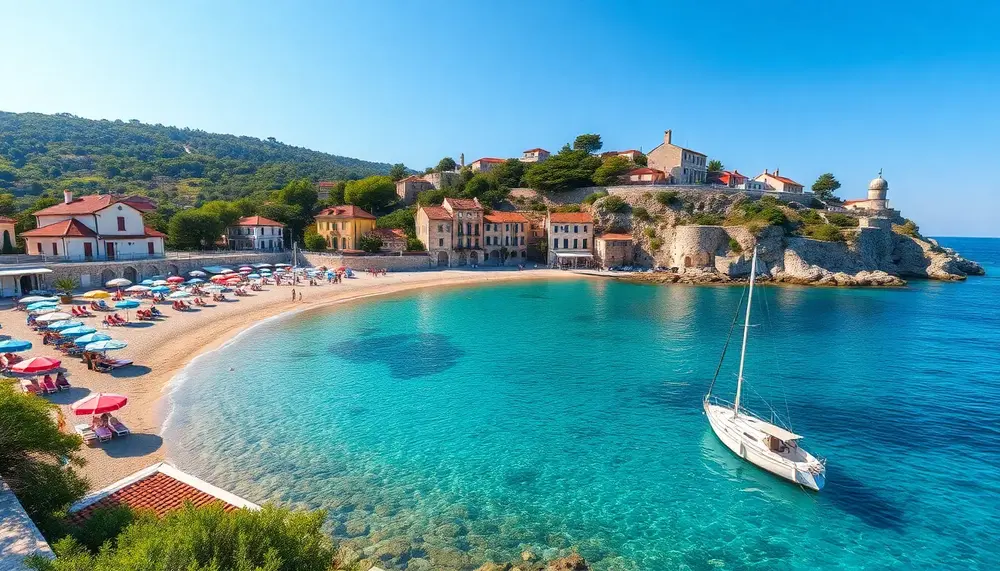
The Dalmatian Coast is one of Croatia's most stunning regions, renowned for its breathtaking landscapes, charming towns, and crystal-clear waters. Stretching along the Adriatic Sea, this coastline is dotted with picturesque islands, each offering its unique allure and experiences.
Travelers can embark on a variety of adventures while exploring the Dalmatian Coast. Here are some highlights:
- Island Hopping: The area is home to numerous islands, such as Hvar, Brač, and Korčula. Each island boasts beautiful beaches, vibrant nightlife, and rich history, making them perfect for day trips or longer stays.
- Historical Towns: Towns like Split and Šibenik are steeped in history. Visitors can stroll through ancient streets, visit historic sites like the Cathedral of St. James in Šibenik, and enjoy local cuisine at waterfront restaurants.
- Outdoor Activities: The region is ideal for outdoor enthusiasts. Hiking, biking, and kayaking are popular activities, especially in the stunning natural parks like Krka and Paklenica.
- Cultural Experiences: The Dalmatian Coast is rich in culture. Engage with local traditions by participating in festivals or visiting local markets to sample fresh produce and regional delicacies.
In addition to these activities, the Dalmatian Coast is known for its culinary delights. Seafood is a staple, with fresh catches often served in traditional dishes. Don't miss trying local specialties such as pašticada (a slow-cooked beef dish) or fritule (sweet doughnuts), perfect for dessert.
As you explore this magnificent coastline, you’ll find that each stop offers something unique, creating an unforgettable experience that showcases the beauty and diversity of Croatia.
Pros and Cons of Watching 'Croatia Unveiled'
| Pros | Cons |
|---|---|
| Highlights diverse beauty and culture of Croatia. | Focuses mainly on popular tourist spots, may miss hidden gems. |
| Provides practical travel tips for better planning. | Limited episodes may not cover all areas of interest. |
| Engages with local customs and cuisine, enhancing cultural appreciation. | May lead to tourist crowds in highlighted locations. |
| Visually appealing cinematography showcasing landscapes. | Possible bias towards well-known attractions, less on less visited areas. |
| Encourages exploration of an emerging travel destination. | May not satisfy those looking for deep historical insights. |
Hidden Gems of Plitvice Lakes National Park
Plitvice Lakes National Park is a treasure trove of natural wonders, often hailed as one of Croatia's most breathtaking locations. While the park is famous for its stunning lakes and waterfalls, it also harbors hidden gems that offer a more intimate experience with nature.
One of the lesser-known aspects of Plitvice Lakes is its diverse flora and fauna. The park is home to over 1,500 plant species and numerous animal species, including bears, wolves, and various bird species. Exploring the less traveled paths can provide opportunities to spot these animals in their natural habitat.
For those seeking a more peaceful visit, consider venturing to the park during the early morning or late afternoon. These times not only offer fewer crowds but also the chance to witness the park bathed in stunning golden light, perfect for photography enthusiasts.
- Hidden Waterfalls: Beyond the main cascades, several smaller waterfalls are tucked away in the park's trails, often overlooked by visitors. These spots provide serene settings ideal for reflection or a quiet picnic.
- Secret Viewing Points: Some trails lead to elevated viewpoints that offer panoramic vistas of the lakes and surrounding forests, providing a unique perspective that many miss while sticking to the main paths.
- Unique Ecosystems: The park's diverse landscapes include marshes, limestone formations, and dense forests. Each ecosystem supports a variety of life and can be explored through the park's winding trails.
Additionally, consider engaging with the park's educational programs. These programs often highlight the park's conservation efforts and the importance of preserving its delicate ecosystems. Learning about the natural history and ongoing preservation efforts can enhance your appreciation of this UNESCO World Heritage site.
In summary, while the main attractions of Plitvice Lakes National Park are undeniably stunning, the hidden gems found within its borders offer a deeper connection to Croatia's natural beauty. Exploring these lesser-known aspects can transform your visit into a truly unforgettable experience.
Cultural Highlights in Zagreb
Zagreb, the vibrant capital of Croatia, is a city that beautifully blends history with modernity, offering a rich cultural experience for visitors. Among its many attractions, several highlights stand out, showcasing the city's artistic and historical significance.
One of the most notable sites is the Museum of Broken Relationships, which offers a unique and poignant exploration of love and loss through personal stories and artifacts. Each exhibit tells a story, making it a must-visit for those interested in human emotions and experiences.
The Upper Town (Gornji Grad) is another cultural highlight, where visitors can wander through cobbled streets lined with historical buildings. Key landmarks include:
- St. Mark's Church: Famous for its colorful tiled roof, this church is a symbol of Zagreb and a fantastic spot for photographs.
- Lotrščak Tower: Climbing this tower rewards visitors with stunning views of the city and a glimpse into its history, including the cannon that fires every day at noon.
- Ban Jelačić Square: The main square serves as a bustling hub for locals and tourists alike, surrounded by shops, cafes, and important government buildings.
For art enthusiasts, the Art Pavilion and the Museum of Contemporary Art offer impressive collections of both Croatian and international art. The contemporary museum is particularly noteworthy for its striking architecture and innovative exhibitions.
Don't miss the chance to experience Zagreb's vibrant street life, especially during cultural events such as Advent in Zagreb, where the city comes alive with festive decorations, markets, and performances. These events highlight the local culture and community spirit, making a visit to Zagreb even more special.
Overall, Zagreb is a city that invites exploration, offering a rich tapestry of cultural experiences that reflect both its historical roots and contemporary vibrancy. From museums to picturesque streets, the cultural highlights of Zagreb are sure to leave a lasting impression on every visitor.
Discovering the Istrian Peninsula
The Istrian Peninsula, known for its stunning landscapes and rich cultural heritage, is a captivating destination that offers a delightful mix of experiences for travelers. This region, located in the northwest of Croatia, is famous for its charming coastal towns, rolling hills, and vineyards that produce some of the finest wines in the country.
One of the highlights of Istria is its picturesque towns, each with its unique character:
- Rovinj: This vibrant coastal town is often considered one of the most beautiful in Croatia. The old town, with its narrow cobblestone streets and colorful buildings, leads up to the iconic Church of St. Euphemia, which offers breathtaking views of the Adriatic Sea.
- Pula: Known for its well-preserved Roman amphitheater, Pula is a testament to the region's historical significance. The arena, which hosts concerts and events, provides insight into the city's ancient past.
- Motovun: Perched atop a hill, this medieval town is famous for its truffles and stunning views of the surrounding countryside. Visitors can explore its ancient walls and enjoy local delicacies in quaint restaurants.
Istria is also renowned for its culinary scene. The region's cuisine is a delightful fusion of Mediterranean and Central European influences, featuring fresh seafood, homemade pasta, and local truffles. Don't miss the opportunity to sample:
- Truffle dishes: Istria is famous for its black and white truffles, which are often incorporated into pasta or served with eggs.
- Local wines: The region is home to several wine routes, where visitors can taste the renowned Malvasia and Teran wines while enjoying the stunning vineyard landscapes.
Beyond the culinary delights, the Istrian Peninsula is a haven for outdoor activities. Visitors can explore the scenic coastline by biking or hiking, with many trails offering spectacular views of the Adriatic Sea. The nearby Učka Nature Park provides opportunities for hiking and birdwatching, making it a perfect escape for nature lovers.
In conclusion, discovering the Istrian Peninsula reveals a treasure trove of cultural and culinary experiences. From charming towns to delicious food and stunning landscapes, Istria offers a unique glimpse into the heart of Croatia that every traveler should explore.
Experiencing Dubrovnik: The Pearl of the Adriatic
Dubrovnik, often referred to as the "Pearl of the Adriatic," is a UNESCO World Heritage site renowned for its stunning architecture, rich history, and breathtaking coastal views. This vibrant city, encircled by imposing stone walls, offers a unique blend of medieval charm and modern vibrancy, making it an essential stop for any traveler.
One of the best ways to experience Dubrovnik is by walking along its famous city walls. Stretching nearly two kilometers, these fortifications provide panoramic views of the Adriatic Sea and the terracotta rooftops of the Old Town. Visitors can explore various towers and fortresses along the way, each with its own historical significance.
Within the walls, the Old Town is a treasure trove of cultural highlights:
- Stradun: This main street is lined with beautiful limestone buildings, shops, and cafes, making it the perfect place to soak in the local atmosphere.
- Rector’s Palace: Once the seat of the government, this stunning palace now houses a museum showcasing Dubrovnik’s history and art.
- Franciscan Monastery: Home to one of the oldest pharmacies in Europe, this monastery offers insight into the city’s religious and medicinal heritage.
Dubrovnik is also famous for its cultural events. The annual Dubrovnik Summer Festival features a range of performances, including theater, music, and dance, held in various historic venues across the city. This festival attracts artists from around the world, enhancing the city’s vibrant cultural scene.
Food enthusiasts will find plenty to enjoy in Dubrovnik as well. The city boasts a variety of dining options, from traditional Croatian cuisine to modern gourmet experiences. Local specialties include fresh seafood, such as grilled fish and black risotto, made with cuttlefish ink, which reflects the region's maritime heritage.
Additionally, the nearby islands, such as Lokrum and Elaphiti, are easily accessible by boat and offer opportunities for relaxation and exploration. These islands feature beautiful beaches, lush gardens, and historic sites, making them perfect for day trips.
In summary, experiencing Dubrovnik is about immersing oneself in its rich history, stunning architecture, and vibrant culture. Whether wandering through the cobblestone streets, enjoying a local meal, or taking in the views from the city walls, Dubrovnik offers an unforgettable journey into the heart of Croatia.
Travel Tips for Visiting Croatia
When planning a trip to Croatia, there are several essential travel tips to ensure a smooth and enjoyable experience. From understanding local customs to navigating transportation options, these insights will help you make the most of your visit.
- Best Time to Visit: The ideal time to explore Croatia is during the shoulder seasons, which are late spring (May to June) and early fall (September to October). During these months, you can enjoy pleasant weather and fewer crowds, making it easier to explore popular sites.
- Currency and Payments: Croatia uses the Croatian Kuna (HRK). While credit cards are widely accepted, it's a good idea to carry some cash, especially in smaller towns and markets. ATMs are available throughout the country for convenient access to cash.
- Local Etiquette: Familiarize yourself with basic Croatian phrases, such as "Hvala" (Thank you) and "Molim" (Please). Locals appreciate when visitors make an effort to speak their language. Additionally, dress modestly when visiting religious sites.
- Transportation: Croatia has a well-connected public transport system. Buses are a popular and affordable way to travel between cities. Consider purchasing a bus pass if you plan to explore multiple destinations. Ferries also connect the mainland to various islands, providing a scenic travel option.
- Health and Safety: Croatia is generally a safe country for travelers. However, it’s wise to take standard precautions, such as keeping an eye on your belongings in crowded areas. Make sure to have travel insurance that covers medical emergencies and any unexpected incidents.
- Dining Tips: Tipping is customary in Croatia, typically around 10% of the bill. When dining at restaurants, it’s polite to leave a small tip if you enjoyed the service. Also, try to indulge in local specialties, as Croatian cuisine varies by region and is a significant part of the cultural experience.
By keeping these travel tips in mind, you can navigate Croatia with ease and fully immerse yourself in the beauty and culture this stunning country has to offer. Whether you’re exploring historic sites or relaxing on the beach, being well-prepared will enhance your journey.
Local Cuisine and Dining Experiences
Croatia's local cuisine is a delightful reflection of its diverse cultural influences and rich agricultural heritage. Each region boasts its own specialties, making dining in Croatia a unique experience filled with flavors and traditions.
One of the standout features of Croatian cuisine is the emphasis on fresh, local ingredients. Seafood is particularly prominent along the coast, where daily catches are prepared in traditional styles. Here are some must-try dishes:
- Grilled Fish: Freshly caught fish, such as sardines or sea bass, is often simply seasoned with olive oil, garlic, and herbs, then grilled to perfection.
- Pašticada: A slow-cooked beef dish marinated in wine and spices, typically served with gnocchi, this hearty meal is a true taste of Dalmatian comfort food.
- Truffle Dishes: Particularly in Istria, truffles are a local delicacy. Whether shaved over pasta or incorporated into sauces, these earthy mushrooms elevate any dish.
Beyond the food, dining experiences in Croatia are often enhanced by the ambiance of local restaurants. Many establishments focus on creating a warm and welcoming atmosphere, reflecting the hospitality of the Croatian people. Here are a few dining styles to explore:
- Konobas: These traditional taverns serve authentic Croatian dishes in a rustic setting, often featuring locally sourced ingredients.
- Fine Dining: In larger cities like Zagreb and Dubrovnik, fine dining options are available that showcase modern interpretations of Croatian cuisine, often paired with local wines.
- Street Food: For a quick bite, street vendors offer delicious snacks like čevapi (grilled minced meat) and burek (savory pastries), perfect for on-the-go dining.
Wine lovers will also find Croatia to be a hidden gem, with numerous vineyards producing high-quality wines. Notable varieties include:
- Malvasia: A white wine from Istria known for its fruity and floral notes.
- Teran: A robust red wine that pairs excellently with meat dishes.
Overall, exploring Croatia's local cuisine and dining experiences offers an insightful glimpse into the country's culture and traditions. Whether you're enjoying a meal at a quaint konoba or savoring fine dining in a coastal city, each culinary encounter is sure to leave a lasting impression.
Adventures Beyond the Tourist Trail
While Croatia is famous for its well-trodden tourist paths, numerous adventures await those willing to venture off the beaten track. Exploring lesser-known areas allows travelers to experience the authentic charm and natural beauty of this stunning country.
One of the best ways to discover Croatia's hidden treasures is through its national parks, each offering unique landscapes and activities:
- Krka National Park: While Plitvice is popular, Krka features spectacular waterfalls and serene walking trails. A swim in the crystal-clear waters of Skradinski Buk is a refreshing experience, especially during the summer months.
- Risnjak National Park: Located in the mountainous region near the border with Slovenia, this park is perfect for hiking and wildlife spotting. It's less crowded and offers stunning views of the surrounding forests and valleys.
- Paklenica National Park: Renowned among rock climbers, Paklenica features dramatic canyons and diverse hiking trails. It's an ideal spot for those seeking adventure and breathtaking scenery.
In addition to national parks, exploring Croatia's quaint villages can provide a glimpse into local life:
- Grožnjan: This charming Istrian village is known for its artistic community and narrow streets lined with galleries. Visiting during the summer music festival is a great way to experience local culture.
- Visovac Island: Located in the middle of the Krka River, this small island is home to a serene monastery and lush gardens. A boat trip to Visovac offers a peaceful retreat from the busier tourist spots.
- Ston: Famous for its ancient city walls and salt pans, Ston is perfect for a day trip. Don't miss tasting the local oysters, considered some of the best in the Mediterranean.
For a truly unique experience, consider participating in local workshops or tours that focus on traditional crafts, such as olive oil production or winemaking. These immersive experiences allow visitors to connect with the local culture and gain insight into Croatia's artisanal heritage.
Lastly, be sure to explore Croatia's less-visited islands, such as Lastovo and Vis. These islands offer stunning landscapes, secluded beaches, and a slower pace of life, perfect for relaxation and exploration.
By stepping off the tourist trail, travelers can uncover the authentic beauty and rich cultural heritage that Croatia has to offer, creating unforgettable memories along the way.
The Impact of Tourism on Croatia's Economy
The impact of tourism on Croatia's economy is profound, representing a vital sector that significantly contributes to the country's overall growth and development. As one of the fastest-growing industries in Croatia, tourism accounts for nearly 20% of the national GDP, making it an essential driver of economic activity.
Tourism not only generates substantial revenue but also creates numerous job opportunities across various sectors. Here are some key aspects of tourism's influence on the Croatian economy:
- Employment Opportunities: The tourism sector employs hundreds of thousands of people, directly and indirectly, providing jobs in hospitality, transportation, and retail. This is particularly significant in coastal regions where tourism is a primary source of income.
- Infrastructure Development: The influx of tourists has led to significant investments in infrastructure, including the improvement of roads, airports, and public transportation systems. These enhancements benefit both tourists and locals, facilitating easier access to various regions.
- Local Businesses: Tourism stimulates local economies by supporting small businesses, such as restaurants, shops, and artisans. Many tourists seek authentic experiences, which boosts demand for locally produced goods and services.
- Regional Disparities: While tourism is a boon for coastal areas, it has also prompted efforts to promote lesser-known inland destinations. This helps to distribute economic benefits more evenly across the country, reducing regional inequalities.
- Environmental Concerns: The growth of tourism also raises challenges, particularly regarding environmental sustainability. Overcrowding in popular destinations can lead to resource strain and damage to natural landscapes. Therefore, sustainable tourism practices are increasingly emphasized to protect Croatia's natural beauty.
Furthermore, Croatia's recent accession to the European Union has opened new avenues for tourism growth. The country is now better positioned to attract visitors from across Europe and beyond, with improved marketing strategies and infrastructure support.
In summary, the tourism sector plays a critical role in shaping Croatia's economic landscape. By fostering job creation, infrastructure development, and regional growth, tourism not only boosts the economy but also enhances the overall quality of life for residents. Balancing growth with sustainability remains a key focus as Croatia continues to establish itself as a premier travel destination.
Navigating Croatia's Rich History
Croatia's rich history is a fascinating tapestry woven from various influences, shaping the country's identity over centuries. From ancient Roman settlements to the complex narratives of the Middle Ages and the modern era, understanding this history is essential for appreciating the Croatia of today.
The region's historical significance is highlighted by its well-preserved landmarks and archaeological sites. Here are some key periods and influences that have left an indelible mark on Croatian history:
- Roman Era: Croatia was part of the Roman Empire, and remnants of this period are evident in cities like Pula, where the Roman amphitheater stands as one of the best-preserved structures of its kind. Diocletian's Palace in Split, built in the 4th century, is another significant example of Roman architecture that reflects the empire's grandeur.
- Medieval Kingdom: Following the fall of the Roman Empire, Croatia emerged as a kingdom in the 10th century. The medieval period saw the establishment of important political and cultural institutions, which are celebrated in historical sites like the Cathedral of St. James in Šibenik.
- Ottoman Influence: The Ottoman Empire's expansion into Europe impacted Croatia, especially in the southern regions. This influence is visible in the architecture and culture of towns such as Dubrovnik, which maintained its independence and flourished as a trade republic.
- 20th Century Turmoil: The 20th century brought significant challenges, including the impact of both World Wars and the subsequent formation of Yugoslavia. The struggle for independence in the 1990s led to the establishment of Croatia as a sovereign nation, which is a pivotal moment in its modern history.
Today, visitors can explore Croatia's rich history through various museums, galleries, and cultural festivals. The Croatian Museum of Naive Art in Zagreb showcases the unique contributions of local artists, while historical reenactments and festivals celebrate the country’s medieval heritage.
Engaging with Croatia's history is not just about visiting sites; it's about connecting with the stories and people that have shaped the nation. Local guides often provide invaluable insights, sharing tales of resilience and cultural pride that resonate with both locals and visitors alike.
In summary, navigating Croatia's rich history offers a deeper understanding of the country's diverse culture and heritage. Each landmark and story contributes to the unique identity of Croatia, inviting travelers to explore and appreciate its historical significance.
Future of Travel in Croatia
The future of travel in Croatia looks promising, with various initiatives aimed at enhancing the tourism experience while ensuring sustainability. As the country continues to gain popularity as a travel destination, several key trends and developments are shaping its tourism landscape.
- Sustainable Tourism Practices: There is a growing emphasis on eco-friendly travel options, including the promotion of sustainable accommodations and responsible tourism practices. This trend aims to protect Croatia's natural beauty and cultural heritage while providing visitors with authentic experiences.
- Digital Transformation: The use of technology in travel planning and services is on the rise. Apps and online platforms for booking accommodations, finding local experiences, and navigating cities are becoming essential tools for modern travelers. This digital shift enhances convenience and accessibility for tourists.
- Diversification of Attractions: Croatia is actively working to promote lesser-known regions and attractions beyond the popular coastal destinations. By highlighting inland areas, national parks, and cultural sites, the country aims to spread tourism benefits more evenly and reduce the pressure on heavily visited locations.
- Investment in Infrastructure: Continued investment in infrastructure, such as roads, airports, and public transportation, will improve connectivity and make travel within the country more efficient. These upgrades will support the anticipated increase in tourist arrivals.
- Focus on Wellness Tourism: As health and wellness tourism gains traction globally, Croatia is positioning itself as a destination for wellness retreats, spa experiences, and outdoor activities that promote a healthy lifestyle. The natural landscapes and serene environments provide ideal settings for relaxation and rejuvenation.
Furthermore, Croatia's strategic efforts to enhance its global marketing presence aim to attract a broader audience, including adventure travelers, cultural enthusiasts, and families. By showcasing the diverse experiences available throughout the country, Croatia is set to become an even more attractive destination.
In conclusion, the future of travel in Croatia is not only about increasing visitor numbers but also about fostering a sustainable and enriching experience for all. With a focus on innovation, preservation, and community engagement, Croatia is poised to thrive as a premier travel destination in Europe.
FAQs About Exploring Croatia
What is the focus of the travel show "Croatia Unveiled"?
The show highlights the diverse beauty and rich culture of Croatia, showcasing both popular tourist spots and lesser-known gems.
Is "Croatia Unveiled" suitable for first-time visitors?
Yes, the show provides valuable travel tips and insights, making it ideal for first-time visitors looking to explore the country.
What can viewers expect to learn from the show?
Viewers can learn about key locations, cultural experiences, traditional cuisine, and local customs, enhancing their understanding of Croatian life.
Are there episodes that focus on specific regions of Croatia?
Yes, the show features episodes dedicated to different regions, such as the Dalmatian Coast, Istrian Peninsula, and the capital, Zagreb.
How does "Croatia Unveiled" enhance the travel planning process?
The show offers practical travel tips, including best times to visit and transportation options, making it easier for viewers to plan their trips.