
Table of Contents:
How Croatians Celebrate Easter
How Croatians Celebrate Easter In Croatia, Easter is a vibrant celebration marked by deep-rooted traditions and family gatherings. The festivities begin with the Holy Week, where each day holds special significance. During this period, many towns and villages host a range of religious events. The atmosphere is filled with anticipation and reverence as families prepare for the upcoming celebrations. On Palm Sunday, you’ll see colorful processions as people bring palm branches, or sometimes rosemary or olive branches, to be blessed in church. This day symbolizes the arrival of Jesus in Jerusalem and marks the beginning of the Holy Week. As the week progresses, Good Friday is observed with solemnity. Traditionally, it’s a day of fasting, where families gather for a meal centered around fish dishes, with bakalar (dried cod) being a popular choice. This meal is not just about food; it reflects the cultural significance of sacrifice and reflection. One of the most captivating events occurs on Good Friday evening with the "Za Križen" procession on Hvar island. This event draws many participants and is a profound expression of faith and community spirit, highlighting the importance of this day in Croatian culture. When Easter Sunday arrives, families come together to celebrate. The greeting "Sretan Uskrs" (Happy Easter) is exchanged among loved ones. Traditional Easter meals are prepared, featuring an array of blessed foods that hold special meaning, such as ham, eggs, bread, and cheese. These dishes are often enjoyed in the company of family and friends, reinforcing the bond between them. Easter Monday continues the celebrations with more family gatherings and visits. It’s a day filled with joy, laughter, and the sharing of meals, extending the festive spirit. Overall, the way Croatians celebrate Easter is a beautiful blend of religious observance and family traditions, making it an unforgettable experience filled with warmth, love, and shared joy.Significance of Easter in Croatia
Significance of Easter in Croatia Easter holds profound significance in Croatia, intertwining religious beliefs with rich cultural traditions. For many Croatians, this holiday is not just about the religious observance of the resurrection of Jesus Christ, but also a time for family unity and cultural identity.The essence of Easter in Croatia can be broken down into several key aspects:
- Religious Importance: As a predominantly Roman Catholic country, Easter is the most important Christian holiday for Croatians. It represents hope and renewal, symbolizing the victory of life over death.
- Cultural Heritage: Each region in Croatia has its own unique customs and rituals associated with Easter, showcasing the country's diverse cultural heritage. These traditions vary from one locality to another, reflecting local history and practices.
- Community Bonding: Easter brings communities together. The various processions and communal meals foster a sense of belonging and shared faith among participants, reinforcing social ties.
- Family Gatherings: Beyond the church services, Easter is a time for families to come together, share meals, and create lasting memories. This aspect emphasizes the importance of family in Croatian culture.
- Symbolism of Renewal: The celebration of Easter coincides with the arrival of spring, symbolizing new beginnings. The customs surrounding the holiday often reflect themes of rebirth and rejuvenation.
Overall, Easter in Croatia is a rich tapestry of faith, family, and tradition that highlights the country's cultural identity. It is a time when the spiritual and the familial converge, making it a deeply cherished holiday for all Croatians.
Pros and Cons of Celebrating Easter in Croatia
| Pros | Cons |
|---|---|
| Rich cultural traditions enhance the holiday experience. | Can be crowded in popular towns during celebrations. |
| Strong family bonding through shared meals and activities. | Limited availability of traditional foods outside local areas. |
| Vibrant communal events, such as processions and fairs. | Religious observances may limit some activities for non-religious visitors. |
| Engaging children in fun activities like egg decorating and hunts. | Weather can be unpredictable in spring, affecting outdoor plans. |
| Meaningful traditions that connect to local history and customs. | Potential language barriers for non-Croatian speakers. |
Holy Week Traditions
Holy Week Traditions The Holy Week in Croatia is a period filled with profound religious significance and vibrant local customs. Each day of this week is marked by specific rituals and traditions that reflect the deep-rooted faith of the Croatian people.Throughout Holy Week, various customs are observed:
- Spy Wednesday: This day is often associated with the betrayal of Jesus. In some communities, it is customary to hold special services or reflect on themes of repentance and forgiveness.
- Maundy Thursday: This day commemorates the Last Supper. Many churches hold a Mass where the washing of feet is reenacted, symbolizing humility and service. In some regions, it is also traditional to keep vigil, spending the night in prayer.
- Good Friday: As mentioned earlier, this day is a time of mourning, and in addition to fasting, many families attend church services that focus on the crucifixion of Christ. The solemnity of this day is palpable, as many people wear black to signify mourning.
- Holy Saturday: This day is marked by the preparation for Easter. In many regions, it’s common to have a special meal, often including a variety of meats and pastries. The highlight is the blessing of Easter food in churches, where families bring baskets filled with traditional foods to be sanctified.
Each of these days leads up to the joyful celebration of Easter Sunday, making Holy Week a crucial time for reflection, community, and preparation for the resurrection of Christ. The customs not only strengthen religious faith but also foster a sense of community among participants, as they engage in shared traditions and rituals.
Palm Sunday Celebrations
Palm Sunday Celebrations Palm Sunday, known as "Cvjetnica" in Croatia, marks the beginning of Holy Week and is celebrated with great enthusiasm and reverence. It commemorates Jesus Christ's triumphant entry into Jerusalem, and the festivities are rich with symbolism and tradition.On this day, Croatians participate in various customs that highlight both their religious devotion and cultural heritage:
- Processions: Many communities organize processions where participants carry palm branches, symbolic of peace and victory. In some areas, rosemary or olive branches are used, reflecting local customs.
- Blessing of Branches: During church services, the palm branches are blessed by the priest. This ritual signifies the faithful's readiness to embrace the spirit of Easter and the resurrection.
- Decorative Elements: In many regions, the palm branches are often decorated with colorful ribbons and flowers, making them visually striking. Families may keep these branches in their homes as a symbol of faith throughout the year.
- Community Involvement: The day fosters a sense of community as families and friends come together to participate in the celebrations. It is common for people to dress in their Sunday best, adding to the festive atmosphere.
- Children’s Participation: Children play a significant role in Palm Sunday celebrations, often carrying smaller branches or flowers. This involvement helps instill the importance of faith and tradition from a young age.
The combination of religious observance and communal celebration makes Palm Sunday a cherished event in Croatian culture, setting a reflective tone for the days leading up to Easter. It embodies the themes of hope and renewal, which resonate deeply within the hearts of the people.
Good Friday Observances
Good Friday Observances Good Friday, known as "Veliki Petak" in Croatia, is a day of solemn reflection and mourning, commemorating the crucifixion of Jesus Christ. This observance is characterized by various customs and rituals that highlight the deep spiritual significance of the day.Here are some notable aspects of how Good Friday is observed in Croatia:
- Fasting and Abstinence: Traditionally, Good Friday is a day of fasting for many Croatians. It is common for families to refrain from consuming meat, opting instead for fish and other lighter meals. This practice reflects a time of penance and spiritual preparation.
- Church Services: Many attend church services on Good Friday, where solemn liturgies are held. The focus is on the Passion of Christ, with readings from the Gospels that recount the events leading to the crucifixion. These services often evoke deep emotions and reflection among the attendees.
- Veneration of the Cross: During church services, a significant ritual involves the veneration of the cross, where congregants come forward to pay their respects. This act symbolizes reverence for the sacrifice made by Jesus.
- Processions: In some regions, processions take place, often characterized by participants dressed in somber attire. These processions may include the carrying of a cross through the streets, serving as a public expression of faith and mourning.
- Quiet Reflection: Many families take the time to reflect on the meaning of Good Friday at home, engaging in prayer or meditation. This personal observance allows individuals to connect deeply with their faith and the significance of the day.
Good Friday in Croatia is not merely a historical remembrance; it is a profound moment for spiritual contemplation and community bonding, setting the stage for the joyous celebrations that follow on Easter Sunday.
Passion Processions
Passion Processions Passion processions are a pivotal aspect of Holy Week in Croatia, particularly on Good Friday. These solemn events are deeply rooted in Croatian tradition and reflect the community's shared faith and commitment to commemorating the suffering of Jesus Christ.Key elements of the Passion processions include:
- Locations: Various towns and cities across Croatia host their own unique processions. Notably, the procession "Za Križen" on the island of Hvar is one of the most famous, attracting participants and spectators alike, highlighting its cultural and spiritual significance.
- Rituals and Symbolism: Participants often carry crosses, candles, and icons, representing the journey of Jesus to his crucifixion. The atmosphere is contemplative, with attendees encouraged to reflect on the meaning of sacrifice and redemption.
- Community Involvement: These processions are not just religious events; they foster a strong sense of community. Families, friends, and even strangers come together to participate, reinforcing social bonds and shared beliefs.
- Emotional Expression: The processions evoke a range of emotions, from sorrow to hope. As hymns and prayers are recited, participants often find themselves reflecting on their own lives, making the experience both personal and communal.
- Historical Significance: The tradition of Passion processions in Croatia dates back centuries, rooted in the desire to visually and emotionally connect with the events of the Passion of Christ. They serve as a reminder of the historical and spiritual journey of faith.
Overall, the Passion processions in Croatia are a profound expression of faith and culture, drawing people together in a shared remembrance of the trials faced by Jesus. This tradition not only enriches the spiritual life of the community but also preserves a vital part of Croatia's cultural heritage.
Easter Sunday Festivities
Easter Sunday Festivities Easter Sunday, or "Uskrs," is a joyous culmination of the Holy Week celebrations in Croatia. This day is characterized by a blend of religious observance, family gatherings, and cultural traditions that highlight the importance of the holiday.On Easter Sunday, families come together to celebrate the resurrection of Jesus with various customs:
- Festive Greetings: The day begins with family members exchanging warm greetings of "Sretan Uskrs," which means "Happy Easter." This simple phrase embodies the joy and hope associated with the day.
- Traditional Easter Meal: A significant aspect of the celebration is the Easter feast. Families gather around the table to enjoy a variety of traditional dishes, which often include lamb, ham, and various pastries. These meals are not just about food; they symbolize abundance and the spirit of sharing.
- Blessing of Food: Many families incorporate the custom of blessing their Easter meals. This practice, rooted in religious significance, involves taking the prepared food to church for a special blessing, which adds a spiritual dimension to the feast.
- Family Activities: Easter Sunday is also a time for fun and games. Families engage in traditional activities such as egg rolling or egg tapping, where participants try to crack each other's decorated eggs. This playful interaction enhances the festive atmosphere.
- Visiting Family and Friends: The day often includes visiting extended family and friends. It’s common for families to host gatherings, where they share food and celebrate together. This practice strengthens bonds and fosters a sense of community.
The Easter Sunday festivities in Croatia are a vibrant expression of faith, joy, and togetherness. They not only commemorate a significant religious event but also reinforce familial and social ties, making it a cherished holiday for all Croatians.
Easter Monday Family Gatherings
Easter Monday Family Gatherings Easter Monday, known as "Uskrsni ponedjeljak" in Croatia, is an official holiday that extends the joyous celebrations of Easter Sunday. This day is primarily dedicated to family visits and gatherings, emphasizing the importance of familial bonds and community.Here are some key aspects of how families celebrate Easter Monday in Croatia:
- Family Visits: It is customary for families to visit relatives and friends on Easter Monday. These gatherings often involve sharing meals and enjoying each other's company, reinforcing familial ties and fostering a sense of community.
- Picnics and Outdoor Activities: Many families take advantage of the spring weather by organizing picnics or outdoor activities. Parks and nature spots become popular venues for these gatherings, allowing families to enjoy nature while celebrating together.
- Sharing Easter Treats: During these visits, it is common to exchange leftover Easter treats, including pastries and decorated eggs. This practice not only spreads the joy of the holiday but also highlights the tradition of sharing abundance.
- Games and Entertainment: Families often engage in fun activities, such as traditional games or outdoor sports. These games encourage interaction among all family members, from children to grandparents, creating joyful memories.
- Cultural Events: In some regions, Easter Monday may also feature local festivals or cultural events, further enriching the experience. These events often include folk music, dance, and other cultural expressions, allowing families to celebrate their heritage together.
Easter Monday serves as a beautiful continuation of the Easter celebrations, emphasizing family unity, joy, and the spirit of togetherness. It is a day filled with laughter, love, and shared experiences that strengthen the bonds within families and communities across Croatia.
Symbolism of Easter Eggs
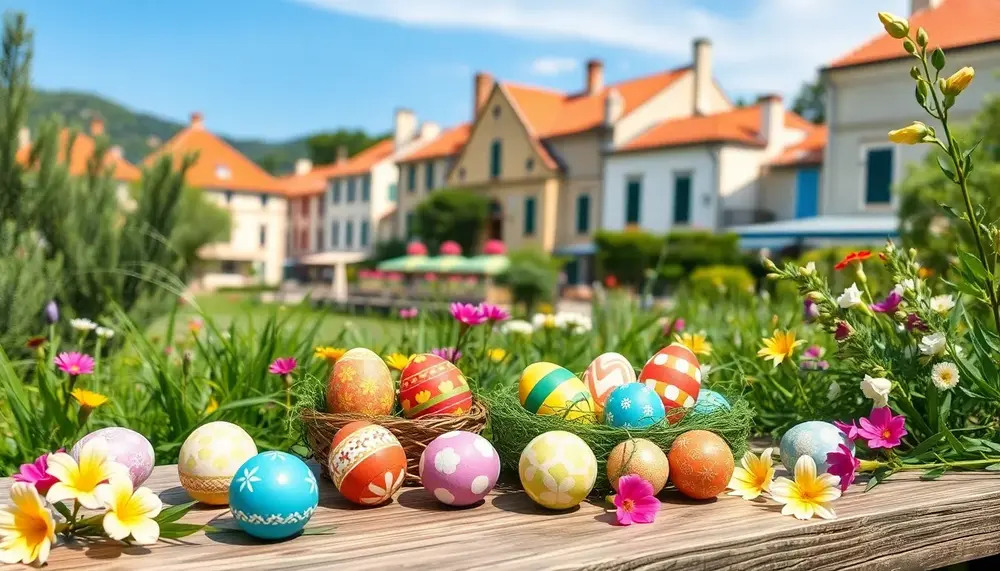
Symbolism of Easter Eggs Easter eggs, known as "Pisanice" or "Uskrsnja jaja" in Croatia, carry profound symbolic meaning during the Easter celebrations. They are not merely decorative items; rather, they represent new life, rebirth, and the resurrection of Jesus Christ.The significance of Easter eggs in Croatian culture can be understood through several key aspects:
- Symbol of Life: The egg is a universal symbol of fertility and new beginnings. In the context of Easter, it signifies the resurrection and the promise of eternal life, echoing the core message of the holiday.
- Decorative Art: The traditional practice of decorating eggs is an art form in itself. Many families engage in intricate designs using natural dyes derived from plants and vegetables, showcasing creativity and cultural heritage.
- Colors and Meanings: Different colors used in egg decoration hold various meanings. For example, red often symbolizes the blood of Christ, while other colors may represent hope, renewal, and joy. This color symbolism enriches the cultural significance of the eggs.
- Rituals and Customs: The act of exchanging or gifting decorated eggs is a common practice among families and friends. This exchange not only spreads joy but also strengthens social ties and community bonds.
- Games and Competitions: Eggs are often used in playful activities during Easter celebrations, such as egg tapping or rolling competitions. These games bring families together and create a festive atmosphere, reflecting the joyous spirit of the holiday.
In summary, Easter eggs in Croatia are rich in symbolism and tradition. They embody the essence of Easter, serving as a reminder of life, renewal, and the importance of family and community during this cherished holiday.
Easter Egg Decorating Traditions
Easter Egg Decorating Traditions The tradition of decorating Easter eggs in Croatia is a cherished practice that spans generations. This art form not only enhances the festive atmosphere of Easter but also serves as a means of expressing creativity and cultural identity.Here are some key elements of Easter egg decorating traditions in Croatia:
- Natural Dyes: Croatians often use natural materials to dye their eggs. Common sources include onion skins for a rich brown color, beet juice for red, and various herbs and plants to create vibrant hues. This practice emphasizes sustainability and connects families to nature.
- Intricate Designs: The decoration of eggs is often an elaborate process. Families may use techniques such as wax-resist (batik) or etching to create detailed patterns and images on the eggshells. These designs can range from simple geometric shapes to intricate floral motifs.
- Symbolic Colors: Each color used in the decoration of eggs carries its own symbolism. For example, red eggs symbolize the blood of Christ, while other colors may represent aspects of spring and renewal, enhancing the deeper meaning behind the decorations.
- Community Workshops: In many regions, community workshops are organized where families and children come together to learn and practice egg decorating techniques. These gatherings foster a sense of community and allow for the sharing of traditional knowledge.
- Presentation: Decorated eggs are often displayed prominently in homes during the Easter season. They may be arranged in decorative baskets or used as table centerpieces, showcasing the artistic efforts of families and adding to the festive ambiance.
The tradition of decorating Easter eggs in Croatia is not just about aesthetics; it reflects a deeper connection to cultural heritage, creativity, and the celebration of life and renewal during the Easter season. Each egg tells a story, making the practice a meaningful part of the holiday festivities.
Family Activities During Easter
Family Activities During Easter Easter in Croatia is not only a time for religious observance but also a wonderful opportunity for families to engage in fun and meaningful activities together. These activities help strengthen family bonds and create lasting memories.Here are some popular family activities that take place during Easter:
- Egg Decorating Parties: Families often gather to decorate Easter eggs together. This activity allows for creativity and personal expression, as each member can create their unique designs. Children especially enjoy this hands-on experience, fostering a sense of accomplishment.
- Outdoor Games: As spring arrives, many families take advantage of the warmer weather by organizing outdoor games. Activities such as egg rolling, where decorated eggs are rolled down hills, are not only fun but also a cherished tradition that brings everyone together.
- Cooking Together: Preparing traditional Easter meals can be a delightful family activity. Involving children in cooking, whether it's baking sweet pastries or preparing festive dishes, enhances their appreciation for culinary traditions and family recipes.
- Storytelling and Sharing Traditions: Families often spend time sharing stories about their Easter traditions and the significance behind them. This storytelling fosters a sense of heritage and helps younger generations understand the importance of these customs.
- Visiting Local Festivals: Many towns host Easter fairs and cultural events, providing families with an opportunity to enjoy local crafts, music, and food. Attending these festivals can be a great way to experience the community spirit and engage with local culture.
These family activities enrich the Easter experience in Croatia, blending fun, creativity, and tradition. They emphasize the importance of togetherness and the joy of celebrating this significant holiday as a family unit.
Children's Easter Traditions
Children's Easter Traditions Easter is a particularly exciting time for children in Croatia, filled with joy, creativity, and special traditions that engage their imagination. These customs not only create lasting memories but also help instill a sense of cultural identity and community spirit.Here are some notable children's Easter traditions in Croatia:
- Easter Bunny Visits: The Easter Bunny, or "Uskršnji Zeko," plays a significant role in the festivities. Children eagerly await the arrival of the Easter Bunny, who is said to bring sweets, chocolates, and small gifts, adding an element of surprise and excitement to the holiday.
- Baking Easter Treats: Children often participate in baking traditional Easter pastries, such as "maznice" (sweet bread) and "pinca." This activity allows them to learn family recipes while enjoying quality time with their parents and grandparents.
- Egg Decorating Workshops: Many communities organize workshops where children can learn the art of decorating Easter eggs. These events encourage creativity and allow kids to express themselves through colorful designs and patterns.
- Egg Hunts: In some families, Easter egg hunts are a popular activity. Children search for hidden eggs, which may be real or chocolate, creating a playful and competitive atmosphere that fosters excitement.
- Storytelling Sessions: Families often gather to share stories about Easter traditions and the significance of the holiday. This practice helps children understand the cultural and religious aspects of Easter while fostering a sense of belonging.
These traditions not only make Easter a joyous occasion for children but also help them connect with their heritage and family values. The involvement of kids in these activities enriches the overall celebration, making it a special time for families in Croatia.
The Role of the Easter Bunny
The Role of the Easter Bunny The Easter Bunny, known as "Uskršnji Zeko" in Croatia, plays a delightful and whimsical role in the country's Easter celebrations. This character, which has roots in various European folklore, has become a symbol of joy and festivity for children during the holiday.Here are some key aspects of the Easter Bunny's role in Croatian Easter traditions:
- Gift Giver: The Easter Bunny is believed to bring sweets, chocolates, and small gifts to children. This tradition adds an element of excitement and anticipation, as kids eagerly await their surprises on Easter morning.
- Connection to Nature: The association of the bunny with spring and new life aligns with the themes of renewal celebrated during Easter. Bunnies are known for their fertility, making them a fitting symbol for the season of rebirth.
- Creative Activities: Children often engage in activities related to the Easter Bunny, such as creating Easter baskets to collect treats. This hands-on involvement encourages creativity and enhances the festive spirit of the holiday.
- Storytelling and Folklore: The Easter Bunny is often featured in stories and folklore shared among families. These tales not only entertain but also educate children about the meaning of Easter and the traditions associated with it.
- Community Events: In some areas, local events may include appearances by the Easter Bunny, where children can take photos and interact with this beloved character. Such events foster community spirit and create joyful experiences for families.
The Easter Bunny enriches the Croatian Easter experience by bringing joy and excitement, especially for children. This whimsical figure not only enhances the festive atmosphere but also helps in passing down traditions and creating cherished memories for future generations.
Traditional Easter Foods
Traditional Easter Foods During Easter, Croatian families come together to enjoy a variety of traditional foods that reflect the rich culinary heritage of the country. The meals are often a blend of regional specialties and age-old recipes passed down through generations.Here are some of the key traditional Easter foods enjoyed in Croatia:
- Šunka: A staple on the Easter table, this is a smoked ham that is typically served cold. It is often accompanied by fresh bread and horseradish, symbolizing the end of the Lenten fast.
- Pinca: This sweet bread, sometimes flavored with citrus and topped with a cross, is a traditional Easter treat. Families often bake it together, making it a delightful part of the holiday celebrations.
- Eggs: Decorated and blessed Easter eggs are an essential part of the meal. They are often served alongside other dishes and symbolize new life and resurrection.
- Cheese: Various types of cheese, particularly fresh sheep's cheese, are commonly included in the Easter spread. This addition enhances the meal's flavor and offers a taste of local dairy products.
- Spring Vegetables: Seasonal vegetables such as radishes, chives, and greens are often served, reflecting the arrival of spring and the theme of renewal associated with Easter.
- Bakalar: While traditionally eaten on Good Friday, dried cod remains a popular dish during the Easter season, often prepared in a stew with potatoes and spices.
These traditional Easter foods not only provide nourishment but also serve as a means of bringing families together. Sharing these dishes during festive meals reinforces cultural bonds and creates a sense of continuity and belonging within Croatian communities.
Blessing of Easter Foods
Blessing of Easter Foods The blessing of Easter foods, known as "blagoslov hrane," is a cherished tradition in Croatia that takes place on Holy Saturday. This ritual emphasizes the importance of food in the celebration of Easter and reflects the deep spiritual connections within the Croatian culture.During this ceremony, families prepare a basket filled with a variety of traditional Easter foods, which often includes:
- Šunka: Smoked ham is a staple, symbolizing the end of the Lenten fast.
- Pinca: A sweet bread that is often braided and represents joy and festivity.
- Cheese and Eggs: These items symbolize abundance and new life, central themes during Easter.
- Horseradish: Often included to represent the bitterness of life and the joy of salvation.
Families typically take their baskets to the church for the blessing, where a priest performs a ritual that involves prayers and the sprinkling of holy water over the food. This act sanctifies the items, ensuring that they carry spiritual significance as they are shared during the Easter feast.
The blessed food is then returned home and enjoyed during the Easter Sunday meal, reinforcing the idea of gratitude and the importance of sharing with loved ones. This tradition not only highlights the religious aspect of Easter but also fosters family unity and community spirit, as many people participate in this meaningful practice together.
Ultimately, the blessing of Easter foods is a beautiful expression of faith and gratitude, making it a significant and joyful part of the Croatian Easter celebration.
Conclusion: The Essence of Easter in Croatia
Conclusion: The Essence of Easter in Croatia Easter in Croatia is a multifaceted celebration that embodies the country's rich cultural heritage and deep-rooted traditions. This festive season serves as a powerful reminder of the values of faith, family, and community, all intertwined in the celebration of life and renewal.The essence of Easter is reflected in various aspects:
- Spiritual Significance: The holiday is a profound expression of religious devotion, with each ritual and custom reinforcing the central message of resurrection and hope. It serves as a time for reflection and renewal of faith among the predominantly Roman Catholic population.
- Family Unity: Easter fosters strong family ties as loved ones come together to share meals, traditions, and joyful moments. This emphasis on family gatherings enhances the sense of belonging and support within communities.
- Cultural Heritage: The unique customs, such as egg decorating and the blessing of foods, highlight the cultural diversity found within Croatia. Each region contributes its own flavors and practices, enriching the overall Easter experience.
- Joyful Celebrations: The festive atmosphere, characterized by communal activities and children's excitement, showcases the lighter side of Easter. From the Easter Bunny to playful traditions, the holiday is infused with joy and laughter, making it particularly special for younger generations.
- Continuity of Traditions: As families pass down traditions from generation to generation, Easter becomes a living celebration of history and identity. These customs not only preserve cultural heritage but also adapt to modern contexts, ensuring their relevance in contemporary society.
Ultimately, Easter in Croatia is more than just a religious observance; it is a vibrant celebration of life, love, and togetherness. This holiday encapsulates the spirit of the Croatian people, making it a cherished time of year that resonates deeply within the hearts of all who partake in its festivities.
FAQ About Celebrating Easter in Croatia
What traditional foods are enjoyed during Easter in Croatia?
During Easter, Croatians typically enjoy dishes like smoked ham (šunka), sweet Easter bread (pinca), decorated eggs, and various cheeses. Seasonal vegetables and the traditional cod dish (bakalar) are also popular.
What are some key customs during Holy Week in Croatia?
Key customs include Palm Sunday processions with palm or olive branches, Good Friday observances with fasting and church services, and the blessing of Easter foods on Holy Saturday.
How do families celebrate Easter Sunday?
Families celebrate Easter Sunday with traditional meals, exchanging greetings like "Sretan Uskrs," and participating in joyful activities like egg rolling and family gatherings.
What role does the Easter Bunny play in Croatian traditions?
The Easter Bunny, known as "Uskršnji Zeko," brings sweets and small gifts to children, contributing to the festive spirit and excitement of the holiday.
What are some fun family activities during Easter in Croatia?
Families engage in activities like decorating Easter eggs, cooking traditional meals together, participating in egg hunts, and visiting local Easter fairs, enhancing the joyful atmosphere of the holiday.